South Africa's Zwane Hit With World Cup Suspension Ahead of South Korea Clash

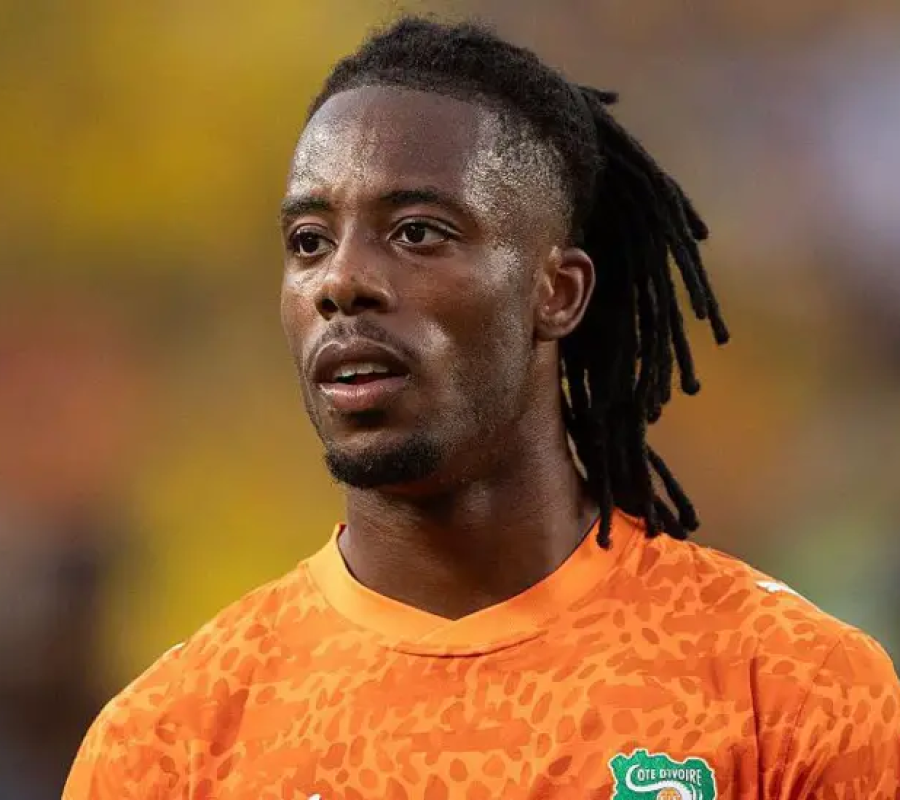
South Africa have been dealt a significant blow ahead of their FIFA World Cup 2026 meeting with South Korea after key player Zwane was handed a suspension following an incident in their opening fixture, a ruling the South African Football Association has vowed to challenge.
The suspension, confirmed on Wednesday, means Zwane will miss the crucial Group stage match against South Korea — a fixture that could prove decisive in determining whether Bafana Bafana progress to the knockout rounds of the expanded 48-team tournament.
SAFA Cites Messi Precedent in Planned Appeal
The South African Football Association (SAFA) has signalled its intention to appeal the ban, arguing that the punishment is disproportionate when compared to similar incidents in recent tournament history. In particular, SAFA officials have pointed to a foul committed by Lionel Messi against Algeria that went unpunished by FIFA’s disciplinary panel, contending that consistency in officiating and disciplinary standards should apply equally across all competing nations.
The comparison is a calculated one. By invoking the name of the sport’s most high-profile player, SAFA is drawing attention to what it perceives as an inconsistency in how FIFA applies its disciplinary code — a complaint that has echoed through World Cup corridors for decades.
Impact on South Korea Preparation
The timing of the suspension could hardly be worse for South Africa. The South Korea match represents a pivotal juncture in their World Cup campaign, and the absence of Zwane deprives the squad of a player who has been central to their tactical setup throughout the qualifying campaign and into the tournament itself.
Head coach Hugo Broos will now need to reconfigure his plans for the South Korea fixture, with limited time to integrate a replacement into the starting lineup. The Belgian-born manager, who has built his reputation on tactical discipline and squad cohesion, faces one of the more significant selection headaches of his tenure.
South Korea, meanwhile, will enter the match buoyed by the knowledge that they will face a weakened opponent. The Asian side have been in strong form leading into the tournament and will view this as an opportunity to seize the initiative in what is shaping up to be a tightly balanced group.
Disciplinary Controversy Adds to Tournament Drama
The suspension adds another layer of intrigue to a World Cup that has already delivered its share of talking points both on and off the pitch. The expanded format — featuring 48 teams for the first time — has raised the stakes in every group-stage encounter, making the loss of even a single player to suspension or injury feel magnified.
Whether SAFA’s appeal succeeds remains to be seen. FIFA’s disciplinary process has historically been resistant to precedent-based arguments, tending to evaluate each case on its own merits rather than drawing comparisons across different matches. But the public nature of South Africa’s protest — and the willingness to name Messi in their reasoning — suggests the federation is preparing for a fight that extends beyond the courtroom and into the court of public opinion.
The result of the appeal could have implications not just for this tournament but for how disciplinary matters are handled in future World Cups, as the governing body grapples with the challenge of maintaining consistent standards across an event that now spans more teams, more matches and more scrutiny than ever before.
Image Source: GHANAMMA