World Bank Approves $300 Million to End Double-Track System in Ghana's Senior High Schools
The World Bank has approved a $300 million financing package to help Ghana dismantle the double-track system in its senior high schools, a stopgap arrangement that has strained classrooms and disrupted learning since the rapid expansion of free secondary education.
The project, formally named the Transformative Secondary Education for Access, Results and Relevance for Jobs programme — or STARR-J — aims to eliminate the double-track arrangement entirely by 2027, ensuring no secondary school in the country operates under the system.
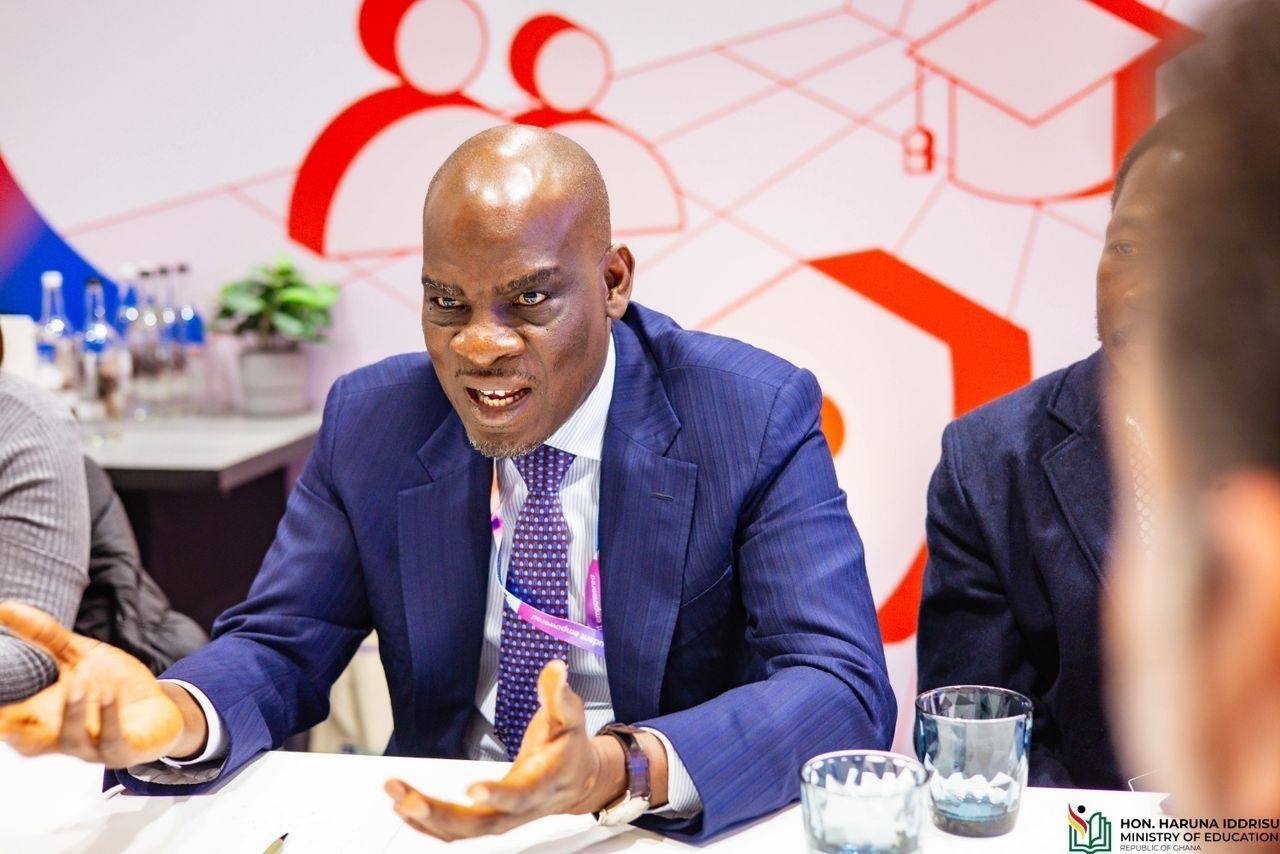
Education Minister Haruna Iddrisu described the funding as “a major investment in Ghana’s growing youthful population and a strategic contribution to the country’s long-term human capital development and global competitiveness.”
The double-track system was introduced as a temporary measure to accommodate surging enrolment after the government rolled out its flagship Free Senior High School policy. While the policy succeeded in widening access, it overwhelmed existing infrastructure, forcing schools to rotate students through alternating schedules that reduced contact hours and stretched teaching resources.
STARR-J will channel funds into three broad areas: building and upgrading educational infrastructure such as classrooms, laboratories and sanitation facilities; improving teaching and learning environments through teacher training, learning materials and ICT integration; and strengthening the administrative efficiency of the education system through better data management and monitoring.
The project is expected to be rolled out in phases, with priority given to regions and schools facing the most acute infrastructure deficits. The Ministry of Finance, led by Dr Cassiel Ato Forson, played a key role in securing the financing, with World Bank Country Director Robert Taliercio O’Brien credited for his institution’s sustained partnership.
Beyond ending the double-track system, the programme seeks to align Ghana’s secondary education curriculum more closely with labour market demands — a critical objective as the country works to convert its youthful demographics into economic productivity.
The approval comes at a time when the government is under pressure to demonstrate that the free education policy can deliver quality alongside access. By targeting the infrastructure gaps that undermined the programme’s early years, the World Bank financing offers a path toward restoring confidence in Ghana’s public secondary education system.
Image Source: STARR FM