Sissala East MP Shares Inspiring Story of Being First in Family to Receive Formal Education
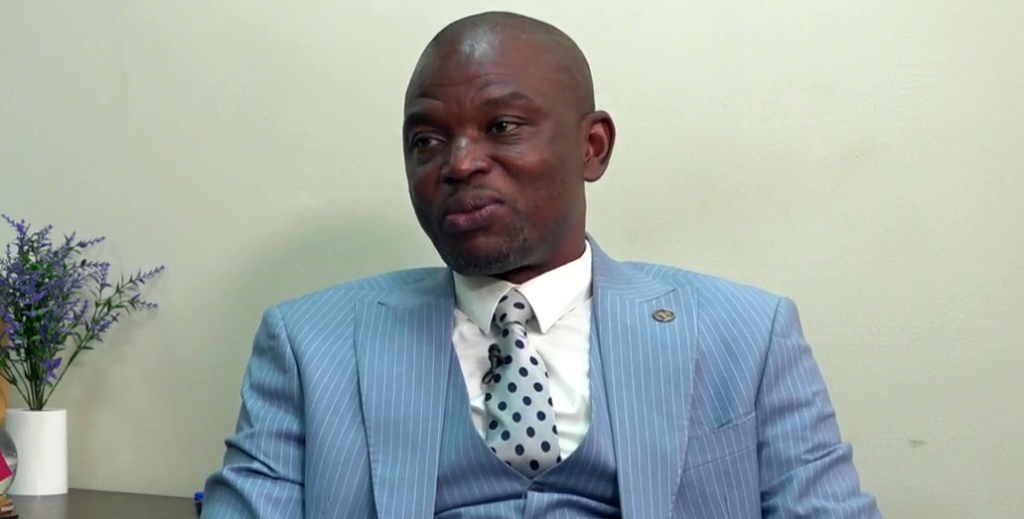
Mohammed Issah Bataglia, the Member of Parliament for Sissala East, has offered a rare and deeply personal account of how he became the first person in his entire family to receive formal education, crediting his mother’s relentless sacrifice and unwavering determination for making it possible.
Speaking publicly about his journey, Bataglia described a childhood shaped by poverty and a father who believed that farming offered a more dependable livelihood than schooling. It was his mother who defied that conventional wisdom, rising before dawn on countless mornings to gather shea nuts from the bush, process them into shea butter, and sell the product to raise the 35,000 old Ghana cedis needed for his Basic Education Certificate Examination fees.
“I am the first generation of my family to receive formal education. Today, I am the only educated person in the family,” Bataglia told his audience, a statement that underscores both the magnitude of his personal achievement and the persistent barriers to education that remain in rural Ghana.
The MP was candid about the cultural and economic forces aligned against schooling in his community. In polygamous households where labour was essential for survival, sending a child to school represented not just lost income but a gamble on an uncertain future. His father’s preference for agricultural work over formal learning reflected a calculation familiar to families across the Upper West Region and other rural parts of the country, where education is still perceived by many as a luxury rather than a necessity.
What altered the trajectory, Bataglia said, was his mother’s refusal to accept that calculation. Beyond the financial commitment of selling shea butter, she monitored his school attendance with an intensity that left no room for truancy. “Anytime I was not in school, she was uncomfortable and did everything possible to keep me there,” he recalled.
The story resonates against a backdrop of systemic challenges in Ghana’s education sector. The country faces a shortfall of between 50,000 and 90,000 teachers across its education system, yet the government has budgetary clearance to recruit only 7,000 this year. Meanwhile, UNICEF has warned that Ghana spends far too little on its youngest children, with those aged zero to five receiving just 13 percent of public spending on children despite accounting for roughly one-third of the child population.
Bataglia’s personal journey illustrates the human dimension behind those statistics. In communities like those in Sissala East, where infrastructure is sparse and families struggle to meet basic needs, the decision to invest in a child’s education can be transformative, not just for the individual but for generations that follow.
The MP said he now financially supports the education of his own children, his siblings’ children, and several members of his extended family, an effort he described as his way of replicating the opportunity his mother gave him. “I hope my story will inspire young people, particularly those from disadvantaged and rural communities, to remain committed to their education despite the challenges they may face,” he said.
His advocacy carries particular weight at a time when policymakers are grappling with questions about how to expand access to quality education in underserved areas. Bataglia’s testimony is a reminder that behind every macro-level policy debate about teacher recruitment, funding allocations, and infrastructure gaps, there are individual families making agonising choices about whether to send their children to school.
For the Sissala East MP, the answer to that question changed everything. It turned a boy from a farming household into a legislator, and it set in motion a family transformation that continues to unfold across multiple generations.
Image Source: MYJOYONLINE