Ghana Launches Diplomatic Challenge Against Canada Over Partey Visa Refusal
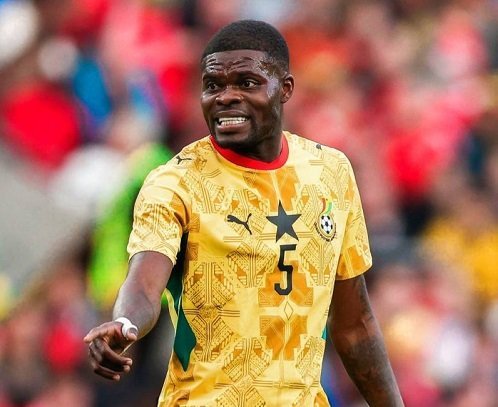
Ghana has escalated its dispute with Canada over the refusal of an entry visa to Black Stars midfielder Thomas Partey, with the ministries of Sports and Recreation and Foreign Affairs mounting a coordinated diplomatic push to have the decision reversed before the national team’s World Cup opener against Panama in Toronto.
The Canadian authorities denied the Villarreal midfielder an entry visa, citing an ongoing criminal investigation. Partey faces seven counts of rape and one count of sexual assault brought by London Metropolitan Police. He has pleaded not guilty and is currently on bail pending trial.
Sports Minister Kofi Iddi Adams described the refusal as “flimsy,” arguing that the charges alone should not be grounds for exclusion. “The person has already been charged; he has not been found guilty,” Mr Adams said, framing the visa denial as contrary to the presumption of innocence.
The Ministry of Foreign Affairs sent an official note of protest to Global Affairs Canada on June 11, characterising the decision as one that “frowns on international laws and conventions, which both Ghana and Canada are party to.” Foreign Minister Samuel Okudzeto Ablakwa has been in direct contact with Canadian officials, including High Commissioner Myriam Montrat, and the government has indicated it is prepared to pursue judicial review before the Federal Court of Canada if diplomatic channels fail to produce a reversal.
“Government notes Mr Partey’s selection for the upcoming FIFA World Cup and the significant national and global sporting considerations at stake, and therefore urges Canada to rescind its decision in the interest of fairness and cardinal principles of common law,” the ministry said in a statement.
FIFA has declined to intervene, saying that immigration decisions rest with host governments. The world governing body’s position leaves the matter squarely in the realm of bilateral diplomacy and Canadian domestic law.
The timing places the dispute at the centre of Ghana’s World Cup campaign. The Black Stars arrived in the United States to a warm reception in Rhode Island, where a flag-raising ceremony in Providence formally marked the team’s presence for the tournament. That sense of anticipation now sits uneasily alongside the uncertainty over whether one of the squad’s most experienced players will be available for the opening match.
Partey does hold a valid US visa, meaning he remains eligible for Ghana’s subsequent group matches against England on June 23 in Boston and Croatia on June 27 in Philadelphia, regardless of the Canadian outcome. His bail conditions require him to inform the court of any travel abroad and prohibit contact with the alleged victims — terms that do not, on their face, prevent him from leaving the United Kingdom.
The diplomatic confrontation raises broader questions about the intersection of criminal proceedings and international sporting obligations. Canada’s position appears to rest on immigration provisions that allow officials to deny entry to individuals facing serious criminal charges, even where those charges have not yet been adjudicated. Ghana’s counter-argument draws on principles of presumption of innocence and international sporting conventions that guarantee athlete mobility during major tournaments.
With the Panama match fast approaching, the window for a resolution is narrow. Whether the diplomatic push yields results may depend on whether Canadian authorities are willing to treat the visa application on its merits or defer to the immigration framework that produced the initial refusal.
Image Source: GHANAIAN TIMES