GHS to Roll Out Nationwide Drug Campaign Against 3 Neglected Diseases
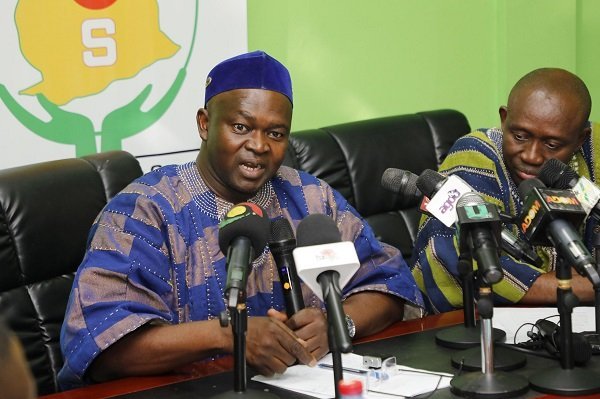
The Ghana Health Service is set to launch one of its most ambitious public health exercises in recent years, a nationwide mass drug administration campaign targeting three neglected tropical diseases that continue to afflict communities across the country.
Running from June 20 to July 3, 2026, the campaign aims to reach nearly eight million eligible people with preventive medications for onchocerciasis, commonly known as river blindness, lymphatic filariasis, or elephantiasis, and schistosomiasis, also called bilharzia. The exercise will cover 86 endemic districts across 15 regions for onchocerciasis alone, with additional targeted interventions in 266,000 people across two elephantiasis-endemic districts and community deworming in 13 districts spanning eight regions for schistosomiasis.
Dr Samuel Kaba Akoriyea, Director-General of the GHS, urged communities to embrace the campaign. “MDA is one of the most effective tools for controlling and eliminating NTDs. These medicines are recommended by the World Health Organisation and are safe, effective, and vital in protecting families from river blindness, elephantiasis, and bilharzia,” he said.
The campaign forms part of Ghana’s broader strategy to eliminate neglected tropical diseases as a public health threat by 2030, a target that the country has been making steady progress towards. Lymphatic filariasis transmission has already been interrupted in 114 of 117 endemic districts, with only three remaining. The number of onchocerciasis-endemic districts has also declined significantly over recent years.
Ghana’s track record on tropical disease elimination is notable. The country was certified free of Guinea worm disease in 2015, eliminated trachoma as a public health problem in 2018, and achieved the same milestone for human African trypanosomiasis, or sleeping sickness, in 2023.
“Human African trypanosomiasis, also known as sleeping sickness, was eliminated as a public health problem in 2023. We are on course and hope to achieve our targets by 2030,” said Dr Joseph Larbi Opare, the NTD Programme Manager at the GHS.
However, the campaign faces a significant structural challenge. Solomon Ananya, NTD Project Manager for World Vision Ghana, warned that declining donor support threatens the sustainability of these mass drug administration exercises. As international funding priorities shift, Ghana may need to shoulder a greater share of the financial burden for disease elimination programmes that have historically relied on external partners.
The health authorities have urged all eligible persons in targeted communities to participate, with the exception of children under five, pregnant women, and individuals who have experienced severe reactions to previous MDA medications. Community drug distributors will be stationed at local health posts throughout the campaign period.
The stakes are considerable. Neglected tropical diseases disproportionately affect the poorest and most rural communities, perpetuating cycles of poverty and disability. River blindness alone has left thousands of Ghanaians with impaired vision or total blindness, while elephantiasis causes severe swelling of the limbs that can render sufferers unable to work. Schistosomiasis, contracted through contaminated water, affects the urinary and intestinal systems and is particularly common in farming and fishing communities.
If the campaign succeeds in reaching its eight-million-person target, Ghana will move significantly closer to its 2030 elimination goals and cement its position as a continental leader in tropical disease control.
Image Source: GHANAIAN TIMES