Ghana Fiscal Reports 2025: Ato Forson Lays 4 Critical Documents Before Parliament in Bold Transparency Push
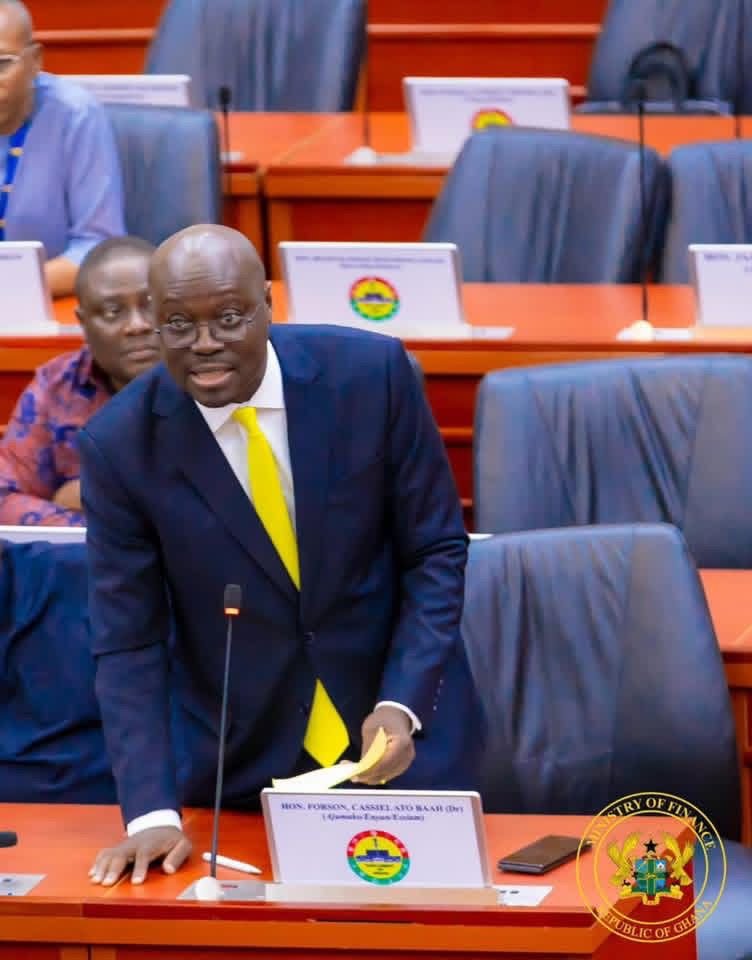
Ghana fiscal reports for 2025 took center stage in Parliament on Monday as Finance Minister Dr. Cassiel Ato Forson laid four major statutory reports before the House, delivering critical updates on the nation’s energy sector finances, petroleum revenues, public debt management, and public-private partnership projects.
The presentation of these Ghana fiscal reports underscores the government’s stated commitment to transparency, accountability, and prudent economic management at a time when the country continues to navigate complex financial challenges inherited from years of fiscal strain.
What the 4 Ghana Fiscal Reports for 2025 Reveal About National Accounts
The four documents presented to Parliament cover distinct but interconnected areas of Ghana’s financial management landscape, each providing lawmakers and the public with a detailed accounting of how public resources were administered during the 2025 financial year.
The first report — the Annual Report on the Management of the Energy Sector Levies and Accounts for the Year 2025 — details the administration and utilisation of energy sector levy proceeds. Energy sector levies have long been a contentious issue in Ghana’s fiscal architecture, serving as a critical revenue stream for servicing energy sector debts and funding power generation. This report provides a comprehensive breakdown of how those funds were collected, allocated, and spent throughout 2025.
The second document, the Reconciliation Report on the Petroleum Holding Fund (PHF) for the Year 2025, offers a comprehensive account of petroleum receipts, transfers, and balances in line with the Petroleum Revenue Management Act. The PHF is the central repository for all petroleum revenues earned by the state, and its reconciliation is essential for ensuring that Ghana’s oil wealth is managed transparently and in accordance with the law.
Ato Forson’s Ghana Fiscal Reports: Public Debt and PPP Projects Under the Spotlight
The third report — the Annual Public Debt Management Report for the 2025 Financial Year — may be the most closely scrutinized of the four. It outlines developments in Ghana’s debt portfolio, financing operations, and debt sustainability measures undertaken by the government. Ghana’s public debt has been a source of significant concern in recent years, with the country completing a domestic debt exchange programme and securing a $3 billion International Monetary Fund programme to restore macroeconomic stability.
The debt report is expected to shed light on whether Ghana’s debt trajectory is on a sustainable path, and whether the fiscal consolidation measures implemented under the current administration are yielding measurable results. The presentation of these Ghana fiscal reports to Parliament is a statutory requirement designed to ensure that the legislature can exercise effective oversight over the executive’s management of public finances.
The fourth and final document — the Annual Report on Public-Private Partnership (PPP) Projects for the Year 2025 — highlights the status and implementation of PPP initiatives across various sectors of the economy. Public-private partnerships have become an increasingly important mechanism for delivering infrastructure and public services in Ghana, and this report provides Parliament with visibility into how these arrangements are performing.
Why These Ghana Fiscal Reports for 2025 Matter for Parliamentary Oversight
The presentation of all four statutory reports in a single parliamentary session is significant. It signals the government’s intention to demonstrate proactive fiscal discipline and provide lawmakers with the information they need to hold the executive accountable for the management of national resources.
According to the International Monetary Fund’s country page for Ghana, the Fund’s extended credit facility programme with Ghana places significant emphasis on fiscal transparency and the strengthening of public financial management systems. The timely presentation of these statutory reports is a positive indicator of the government’s compliance with programme requirements.
Fiscal analysts have noted that the quality and timeliness of statutory reporting can serve as a proxy for the broader health of a country’s public financial management framework. When governments routinely delay or avoid presenting these reports, it can signal deeper governance challenges.
Ghana Fiscal Reports 2025: What Comes Next for Economic Accountability
The laying of these reports before Parliament is only the first step. The real test of their value will come during the committee stage, when Members of Parliament will have the opportunity to scrutinize the reports in detail, question officials, and make recommendations for improved fiscal management.
The World Bank’s overview of Ghana’s economy has consistently emphasized the importance of strong parliamentary oversight in ensuring that public resources are used effectively and that fiscal policies remain aligned with the country’s development objectives.
For Finance Minister Ato Forson, the presentation of these Ghana fiscal reports represents both an accountability exercise and a political opportunity. By demonstrating transparency in the management of energy sector finances, petroleum revenues, public debt, and PPP projects, the government can build credibility with both domestic and international stakeholders.
The opposition, however, is likely to use the reports as a basis for scrutiny, particularly on questions of debt sustainability and the effective utilisation of petroleum revenues. The coming weeks will reveal whether the substance of these four reports supports the government’s narrative of fiscal prudence — or whether opposition lawmakers will find grounds for more pointed criticism.
What is beyond dispute is that the regular production and parliamentary scrutiny of Ghana fiscal reports remains a cornerstone of democratic accountability. The four reports laid before Parliament on Monday represent the machinery of governance functioning as it should — with transparency, statutory compliance, and parliamentary oversight at their core.
Source: MyJoyOnline