Herbert Mensah Demands Powerful Africa Sports Development Overhaul: 4 Critical Systems That Must Change
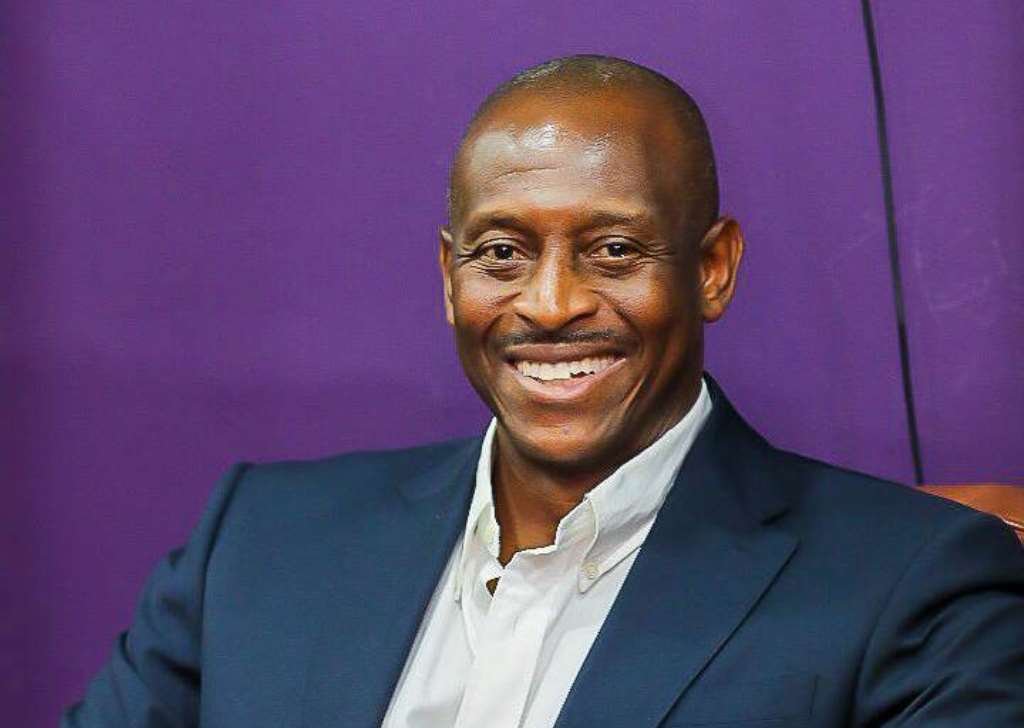
Africa sports development must move beyond symbolic declarations and embrace measurable outcomes if the continent is to achieve sustainable growth in athletics and broader development, according to Herbert Mensah, President of Rugby Africa and Chairman of World Rugby’s Regions. His call to action came in a statement issued to mark Africa Day under the theme “63 Years of Unity, Integration and Development.”
Mensah’s message cuts to the heart of a persistent challenge facing African nations: the gap between aspirational rhetoric and the disciplined systems required to produce consistent sporting excellence. Drawing from his extensive experience in rugby and football administration, the former football executive argued that uneven investment, weak structures, and inadequate infrastructure continue to limit the continent’s ability to achieve shared growth and competitive success on the global stage.
Why Africa Sports Development Requires Disciplined Leadership and Strong Structures
According to Herbert Mensah, Africa sports development is fundamentally a governance challenge. “Sport does not develop by chance. It develops when leadership is disciplined, structures are built properly, and investment is directed where it matters most,” he stated. This perspective reframes the conversation about African sporting performance from one focused on talent alone to one that recognizes the critical importance of systems and institutions.
“The reality is simple: winning off the field matters just as much as winning on it,” Mensah noted. “When those foundations are weak, success becomes episodic rather than sustainable.” This observation resonates across the continent, where national teams occasionally produce brilliant performances but struggle to maintain consistency over multiple competition cycles.
The Rugby Africa president stressed that success in sports is determined not only by performances on the field but by the quality of systems operating behind the scenes, including governance, planning, coaching structures, player welfare, and long-term investment. His warning that pressure for immediate results often leads to poor decision-making and weak long-term planning speaks to a pattern familiar across many African sports federations.
How Integration Can Transform Africa Sports Development Across Borders
Mensah highlighted the importance of integration across African sports systems, arguing that geography, language barriers, and outdated selection models continue to restrict talent development across the continent. According to him, stronger regional cooperation can help create coordinated development pathways, improve competition structures, and expand opportunities for athletes beyond national boundaries.
He cited South Africa as a powerful example of how inclusive systems can strengthen sporting excellence. “As four-time Rugby World Cup champions, South Africa has shown how rugby can be both excellent and inclusive,” he stated. “That integration widened the talent base, strengthened credibility, and ultimately made the sport more competitive.” This model offers lessons for other African nations seeking to improve their competitive standing in various sports disciplines.
The financial irregularities exposed during the African Games underscore the urgent need for the kind of disciplined governance structures Mensah advocates. Without accountability and transparency in how sports funding is managed, the continent’s athletic potential will remain largely unrealized.
Why Africa Sports Development Must Reject One-Size-Fits-All Models
Herbert Mensah cautioned against development models imposed without regard for Africa’s unique realities, stressing that African countries face different economic, logistical, and infrastructural challenges that require tailored solutions. “A one-size-fits-all development model cannot work,” he said. “Africa understands its own realities best.”
This call for contextual approaches to Africa sports development acknowledges that what works in Europe or North America may not translate directly to African conditions. Factors such as limited funding, vast geographic distances between training facilities, and varying levels of government support all demand creative, locally adapted solutions rather than imported templates.
Mensah argued that inclusion should not be treated merely as a social objective but as a key driver of performance and growth. When talent pools are widened through inclusive selection and development practices, the overall quality of competition rises, benefiting the entire sporting ecosystem.
How Youth Investment Will Shape Africa Sports Development for Decades
The Rugby Africa President underscored the strategic importance of investing in Africa’s youth population, describing it as central to the future of global sport. Citing United Nations data indicating that Africa has the world’s youngest population with a median age of about 19 years, he said sports organizations must invest heavily in schools, academies, and youth development systems if they hope to remain relevant.
“Rugby is competing for attention, participation, and relevance,” Mensah said. “If investment is directed into youth systems, school programmes, academies, and accessible pathways, Africa will become central to the future growth of the game.” This demographic dividend represents both an opportunity and a responsibility for African sports administrators.
Mensah urged African leaders and sporting institutions to move beyond rhetoric and focus on measurable impact. “It is no longer enough to speak about development in abstract terms,” he said. “Investment must translate into stronger coaching systems, better competitions, safer player welfare structures, and visible pathways for young athletes.” The full statement from Herbert Mensah provides further detail on his vision for continental sports reform.
Herbert Mensah’s Africa Day message represents a clear-eyed assessment of where African sports stands and what must change. His emphasis on systems over sentiment, accountability over aspiration, and youth investment over short-term fixes offers a practical roadmap for the continent’s sporting future. Whether African nations heed his call will determine whether the next generation of athletes can compete consistently on the world stage.
Source: MyJoyOnline