Ghana Radiologists Galamsey Kidney Disease Warning Exposes 4 Million at Risk in Public Health Catastrophe
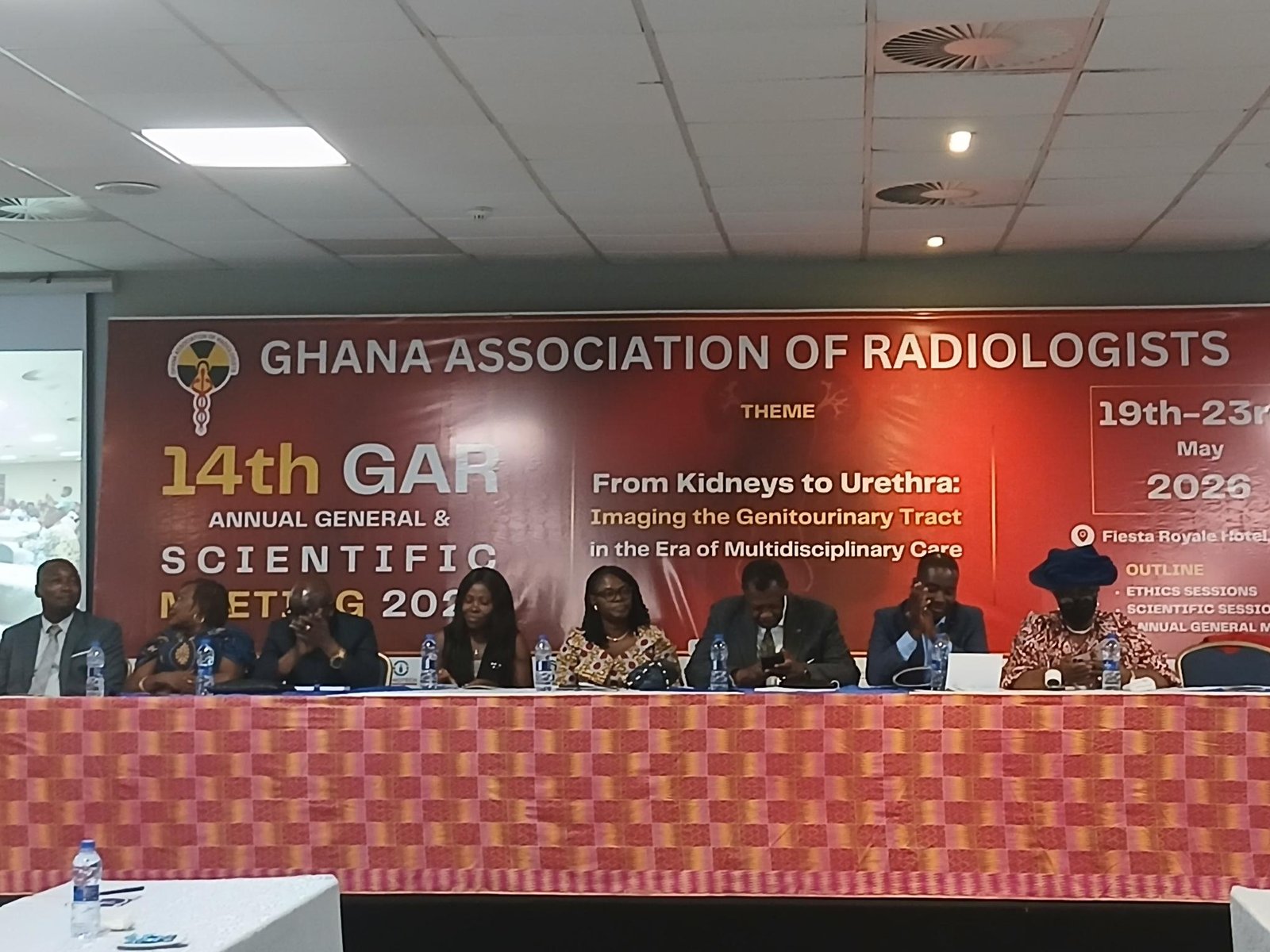
The Ghana radiologists galamsey kidney disease warning has intensified calls for urgent government intervention, as the Ghana Association of Radiologists (GAR) declared at its annual conference that illegal mining activities are fueling a public health catastrophe that threatens to overwhelm the nation’s healthcare system.
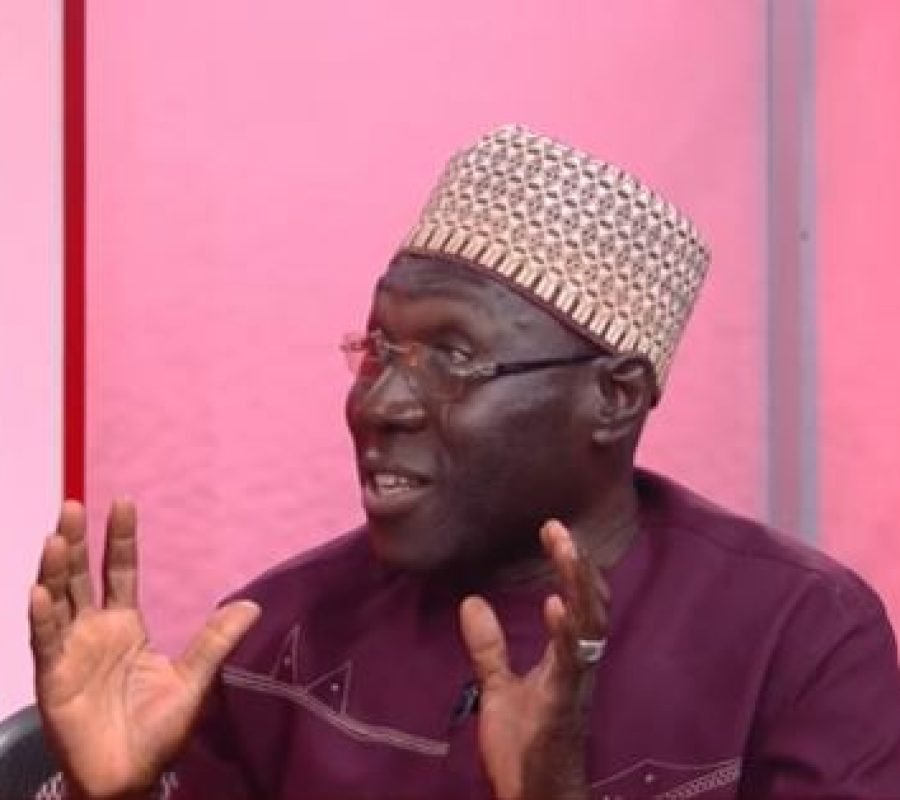
Speaking at the opening of the 14th Annual General and Scientific Meeting (AGSM) of the GAR in Accra, Dr. Francis Ofei, President of the Association, delivered a stark assessment of the toll that illegal artisanal mining — known locally as galamsey — is exacting on the health of ordinary Ghanaians. The chemicals used in illegal mining operations, he warned, are contaminating the very water sources — a crisis with parallels to the devastating lead exposure affecting Ghana’s battery and paint workers that millions of people depend on for drinking, cooking, and agriculture, creating a slow-motion disaster that is only now becoming visible in hospital wards and dialysis centers across the country.
Ghana Radiologists Galamsey Kidney Disease Warning Is Rooted in Alarming Data
The Ghana radiologists galamsey kidney disease warning draws its urgency from a growing body of medical evidence. A recent Ghana News Agency report, cited by Dr. Mensah Amoah, a Physician Specialist and Nephrology Fellow, indicated that approximately 13 percent of the adult population — an estimated four million people — are living with chronic kidney disease in Ghana.
Perhaps even more troubling than the overall prevalence is the age profile of those affected. Many of the patients diagnosed with chronic kidney disease fall within the 20 to 50 age bracket, which represents the country’s most economically productive demographic. When working-age adults develop kidney disease, the consequences extend far beyond the individual patient, affecting families, employers, and the broader economy.
“Permit me to underscore the devastating contribution of illegal artisanal mining, popularly known as galamsey, to the rising tide of kidney disease in our country,” Dr. Ofei told the assembled radiologists, nephrologists, urologists, and other healthcare professionals. “The indiscriminate use of mercury and cyanide in artisanal gold mining operations has resulted in catastrophic contamination of our water bodies, and by extension, the water that millions of Ghanaians depend on.”
“This situation is not merely an environmental issue. It is a public health catastrophe,” he added, underscoring the urgency that has driven the GAR to speak out more forcefully on a topic that many medical associations have been reluctant to address directly.
How Galamsey Poisons Water and Drives Kidney Disease in Ghana
The mechanism by which galamsey contributes to kidney disease in Ghana is well understood by medical scientists, even if the broader public remains largely unaware of the danger. Mercury and cyanide, the two chemicals most commonly used in illegal gold mining, are heavy metals and toxic compounds that enter the human body primarily through contaminated water and food.
The kidneys, which function as the body’s filtration system, bear a disproportionate burden when exposed to these substances. Under normal conditions, the kidneys filter waste products from the blood and excrete them through urine. But when the blood is regularly contaminated with heavy metals like mercury, the delicate filtering structures within the kidneys — known as nephrons — sustain cumulative damage.
“With repeated exposure, the kidneys give up eventually,” Dr. Ofei explained in terms that were deliberately accessible, designed to reach not just the medical professionals in the room but also the policymakers and members of the public who would encounter his words through news reports and social media.
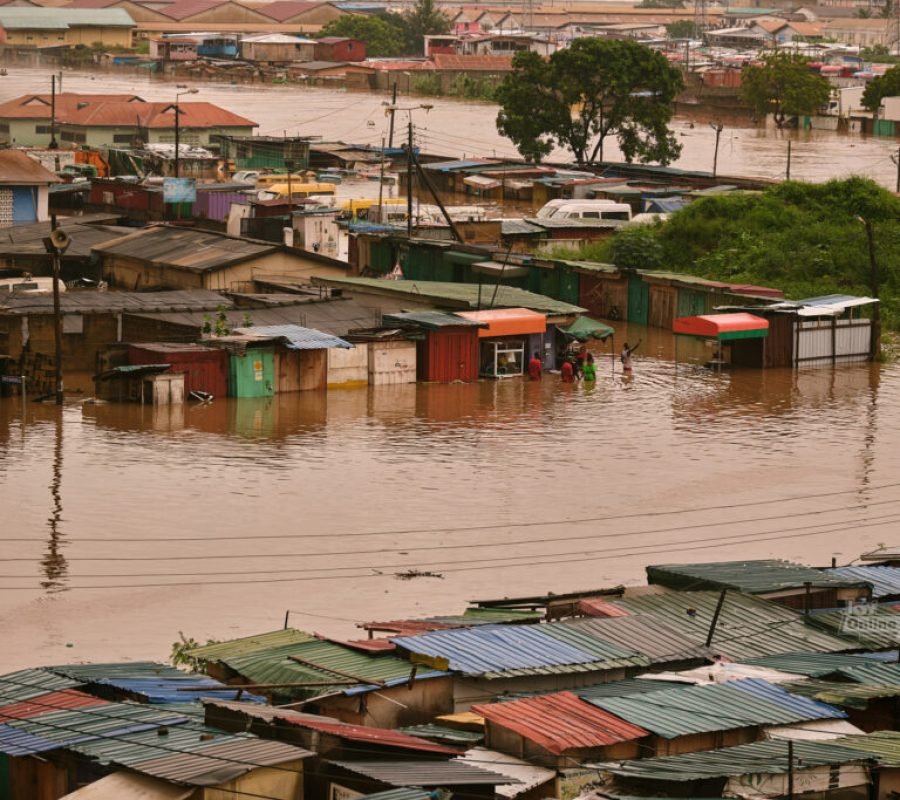
The rivers most severely affected by galamsey pollution include the Pra, Birim, Ankobra, and Offin — waterways that serve as the primary source of drinking water for communities across several regions. In many rural and peri-urban areas, there is no alternative water supply, meaning that communities have no choice but to consume water that may contain dangerous levels of mercury, cyanide, and other toxic substances.
This reality transforms the Ghana radiologists galamsey kidney disease issue from an abstract public health concern into a daily existential threat for millions of Ghanaians. The contamination is not episodic or localized; it is systemic and ongoing, with new mining operations establishing themselves along riverbanks and in forest areas faster than enforcement agencies can shut them down.
Early Diagnosis of Kidney Disease Remains a Critical Challenge
One of the most insidious aspects of kidney disease, as Dr. Ofei emphasized at the GAR conference, is its silent progression. Many patients do not experience symptoms until the disease has reached advanced stages, at which point treatment options are far more limited and far more expensive.
“You do check-ups not because you have issues per se. It becomes routine,” Dr. Ofei advised the public, urging Ghanaians not to wait for symptoms before seeking medical evaluation. Regular screening, including simple blood tests and urine analyses, can detect early signs of kidney damage before irreversible harm occurs.
However, early diagnosis faces significant structural barriers in Ghana. Access to diagnostic services varies enormously between urban and rural areas. While major hospitals in Accra, Kumasi, and other cities are equipped with modern imaging technology, many district hospitals and health centers lack even basic ultrasound machines. This diagnostic gap means that kidney disease often goes undetected until patients present with severe symptoms at tertiary facilities that are already overwhelmed with cases.
Dr. Ofei called for greater investment in diagnostic imaging equipment, including ultrasound machines, CT scans, and Magnetic Resonance Imaging (MRI) machines. He explained that ultrasound is typically the first and most accessible imaging tool used in diagnosing kidney and urinary tract diseases, making it an essential component of any strategy to improve early detection rates.
Radiologists Demand Multidisciplinary Approach to Galamsey-Related Kidney Disease
The Ghana radiologists galamsey kidney disease discussion at the GAR conference extended beyond diagnosis to encompass the broader challenge of patient care. Dr. Ofei argued forcefully for a shift away from the traditional “silo” approach to healthcare delivery, in which clinicians, radiologists, nephrologists, and urologists operate independently, toward a more collaborative, multidisciplinary model.
“We have realised that most of the time, healthcare delivery is done in silos. The clinician is doing their own thing, the radiologist is also doing their own thing. I think that it is time for us to now resort to what we call a multidisciplinary approach when it comes to healthcare,” he said.
The conference theme — “From Kidneys to Urethra: Imaging the Genitourinary System in the Era of Multidisciplinary Care” — reflected this emphasis on collaboration. By bringing together specialists from multiple disciplines, the GAR sought to promote the kind of integrated care that is increasingly recognized as the gold standard in the management of complex diseases like chronic kidney disease.
Dr. Ofei also highlighted the expanding role of radiologists in modern healthcare. “Gone are the days when the radiologist wrote a report and figuratively handed it over a wall,” he said. “Today, radiologists sit at the table.” This evolution means that radiologists are now involved not just in diagnosis but also in guiding biopsies, draining fluid collections, and supporting cancer treatment procedures — roles that require close collaboration with other specialists.
What Must Happen to Address the Ghana Radiologists Galamsey Kidney Disease Crisis
The Ghana radiologists galamsey kidney disease crisis demands action on multiple fronts. At the most fundamental level, the government must intensify enforcement against illegal mining operations, not merely through periodic military-led operations that generate headlines but through sustained, systemic measures that address the economic incentives driving galamsey in the first place.
Environmental remediation of contaminated water bodies is equally critical. Even if all illegal mining operations were halted tomorrow, the mercury and cyanide already deposited in river sediments would continue to leach into the water supply for years, if not decades. Investment in water treatment infrastructure, particularly in affected communities, is urgently needed to reduce ongoing exposure.
On the healthcare side, the recommendations from the GAR conference — increased investment in diagnostic equipment, greater emphasis on preventive screening, and the adoption of multidisciplinary care models — must be translated into concrete budget allocations and policy commitments. Kidney disease treatment is expensive, and the cost of dialysis alone places an enormous burden on patients and the national health insurance system. Investing in prevention and early detection is not only the right thing to do medically; it is also far more cost-effective than treating end-stage kidney disease.
The international community also has a role to play. Organizations like the World Health Organization, which has identified kidney disease as a growing global health priority, can provide technical assistance and funding to support Ghana’s response. Bilateral partners and international development agencies should also consider the environmental health impacts of illegal mining when designing their programs in Ghana and other West African nations.
For the radiologists who gathered in Accra, the conference was both a scientific meeting and a moral reckoning. The data they presented — four million Ghanaians living with chronic kidney disease, rivers contaminated with mercury and cyanide, communities with no access to diagnostic services — paints a picture of a nation in the grip of a preventable health crisis. Whether the government heeds their call for action will determine how many more Ghanaians join the ranks of those whose kidneys have been silently destroyed by the pursuit of gold.
Source: Ghana Business News / GNA