Africa Unity Integration Gyakye Quayson Demands 4 Bold Steps as Ghana Marks 63rd AU Day With Powerful Call to Action
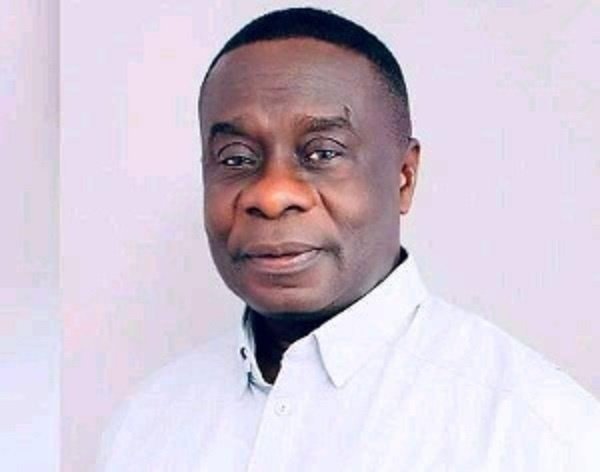
Africa unity integration Gyakye Quayson emerged as the central theme of Ghana’s commemoration of the 63rd anniversary of African Union Day, as Deputy Minister of Foreign Affairs James Gyakye Quayson delivered a powerful call for deeper continental cooperation to address the continent’s most pressing socio-economic and political challenges.
Speaking at the forecourt of the State House in Accra on Monday, Mr. Quayson argued that Africa’s future prosperity and global relevance would depend largely on the ability of leaders and citizens to uphold the ideals of Pan-Africanism and collective development. His Africa unity integration Gyakye Quayson message resonated with the diverse audience of diplomatic corps members, government officials, traditional authorities, schoolchildren, and representatives of regional and international organizations who gathered for the colourful ceremony.
Africa Unity Integration Gyakye Quayson: Lessons from the Founding Fathers
Mr. Quayson rooted his call for continental solidarity in the vision of Africa’s founding fathers, particularly Ghana’s first President, Osagyefo Dr Kwame Nkrumah. He noted that Dr Nkrumah recognized early that Africa’s liberation and development could not be achieved through fragmentation — a lesson that remains as relevant today as it was during the independence era.
“Pan-Africanism remains as relevant now as it was in Nkrumah’s era,” the Deputy Minister stated, reinforcing the Africa unity integration Gyakye Quayson theme that dominated his address. “The core principles of the African Union, including unity, solidarity, peaceful coexistence, respect for sovereignty, democratic governance, human dignity, and sustainable development, continue to serve as the moral and institutional foundations upon which we must build the future of our continent.”
The ceremony included a guard of honour mounted by security personnel, cultural performances by schoolchildren, and the ceremonial raising of the flags of Ghana and the African Union. These activities formed part of continent-wide commemorations of Africa Day, observed annually on May 25 to mark the establishment of the Organisation of African Unity (OAU) in 1963.
How Africa Unity Integration Gyakye Quayson Addresses Continental Challenges
Despite Africa’s abundant natural resources and youthful population, the continent continues to face serious challenges that demand collective action. Mr. Quayson identified youth unemployment, economic inequality, climate vulnerability, insecurity, and unfair global trade systems as the most pressing issues requiring the Africa unity integration Gyakye Quayson approach of deeper continental collaboration rather than isolation.
“The challenges confronting our continent demand not isolation but deeper continental cooperation and collective resolve,” he added, emphasizing that no single African nation can address these issues alone.
The Deputy Minister reaffirmed Ghana’s commitment to the African integration agenda under President John Dramani Mahama’s administration. Ghana, he said, remained committed to promoting free movement, economic cooperation, democratic governance, and people-centred diplomacy within the framework of the African Union and the African Continental Free Trade Area (AfCFTA).
In a significant practical demonstration of the Africa unity integration Gyakye Quayson vision, the Deputy Minister announced the official launch of Ghana’s e-Visa system on AU Day. He described the initiative as a concrete step toward promoting intra-African mobility, tourism, and business opportunities across the continent, declaring that African borders should become “bridges of opportunity and partnership rather than barriers to progress.”
Africa Unity Integration Gyakye Quayson: Ghana’s E-Visa System and Free Movement
The launch of Ghana’s e-Visa system on Africa Day carries profound symbolic and practical significance. It positions Ghana as a leader in implementing the African Union’s Protocol on Free Movement of Persons, which seeks to facilitate the free movement of African citizens across the continent.
This commitment to open borders aligns with broader continental trends. As previously reported, Congo announced a bold visa-free Africa policy with open borders for all Africans by 2027, signaling growing momentum toward the free movement agenda that is central to the Africa unity integration Gyakye Quayson vision.
The AU’s Agenda 2063, which envisions “an integrated continent, politically united, based on the ideals of Pan-Africanism and the vision of Africa’s Renaissance,” provides the strategic framework for these efforts. The African Continental Free Trade Area, headquartered in Accra, represents the economic dimension of this integration agenda, seeking to create the world’s largest free trade area.
Why Africa Unity Integration Gyakye Quayson Matters for the African Century
Mr. Quayson urged Africans to reject negative perceptions about the continent and instead focus on its enormous potential. “Africa possesses the youngest population in the world, immense natural wealth, extraordinary cultural capital, and boundless human ingenuity,” he said, adding that the “African century” would require courageous leadership, accountable governance, and commitment to the Pan-African vision.
Ambassador Kufa Edward Chinoza, Dean of the African Diplomatic Corps and Zimbabwe’s Ambassador to Ghana, highlighted the significance of this year’s AU theme, which focuses on sustainable water availability and safe sanitation systems under Agenda 2063. He noted that water and sanitation remain critical to Africa’s economic transformation, public health, food security, and climate resilience.
Ambassador Chinoza commended Ghana for its role in advancing continental causes and referenced the recently adopted United Nations resolution declaring the transatlantic slave trade and slavery as crimes against humanity — a historic recognition that many African nations, including Ghana, had long championed.
The Africa unity integration Gyakye Quayson message comes at a critical juncture for the continent. With the global geopolitical landscape shifting rapidly and new opportunities emerging in areas such as digital technology, renewable energy, and the creative economy, Africa’s ability to present a united front will determine whether it can capitalize on these opportunities or continue to be marginalized.
The Africa Day commemoration served as a powerful reminder that the ideals of Pan-Africanism are not relics of the past but essential blueprints for Africa’s future. As the continent navigates the complexities of the 21st century, the Africa unity integration Gyakye Quayson call for deeper cooperation resonates as both a moral imperative and a strategic necessity for achieving sustainable development and global relevance.
Source: Ghana Business News