Spiro Appoints New Group CEO as Electric Mobility Firm Eyes Pan-African Expansion
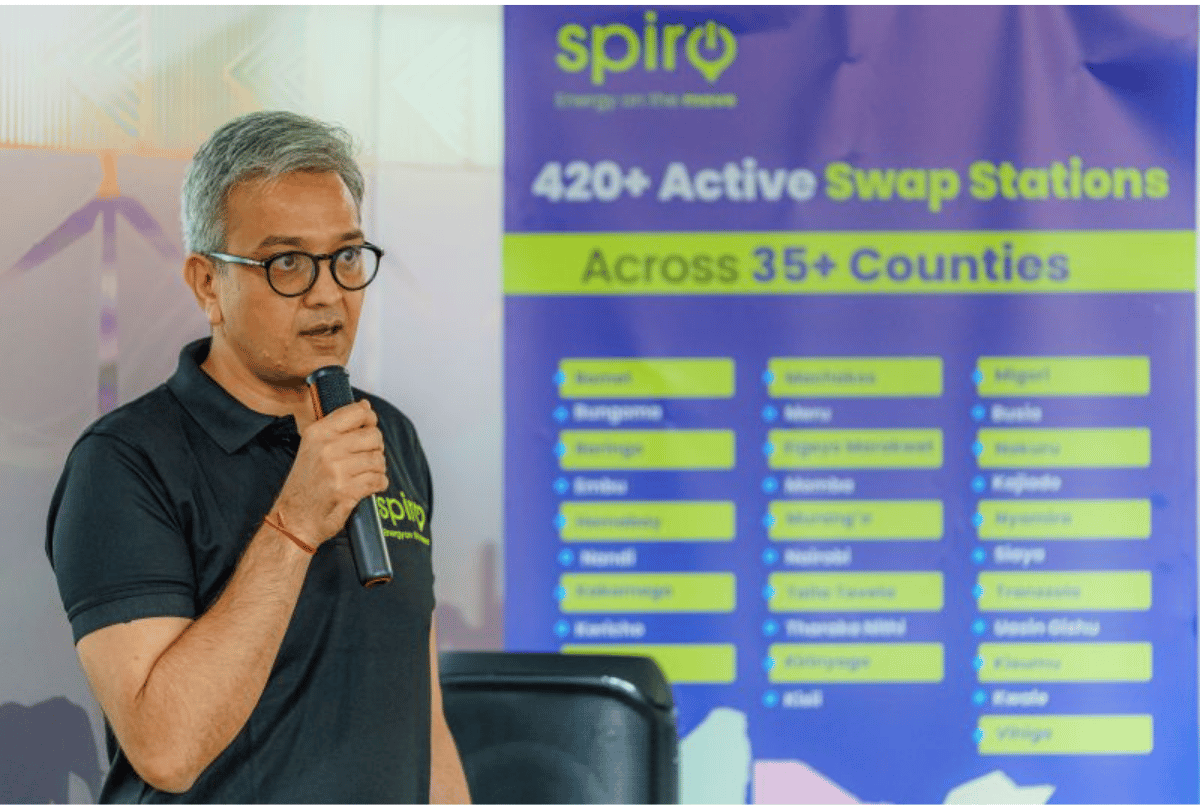
Electric mobility company Spiro has hosted its newly appointed Group Chief Executive Officer, Anant Badjatya, during an operational visit to Kenya, signalling the company’s intent to deepen its footprint across African markets and scale its clean transportation infrastructure.
The tour, which included site visits to key facilities and meetings with Kenyan stakeholders and government officials, was designed to give the new chief executive a first-hand understanding of the company’s operations in one of its most important African markets.
Spiro, which has positioned itself as a leading player in Africa’s emerging electric vehicle sector, said Mr Badjatya’s appointment and subsequent Kenya visit reflect broader ambitions to scale electric mobility infrastructure across African cities, supporting cleaner transportation systems and creating new economic opportunities for riders and partners.
The company’s expansion comes at a time when African nations are increasingly exploring sustainable transport solutions to address urban congestion, rising fuel costs, and the environmental toll of fossil fuel-dependent transport systems. Kenya, with its relatively advanced technology ecosystem and progressive renewable energy policies, has emerged as a natural hub for electric mobility ventures on the continent.
Mr Badjatya’s operational tour included assessments of supply chain logistics, charging infrastructure deployment, and the company’s partnerships with local government agencies. The new CEO is understood to be focused on streamlining operations and accelerating the rollout of electric two-wheelers and three-wheelers, which form the backbone of public transport in many Kenyan cities and towns.
The appointment of a new Group CEO at this stage of Spiro’s growth trajectory suggests the company is preparing for a more aggressive phase of continental expansion. Electric mobility remains a nascent but rapidly growing sector in Africa, where the majority of vehicles on the road still run on petrol and diesel.
The company’s push into electric mobility aligns with a broader continental shift toward cleaner energy, a trend reflected in initiatives such as the International Atomic Energy Agency’s backing of Ghana’s nuclear readiness as part of Africa’s growing energy transition.
Industry analysts note that the success of electric mobility companies in Africa will depend on several factors, including the availability of affordable vehicles, the development of reliable charging networks, and the creation of financing models that make electric transport accessible to low-income riders who make up the bulk of the market.
Spiro’s focus on Kenya as a strategic entry point is consistent with broader industry trends. The East African nation has attracted significant investment in clean energy and green technology in recent years, and its regulatory framework has been relatively welcoming to electric vehicle companies.
The company has also been active in other markets, including Rwanda and Uganda, where it has deployed electric motorcycles and established battery-swapping stations. The expansion into additional markets will require substantial capital investment and the cultivation of local partnerships — challenges that Mr Badjatya will be expected to navigate in his new role.
As Africa grapples with the twin pressures of urbanisation and climate change, the transition to cleaner transport systems is no longer a luxury but a necessity. Spiro’s leadership transition and operational expansion suggest that the company intends to be at the forefront of that transformation.
Image Source: GHANAMMA