IAEA Backs Ghana's Nuclear Readiness Amid Africa's Growing Energy Transition
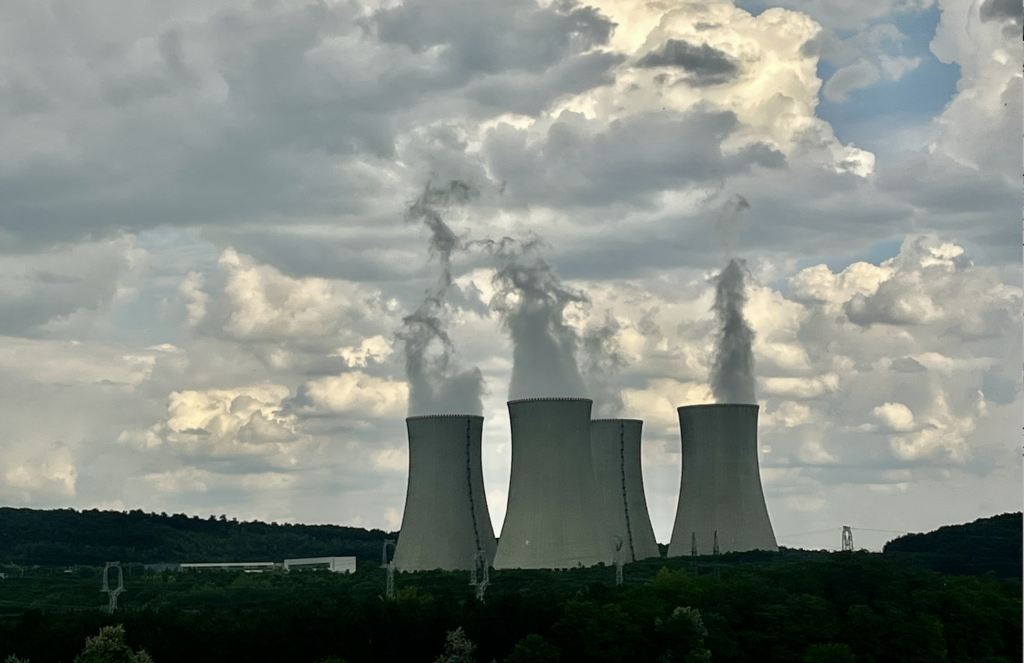
Ghana is making steady progress towards introducing nuclear power into its energy mix, with the International Atomic Energy Agency expressing confidence in the country’s institutional readiness, technical capacity and regulatory frameworks.
IAEA Director General Rafael Mariano Grossi, speaking in Vienna, praised Ghana’s long-standing engagement with the agency and the methodical approach Accra has taken to building the foundations for a civil nuclear programme. “In the case of Ghana, for example, you have been working for quite a while with the Agency,” Grossi said, highlighting the country’s commitment to meeting international standards.
The development reflects growing momentum across Africa as nations seek reliable, low-carbon energy sources to support industrialisation and strengthen energy security. Egypt is currently constructing four nuclear power plants, while South Africa continues to expand its existing capacity.
A Phased Approach
Ghana’s nuclear ambitions follow a structured roadmap laid out under the IAEA’s Milestones Programme, a framework that guides governments through successive stages of infrastructure development. The country is currently in Phase Two, which encompasses site studies, public communication campaigns, institutional strengthening and negotiations with potential technology vendors.
Chief of Staff Julius Debrah confirmed that Ghana plans to construct a 1,000-megawatt nuclear power plant as a base load to secure the nation’s energy future and drive industrialisation. The government is also pursuing bilateral agreements and engaging partners to explore small modular reactor technology as part of a broader transformational energy agenda.
“Nuclear power plants operate for close to 100 years,” Grossi noted. “It means several generations will be benefiting from it and working around it. So it is a very consequential decision.”
Energy Security at Stake
Ghana’s interest in nuclear energy is not occurring in a vacuum. The country has long grappled with inconsistent power supply, a challenge that has hampered manufacturing, deterred investment and constrained economic growth. Adding a nuclear baseload to the grid would fundamentally alter Ghana’s energy landscape and reduce reliance on hydroelectric and thermal generation.
The move aligns with Ghana’s broader positioning as an attractive destination for international investment. The country has been actively courting global investors and positioning itself as a leading outsourcing and digital services hub on the continent, leveraging a young English-speaking workforce and expanding broadband infrastructure. Reliable, affordable energy is a critical piece of that economic strategy.
Regulatory Foundations
The IAEA’s support extends beyond technical advice to include the establishment of an independent national nuclear regulator — a prerequisite for any country seeking to operate nuclear facilities. Ghana’s engagement with the agency on regulatory development signals that the government recognises the importance of governance structures alongside engineering capability.
Phase Three, which will involve actual construction of the nuclear power plant, is expected to follow the successful completion of the current preparatory phase. While no firm timeline has been set for commissioning, the government has indicated it aims to complete the preparatory work within the current leadership’s first term.
For Africa’s energy transition, Ghana’s nuclear journey represents both a national milestone and a continental signal. As more African nations explore nuclear options, the continent’s energy narrative is being rewritten — and Ghana intends to be among the authors.
Image Source: GHANAMMA