Cape Verde Goalkeeper Vozinha Amasses 2.7 Million Instagram Followers After Heroic Display Against Spain
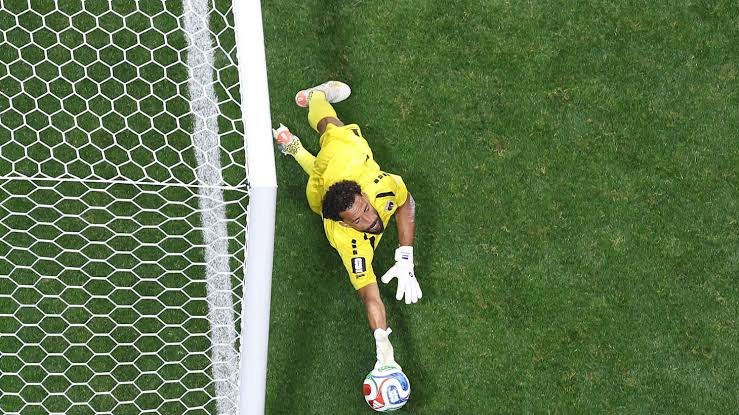
When Josimar Dias, better known as Vozinha, walked off the pitch at Mercedes-Benz Stadium in Atlanta on Sunday evening, he carried with him the quiet satisfaction of a man who had just delivered the performance of a lifetime. The 40-year-old Cape Verde goalkeeper had kept a clean sheet against Spain, one of the tournament favourites, to earn his country a historic 0-0 draw in their first-ever FIFA World Cup match.
By Monday morning, his life had changed in a way he could never have anticipated.
Vozinha’s Instagram account, which had languished at roughly 45,000 followers before the match, exploded overnight. Within hours, the number had surged past 2.7 million — a staggering increase that speaks to the global reach of the modern World Cup and the magnetic pull of an underdog story told on the grandest stage in sport.
The numbers behind the match tell a remarkable story of defiance. Spain registered 27 shots, seven of them on target, and generated an expected goals figure of 2.10. By every statistical measure, they should have won comfortably. Instead, they found Vozinha in imperious form, repelling wave after wave of attacks with the composure of a goalkeeper half his age. The veteran, who plays his club football for GD Chaves in the Portuguese second division and has represented Cape Verde since 2012, was named man of the match — the oldest goalkeeper ever to keep a clean sheet in a World Cup fixture.
“Crazy,” was his one-word assessment of the experience, a sentiment that seemed to capture the mood of an entire nation.
The result was not merely a statistical curiosity. It represented one of the most remarkable opening-match outcomes in World Cup history, a result that will be replayed and retold for decades in the island archipelago off the west coast of Africa. Cape Verde, a country of fewer than 600,000 people, had stood toe-to-toe with Spain and refused to blink.
Vozinha’s overnight fame places him in a growing constellation of African players who have seized the moment at this expanded 2026 World Cup. Ivory Coast claimed Africa’s first victory of the tournament with a 1-0 win over Ecuador, while Egypt, led by Mohamed Salah, earned a creditable draw against Belgium in their opener. The collective performance of the continent’s representatives has challenged long-held assumptions about the hierarchy of international football.
For Vozinha personally, the social media surge is unlikely to alter his fundamental approach to the game. At 40, he is playing in what is almost certainly his final World Cup, and the focus now turns to Cape Verde’s remaining Group H fixtures against Saudi Arabia and Uruguay. Two more performances of similar calibre could carry the Blue Sharks into the knockout rounds — an outcome that, before Sunday, would have seemed fanciful at best.
What the Instagram numbers do reveal, however, is the appetite among global audiences for stories of sporting perseverance. In an era of billion-dollar club transfers and celebrity-driven football culture, there remains something profoundly appealing about a veteran goalkeeper from a small island nation rising to the occasion when it matters most. Vozinha’s followers are not merely following a footballer; they are investing in a narrative of possibility.
The question now is whether Cape Verde can sustain the momentum. The Blue Sharks face Saudi Arabia next before closing their group campaign against Uruguay. If Vozinha and his teammates can produce anything close to Sunday’s heroics, the story of the 2026 World Cup may yet have its most unlikely protagonists.
Image Source: GHANAMMA