US Judge Dismisses Musk's xAI Trade Secret Lawsuit Against OpenAI With Prejudice
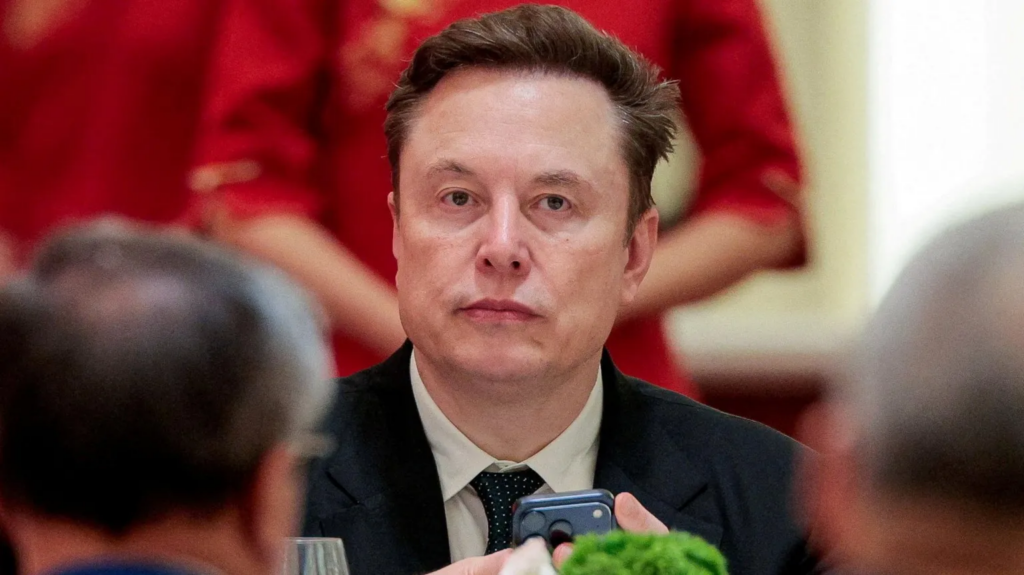
A United States federal judge has dismissed with prejudice a trade secret lawsuit filed by Elon Musk’s artificial intelligence company xAI against OpenAI, marking the billionaire’s second significant legal defeat against the ChatGPT maker in just four weeks.
U.S. District Judge Rita Lin, sitting in San Francisco, ruled on Monday that xAI had failed to present sufficient evidence that OpenAI induced a former senior engineer to disclose confidential information, including source code related to xAI’s Grok chatbot. The dismissal with prejudice means the case cannot be refiled.
The lawsuit, originally filed in September 2025, alleged that OpenAI stole trade secrets from xAI by obtaining proprietary source code and other confidential data through Xuechen Li, a former senior engineer who had worked on the Grok platform. xAI contended that OpenAI used this stolen information to improve its own products.
Judge Lin was unconvinced. In her ruling, she found that xAI could not demonstrate that OpenAI induced Li to disclose confidential data, nor that OpenAI knew Li might have leaked proprietary information. The judge characterised OpenAI’s practice of asking job candidates about their prior work as a routine recruitment exercise, not evidence of corporate espionage.
To hold otherwise would potentially expose employers to liability any time they inquire about a candidate’s past work, Lin wrote in her decision. She declared the suit futile and closed the case permanently.
OpenAI welcomed the ruling. A company spokesperson said the lawsuit was never anything more than yet another front in Mr Musk’s ongoing campaign of harassment. xAI has maintained that Li never worked for OpenAI and that the rival company never acquired its trade secrets. Li, who is being sued separately by xAI, has denied any wrongdoing.
The dismissal compounds a bruising legal stretch for Musk in his protracted battle with OpenAI. Just weeks earlier, in May 2026, a federal jury ruled against Musk in a $150 billion lawsuit alleging that OpenAI had betrayed its original nonprofit mission. That verdict, combined with Monday’s ruling, suggests that courts are growing weary of the escalating legal warfare between two of the most prominent figures in the AI industry.
The case also carries broader implications for the technology sector. The ruling reinforces a legal principle that could prove significant as AI talent becomes the industry’s most fiercely contested resource: routine interview questions about a candidate’s prior work do not constitute unlawful inducement to disclose trade secrets. In an industry where engineers frequently move between competing firms, the decision provides a measure of clarity about where the legal boundaries lie.
For OpenAI, the victory strengthens its hand. The company, led by Sam Altman, has faced a relentless series of legal and public challenges from Musk, who co-founded OpenAI before departing and later establishing xAI as a direct competitor. As regulatory scrutiny of AI companies intensifies, OpenAI can now devote more of its attention to navigating policy rather than courtroom battles.
The broader AI industry will be watching closely. Musk’s legal setbacks arrive at a time when the race to develop advanced AI systems has drawn billions of dollars in investment and unprecedented political attention. The question of how companies protect their intellectual property while competing for a limited pool of AI talent is unlikely to fade. But for now, the courts have drawn a clear line: asking a job candidate about their previous work is not, by itself, a trade secret violation.
Image Source: MYJOYONLINE