Human Trafficking Ghana: 5 Urgent Demands From IJM to Crush Exploitation and Protect Vulnerable Youth
Human trafficking in Ghana has reached a critical inflection point, with the International Justice Mission (IJM) issuing five urgent demands for increased funding, stronger collaboration, and intensified media awareness campaigns to combat what officials describe as a growing threat affecting communities across the sub-region.
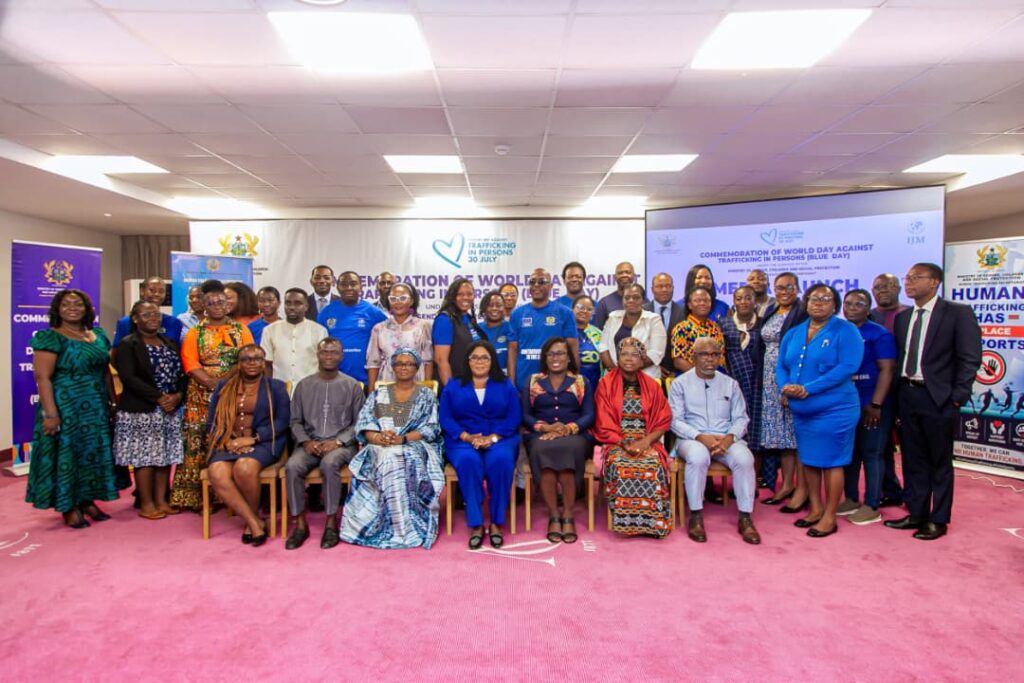
Speaking at the media launch of this year’s World Day Against Trafficking in Persons — also known as Blue Day — IJM West Africa Director Anita Budu delivered a stark warning that trafficking networks are becoming increasingly sophisticated, exploiting digital platforms and false promises to lure vulnerable young people into dangerous situations of exploitation.
How Human Trafficking in Ghana Uses Digital Platforms to Trap Youth
The scale of the human trafficking crisis in Ghana was illustrated by a chilling case from 2025, when 76 young Ghanaians were reportedly trafficked to Nigeria after being promised football opportunities abroad. According to IJM’s account, the victims were recruited through social media platforms including Facebook and WhatsApp with enticing promises of football contracts and better prospects.
Upon arrival in Nigeria, however, their phones and travel documents were allegedly seized. The victims were kept in overcrowded conditions and forced to demand money from their families under false pretenses. Some were reportedly pushed into cyber fraud activities — a dual exploitation that underscores the evolving nature of trafficking operations targeting Ghana’s youth.
“This is not just a story of deception; it is a story of trafficking,” Anita told an audience of government officials, civil society groups, justice sector actors, and members of the media gathered for the Blue Day launch event.
IJM’s 5 Key Demands to End Human Trafficking in Ghana
The International Justice Mission outlined five concrete demands that it believes are essential to turning the tide against human trafficking in Ghana:
1. Increased Government Funding: IJM called on the government to significantly boost budgetary allocations to Ghana’s Human Trafficking Fund, which supports prevention, victim care, investigations, prosecutions, and survivor rehabilitation. Without adequate financial resources, anti-trafficking efforts remain under-resourced and unable to match the sophistication of criminal networks.
2. Stronger International Collaboration: The successful rescue of the 76 trafficked Ghanaians demonstrated the critical importance of cross-border cooperation. The Ghana Police Service, Interpol, and Nigerian authorities were credited for locating the victims across multiple Nigerian states and facilitating their safe return home.
3. Intensified Media Awareness Campaigns: Anita challenged journalists to play a more active role in exposing trafficking networks and educating the public. “You are not just storytellers; you are first responders to truth,” she told media professionals, stressing that many cases remain hidden because victims fear stigma, retaliation, or not being believed.
4. Enhanced Online Safety Monitoring: With traffickers increasingly using digital spaces and global interests like sports to target young people, IJM highlighted major gaps in prevention systems, particularly in online safety monitoring and digital literacy programmes.
5. Institutional and Individual Partnerships: The organization appealed to institutions, organizations, and individuals to support anti-trafficking interventions through donations and partnerships, recognizing that government action alone is insufficient.
The Human Trafficking in Ghana Crisis: Why Blue Day 2026 Matters
This year’s Blue Day was held under the theme “Human Trafficking Can End: The Time is Now — Blow the Whistle on Sports Trafficking.” The theme specifically addresses the emerging trend of traffickers exploiting the universal appeal of sports to deceive young Africans seeking opportunities abroad.
The case of the 76 young Ghanaians is emblematic of this pattern. Football, Africa’s most popular sport, was weaponized as a recruitment tool by traffickers who understood that dreams of professional sporting careers could override caution among desperate young people and their families.
According to the United Nations Office on Drugs and Crime (UNODC), trafficking for forced criminality — including cyber fraud — is a growing phenomenon across West Africa, with digital platforms providing traffickers unprecedented access to potential victims.
How Ghana Can Strengthen Its Fight Against Human Trafficking
Despite the successful intervention that brought the 76 victims home, IJM says major gaps remain in Ghana’s prevention infrastructure. The organization emphasized that combating human trafficking in Ghana requires a comprehensive approach that addresses root causes — poverty, unemployment, and lack of opportunity — while simultaneously strengthening law enforcement capacity and judicial prosecution.
The U.S. State Department’s Trafficking in Persons Report has consistently noted that countries in the West Africa sub-region, including Ghana, must improve their prosecution rates for trafficking offences and expand victim protection services to make meaningful progress against the crime.
IJM’s message ahead of World Day Against Trafficking in Persons is unequivocal: the time to act is now. With trafficking networks becoming more technologically sophisticated and increasingly targeting young people through platforms they use daily, the window for preventive action is narrowing.
The organization says it will continue partnering with governments, justice institutions, and communities to protect vulnerable people from violence, trafficking, and exploitation — but insists that the scale of the challenge demands broader societal engagement and significantly greater resources than currently deployed.
As Ghana prepares to mark Blue Day 2026, the question confronting policymakers, media professionals, and citizens alike is whether the country will translate IJM’s urgent demands into concrete action — or whether another generation of young Ghanaians will fall victim to increasingly sophisticated trafficking networks operating in plain sight across digital platforms.
Source: MyJoyOnline