Ghana's Handicrafts Sector Surges: A Model for Export Diversification
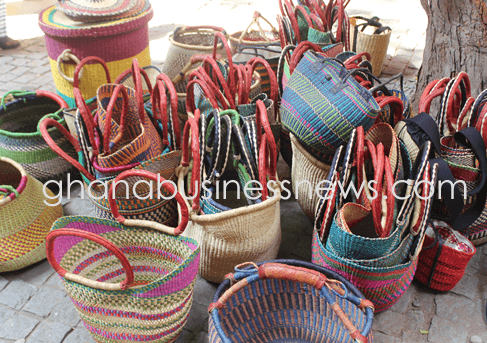
In recent years, Ghana has sought to diversify its export base beyond traditional commodities like gold, cocoa, and oil. The latest data from the Ghana Export Promotion Authority (GEPA) reveals a remarkable success story in this endeavor: the handicrafts sector has recorded a 500% surge in exports, making it the fastest-growing segment within the country’s non-traditional export sector.
This explosive growth, reported in June 2026, underscores the shifting dynamics of global consumer preferences. Increasing demand for culturally unique, handmade goods has propelled Ghanaian handicrafts — ranging from ornaments and Adinkra-inspired items to paintings, woodcrafts, and kente fabrics — into international markets. As Deputy CEO Rashid Raymond Kramer of GEPA noted, the growth reflects not only rising appetite for artisanal products but also the sector’s enormous potential to become a major foreign-exchange earner and job creator.
The drivers of this surge are clear. Global consumers are increasingly seeking products with authentic cultural significance and superior craftsmanship. Ghanaian handicrafts, with their distinctive designs and deep-rooted traditions, are well-positioned to meet this demand. Moreover, the sector’s growth is not merely a fleeting trend; it is supported by tangible competitive advantages. Ghana possesses abundant local resources, including raw materials for textiles and woodcrafts, and enjoys favorable access to major international markets.
However, to sustain and amplify this momentum, strategic interventions are essential. GEPA has identified value addition as the central pillar for sustainable export growth. By processing raw agricultural commodities — such as yam, coconut, cocoa, mango, and pepper — into finished goods, producers can earn higher returns while reducing post-harvest losses and extending shelf life. This approach aligns with the government’s 24-hour economy initiative, which aims to boost productivity and job creation.
Stakeholders must now act to capitalize on this opportunity. Investors should explore setting up processing plants for high-potential commodities to capture value-add margins. Artisans and businesses need to prioritize strong brand identity and quality certifications to meet international standards. Market development efforts should target new export destinations for kente textiles and fashion products. Crucially, policy support is vital: government incentives that facilitate infrastructure, financing, and training for artisans and processors will be instrumental in sustaining growth.
The handicrafts sector’s success offers a blueprint for export diversification in Ghana. It demonstrates that leveraging cultural heritage and artisanal skills can yield significant economic benefits. As the nation continues to navigate global economic challenges, investing in sectors like handicrafts — where tradition meets market demand — could prove pivotal in building a resilient and inclusive export economy.