Community leaders back Ghana-made vaccines
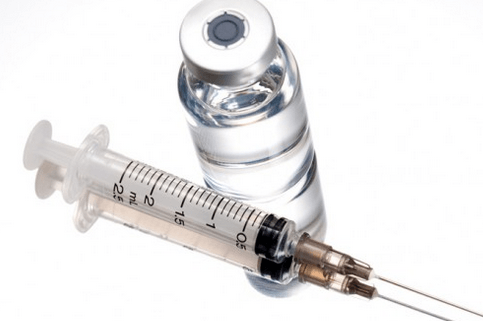
Community leaders endorse Ghana’s vaccine self-reliance initiative
Ghanaian community leaders and frontline health workers have voiced strong support for the nation’s ambitious plan to manufacture vaccines locally, describing the initiative as a vital stride toward strengthening health security and reducing dependence on foreign imports.
The endorsement comes as Ghana advances its National Vaccine Institute (NVI), established under the National Vaccine Institute Act of 2023, with plans to produce its first locally made tetanus-diphtheria vaccine by early 2027. Community figures highlight the potential benefits: improved vaccine access, reduced costs, and enhanced public trust in homegrown medical solutions.
Naa Korkor Sampah III, Queen Mother of Ga Odumase, acknowledged a prevailing preference for foreign medicines among many Ghanaians but affirmed her willingness to use and promote locally produced vaccines that meet stringent safety standards. She pledged to allocate space at her palace for outreach campaigns and to mobilize residents for awareness initiatives, addressing barriers such as long distances to health facilities, transportation challenges, and lengthy wait times.
Ms Sarah Tawiah Commey, a voluntary community health assistant, expressed deep confidence in Ghana-made medicines, emphasizing that local vaccine production would serve as a national asset. She noted that routine immunization programs have already significantly curtailed polio and measles cases, and she trusts the Food and Drugs Authority (FDA) to uphold international safety standards for new vaccines. Commey also highlighted the ongoing effort to combat vaccine hesitancy through education, countering misconceptions about potential harm or misuse.
The NVI’s strategy involves partnerships with local pharmaceutical company Atlantic Life Sciences and international collaborator PT Bio Farma of Indonesia, leveraging expertise to accelerate development and production. Notably, Ghana already possesses commercial capacity for snake venom antiserum production, signaling a foundation for a resilient pharmaceutical industry.
Community leaders stress that achieving vaccine self-reliance requires more than technical capability; it demands sustained public engagement, regulatory vigilance, and efforts to build trust in locally manufactured health products. As the nation moves toward production, the backing of community figures underscores a collective recognition that vaccine security is integral to national resilience.
Image Source: GHANA BUSINESS NEWS