Ghana’s Flood‑Control Spending: GARID Investment Under Mahama vs NPP

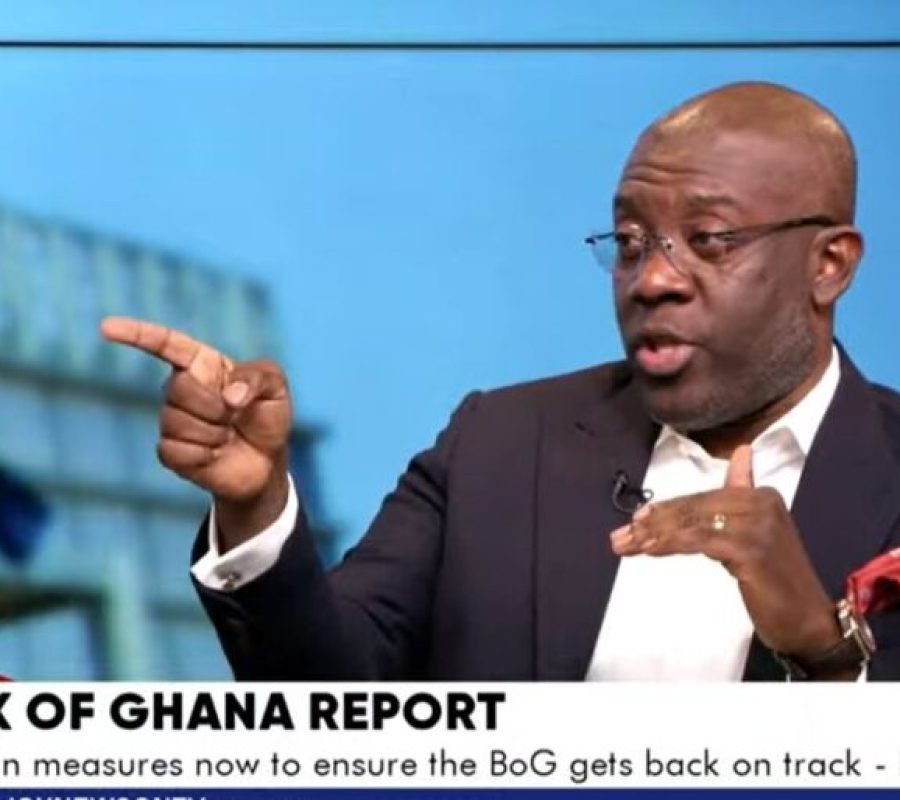
In a candid assessment of Ghana’s flood‑control efforts, Member of Parliament for Sagnarigu and Finance Committee member Atta Issah has revealed that the current Mahama administration has allocated more resources to actual flood prevention under the Greater Accra Resilient and Integrated Development (GARID) project in two years than the previous NPP government did in five. Speaking on Joy FM’s Top Story, Issah said the Mahama administration has spent $13.52 million on flood control under GARID between 2025 and 2026, compared with the $11.4 million the Akufo‑Addo administration expended on the same purpose from 2019 to 2024.
The disparity becomes starker when examining the total loan withdrawals. The NPP government drew down $103.8 million from the World Bank‑facilitated GARID facility, yet only $11.4 million—approximately 10.9 percent—was directed toward genuine flood prevention and mitigation measures. The remainder was diverted to ancillary activities: $22.1 million for training, $7.9 million for consultancy work, a significant portion for Covid‑19‑related expenditures, and $1.68 million for vehicle purchases. In Issah’s words, “Out of the $103.8 million that was spent out of the loan, only $11.4 million, only 10.9 percent, was actually spent on flood prevention and mitigation measures.”
By contrast, the Mahama administration’s disbursements have been tightly focused on the core objective. Issah noted that the government spent $3 million on flood control in 2025 and has already released $10.52 million in 2026 for the same purpose, bringing the two‑year total to $13.52 million. He challenged critics who accuse the government of fiscal indiscipline, asking how an administration that has outspent its predecessor in actual flood‑control investments in half the time can be deemed uncommitted to the World Bank loan’s mandate.
Issah also urged stakeholders to depoliticise the perennial flooding crisis that periodically claims lives and devastates communities in Accra. He called for swift action on engineering and structural designs already submitted under the GARID framework, insisting that flooding should not remain an annual tragedy. “Flooding should not be an annual perennial issue that should claim the lives of our people. We must do everything possible as a government to make sure that this becomes the terminal point of it,” he said, echoing concerns raised by public‑health officials who have warned about the dangers of stagnant floodwaters and the Musicians Union of Ghana, which has previously expressed sympathy with flood victims and urged citizens to stay safe during deluges.
The lawmaker’s remarks come amid growing public frustration over recurring floods that have turned streets into rivers, damaged property, and threatened livelihoods. While the GARID project envisions a comprehensive drainage overhaul, its success hinges on translating allocated funds into tangible infrastructure—detention basins, upgraded culverts, and reinforced channels—that can withstand increasingly intense rainfall patterns linked to climate change. As Ghana braces for another rainy season, the emphasis must shift from administrative overhead to concrete works on the ground, ensuring that the investments made under GARID deliver the resilience promised at the project’s inception.