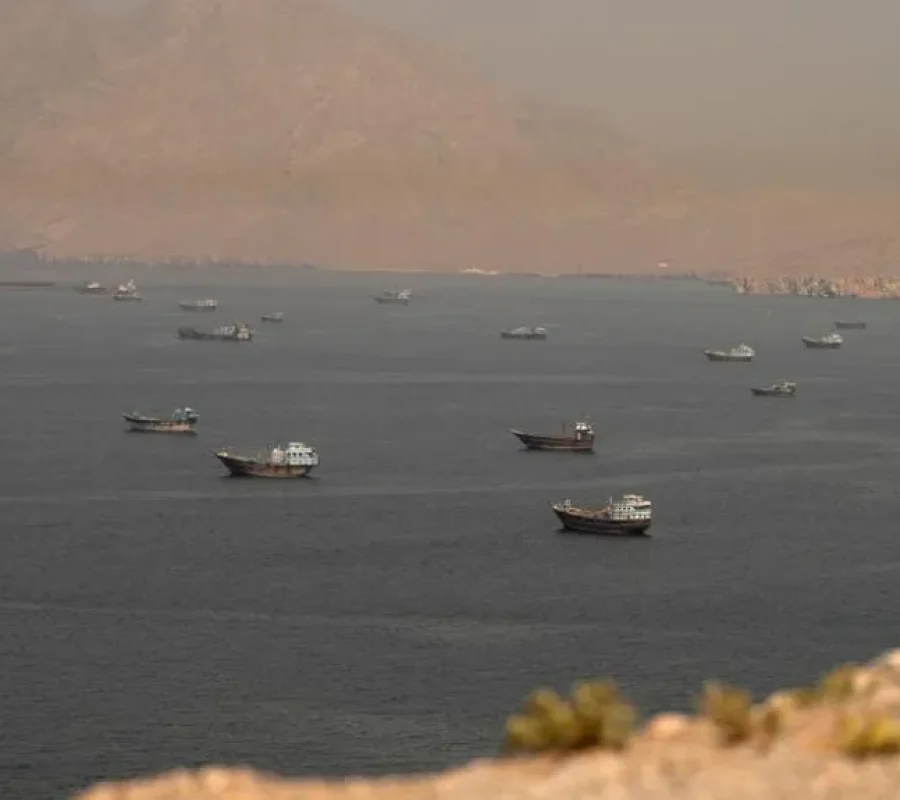
Ghana Enacts Maritime Security Law to Combat Piracy in Gulf of Guinea
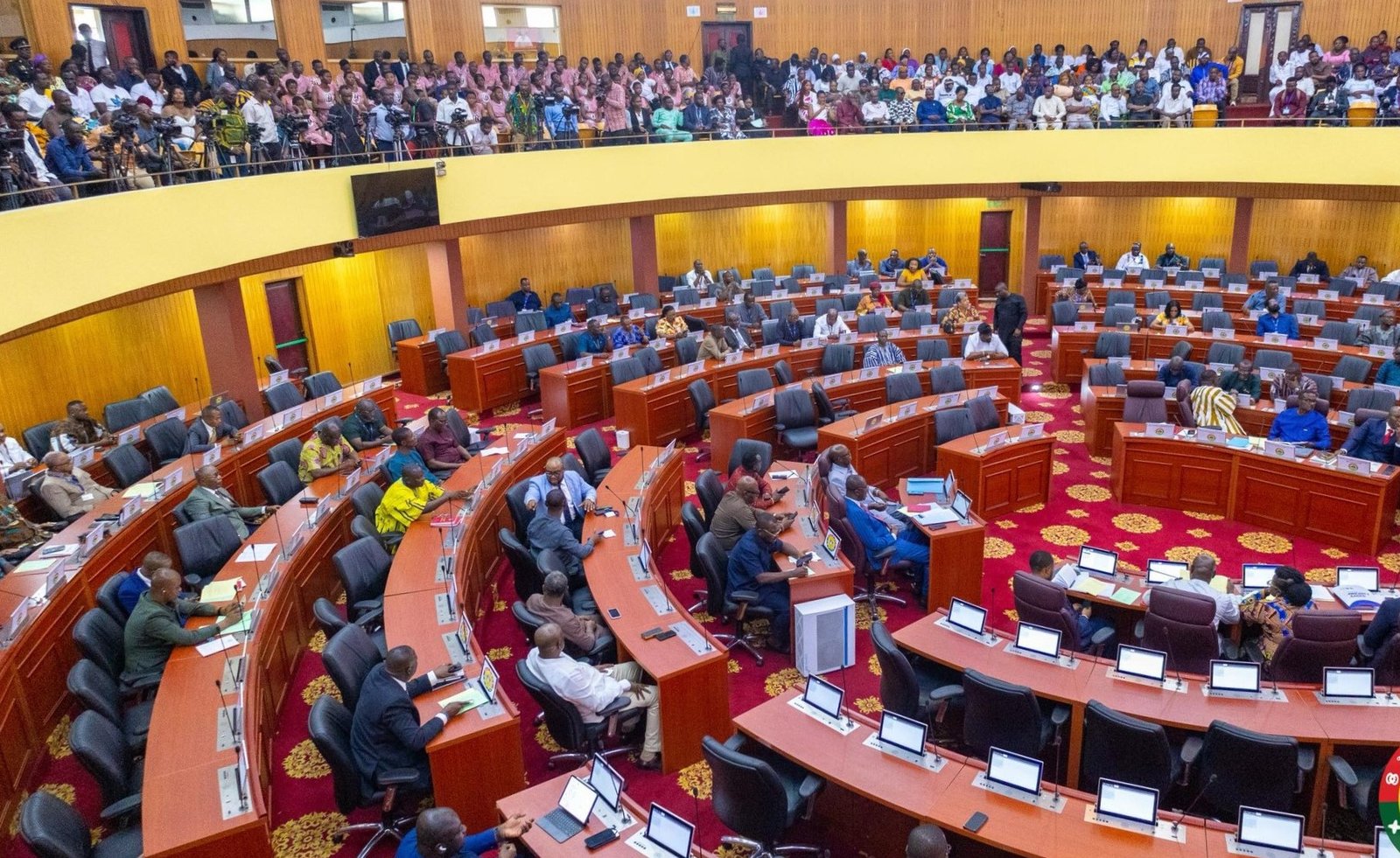
Ghana’s Parliament has enacted comprehensive maritime security legislation designed to combat escalating piracy and armed robbery threats in the Gulf of Guinea, marking a significant advancement in the nation’s capacity to protect its maritime domain and facilitate legitimate seaborne trade.
The Maritime and Related Offences Bill, 2026, passed on July 2, 2026, establishes a specialized legal framework for addressing piracy, armed robbery against vessels, and other maritime crimes occurring within Ghana’s jurisdictional waters. The legislation represents a critical step toward fulfilling Ghana’s ambition of becoming a premier maritime hub in West Africa by addressing long-standing gaps in the country’s legal capacity to prosecute ocean-based offenses.
According to the parliamentary committee report accompanying the bill, the new law creates “a comprehensive legal regime for the prevention, investigation, prosecution and punishment of piracy, armed robbery at sea and other maritime offenses.” The legislation achieves this by incorporating and giving domestic effect to two key international conventions: the 1982 United Nations Convention on the Law of the Sea (UNCLOS) and the 1988 Convention for the Suppression of Unlawful Acts Against the Safety of Maritime Navigation (SUA Convention), including its associated protocols.
A significant aspect of the legislation is its alignment of Ghana’s domestic penal code with international maritime law standards. Specifically, the bill harmonizes the country’s prosecution of piracy offenses with Articles 100 through 105 of UNCLOS, which define piracy as illegal acts of violence or detention committed for private ends against ships or aircraft on the high seas or in places outside national jurisdiction.
The legislative initiative was driven by mounting concerns over deteriorating maritime security conditions in the Gulf of Guinea—a region that has experienced a troubling escalation in pirate attacks, vessel hijackings, crew kidnappings for ransom, and attacks on maritime infrastructure over the previous decade. Parliament’s Rivers and Transportation Committee, which reviewed the bill, emphasized that these threats pose substantial risks not only to immediate victims but also to broader economic interests.
“The report noted that the Gulf of Guinea had experienced increasing maritime insecurity over the past decade, including vessel hijackings, kidnappings for ransom, armed robbery at sea and the destruction of maritime property,” the committee’s findings stated. “It said these crimes posed significant threats to maritime trade, regional stability, economic development and the safety of seafarers, making a stronger legal and institutional framework necessary.”
Presenting the committee’s findings in Parliament, Chairman Isaac Adjei Mensah highlighted the practical limitations that had previously hindered effective maritime law enforcement. “Mr Speaker, the absence of a dedicated legal framework on maritime offences in Ghana creates enforcement and prosecutorial challenges in dealing with piracy and related crimes,” Mensah explained. “The enactment of this Bill will, therefore, provide the necessary legal basis for the investigation, arrest, prosecution and punishment of offenders.”
Beyond establishing prosecutorial authority, the legislation is designed to create deterrence through enhanced judicial capabilities. By clarifying jurisdictional boundaries and establishing clear penalties for maritime offenses, the law aims to dissuade potential perpetrators while providing law enforcement agencies with the tools necessary for effective intervention.
The bill’s proponents argue that robust maritime security legislation is essential for attracting and sustaining foreign investment in Ghana’s blue economy sectors. As noted in the committee report, “By closing gaps in our maritime law, the Bill strengthens trade security and enhances state port control,” thereby creating more favorable conditions for international shipping companies and port operators.
Additionally, the legislation is expected to boost confidence among international maritime insurers and shipping firms that have grown increasingly wary of operating in waters perceived as high-risk. By demonstrating a serious commitment to combating maritime crime, Ghana aims to reduce insurance premiums associated with transiting its territorial waters and improve its standing in maritime risk assessments conducted by international rating agencies.
The legislation also incorporates provisions designed to protect the livelihoods of legitimate maritime workers. As the committee report highlighted, the law seeks to “empower security agencies to act decisively, thereby ensuring that offenders face justice while safeguarding the livelihoods of our seafarers.” This balance between enforcement and protection recognizes that effective maritime security must distinguish between criminal enterprises and the essential workforce that enables commercial shipping operations.
Following passage of the bill, the parliamentary committee urged swift implementation of its provisions to begin securing immediate benefits for Ghana’s maritime sector. The lawmakers emphasized that timely enactment and enforcement would be critical for safeguarding the nation’s maritime interests while supporting broader economic development objectives tied to port expansion and blue economy initiatives.
As maritime trade volumes continue to grow across West Africa, effective governance of ocean spaces has become an increasingly important component of national security strategy. Ghana’s new maritime security legislation represents a significant investment in the rule of law at sea—an investment that promises to enhance both the safety of legitimate maritime activity and the country’s ability to compete effectively in the global maritime transportation network.
Image Source: GHANA BUSINESS NEWS