COCOBOD releases GH₵2.6m to LBCs to settle cocoa farmers
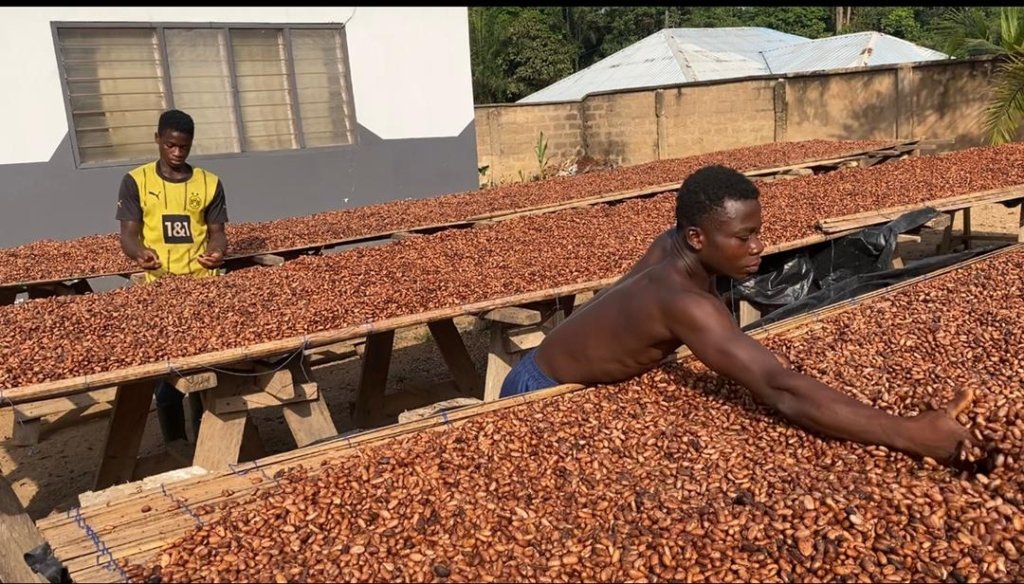
Ghana’s Cocoa Board Injects Vital Liquidity to Alleviate Farmer Payment Burdens
In a significant move to address lingering payment anxieties within Ghana’s cocoa sector, the Ghana Cocoa Board (COCOBOD) has disbursed GH₵2.6 billion to Licensed Buying Companies (LBCs) earmarked for direct distribution to cocoa farmers nationwide. The injection, announced earlier this week, represents one of the largest single interventions in the sector’s recent history and targets the persistent challenge of delayed farmer compensation that has plagued the industry for seasons.
Of the total disbursement, approximately GH₵1.4 billion has been specifically designated to clear outstanding balances owed to farmers who sold their cocoa harvests on credit arrangements—a practice that has left many smallholders vulnerable to cash flow uncertainties during the intervening period between sale and payment. This targeted allocation underscores COCOBOD’s recognition of the acute financial strain experienced by farmers reliant on timely settlements to sustain household expenses and reinvest in their farms.
Since the commencement of the 2025/26 crop season, COCOBOD’s cumulative disbursements to LBCs have now reached GH₵34.52 billion, reflecting the scale of Ghana’s cocoa enterprise and the board’s pivotal role as the sector’s financial intermediary. The latest tranche arrives amid heightened scrutiny over payment mechanisms, following persistent reports of smuggling activities attributed partly to farmer frustrations over delayed dues—a correlation COCOBOD implicitly acknowledged in its accompanying statement.
To ensure the funds reach their intended beneficiaries, COCOBOD affirmed it has instituted monitoring mechanisms designed to verify legitimate ownership and prevent diversion. The board emphasized its collaborative approach with LBCs, urging farmers possessing legitimate payment claims to engage directly with the purchasing companies through which they transacted their cocoa—a procedural step intended to streamline verification while maintaining accountability within the established supply chain.
In a deliberate tone meant to reassure a constituency historically subject to market volatilities, COCOBOD’s statement explicitly pledged that “no farmer will be denied payment for cocoa legitimately sold through the approved cocoa purchasing system.” This commitment, coupled with an appeal for farmer patience, seeks to bolster confidence in a sector that underpins approximately 15% of Ghana’s GDP and provides livelihoods for an estimated 800,000 households nationwide.
The intervention also carries broader implications for Ghana’s agricultural policy architecture. By injecting liquidity at the LBC level—rather than direct farmer payments—COCOBOD operates within the confines of the liberalized marketing system established decades ago, attempting to correct market inefficiencies without overturning the foundational structure. Critics, however, may question whether such top-down injections merely treat symptoms of systemic vulnerabilities requiring deeper structural reforms, particularly regarding access to affordable credit for farmers outside formal purchasing agreements.
Looking ahead, the sustainability of such interventions remains contingent on macroeconomic stability and consistent budgetary allocations. As Ghana navigates complex economic headwinds, including currency pressures and competing fiscal demands, the cocoa board’s ability to maintain reliable payment cycles will serve as a critical barometer for sector resilience—and by extension, the nation’s economic stability given cocoa’s enduring position as a leading foreign exchange earner.
Image Source: MYJOYONLINE