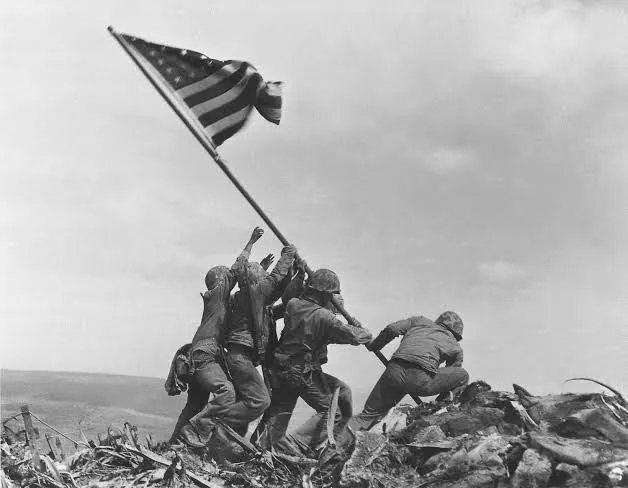
The 2026 FIFA World Cup has concluded, leaving behind a tapestry of triumphs, heartbreaks, and, for some commentators, unsettling historical parallels. One such analogy, posited by Jerry Aye-Gboyin, likens the tournament’s outcomes to a reimagining of World War II, with Germany and Japan’s early exits mirroring their Axis defeats, and Britain and France’s advancement under American backing echoing the Allied victory. While intriguing, this comparison risks oversimplifying both the complexities of international football and the profound gravity of global conflict.
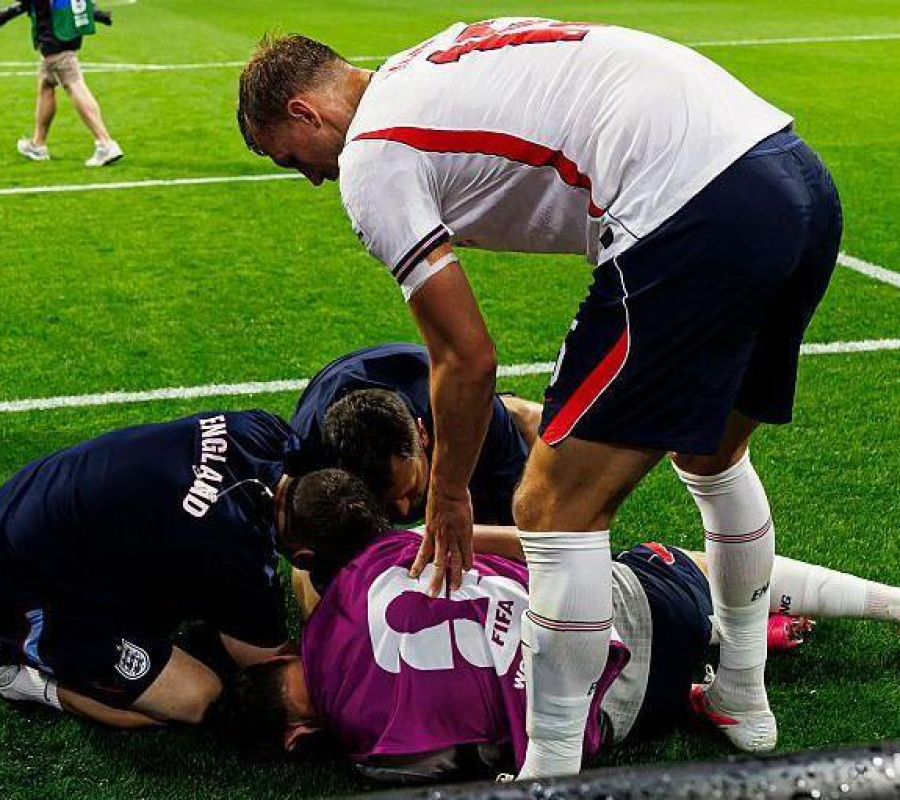
Certainly, the tournament delivered moments that resonated with historical echoes. Germany’s penalty shootout loss to Paraguay and Japan’s defeat underscored the unpredictability of sport, where even traditional powerhouses can falter. Meanwhile, the United States’ role as a host nation and its influence on match outcomes—such as the advancement of England and France—did reflect a degree of geopolitical familiarity. Yet to frame these outcomes as a direct replay of 1940s alliances overlooks the fundamental difference between athletic competition and wartime sacrifice.
Moreover, the narrative neglects nuanced stories that defy easy categorization. Morocco’s spirited run, which included a victory over the Netherlands, spoke more to the rising competitiveness of African and Arab nations on the global stage than to any historical allegory. Similarly, Canada’s embrace of home-field advantage and Mexico’s hard-fought win over Ecuador highlighted the tournament’s celebration of regional pride and sporting evolution, not ideological confrontation.
The true value of such analogies may lie not in their accuracy, but in their ability to spark conversation about how sports intersect with society. The World Cup, as a global spectacle, inevitably becomes a canvas for projecting broader narratives—whether about unity, rivalry, or identity. When England and France advanced, or when Argentina’s Lionel Messi dazzled, fans saw reflections of cultural pride, not merely echoes of past battles.
Ultimately, reducing the 2026 World Cup to a wartime metaphor diminishes the unique joy and sorrow inherent in the game itself. A last-minute goal, a penalty miss, or a goalkeeper’s save carry meanings that are deeply personal yet universally human—meanings that transcend historical parallels. As the confetti fell and the trophy was lifted, the tournament reminded us that while history may inform our perspectives, the beauty of football lies in its capacity to create new stories, not merely retell old ones.
Image Source: MYJOYONLINE