DNA Test Reveals Gramps Morgan Is 46% Ghanaian as Reggae Star Champions Reparatory Justice
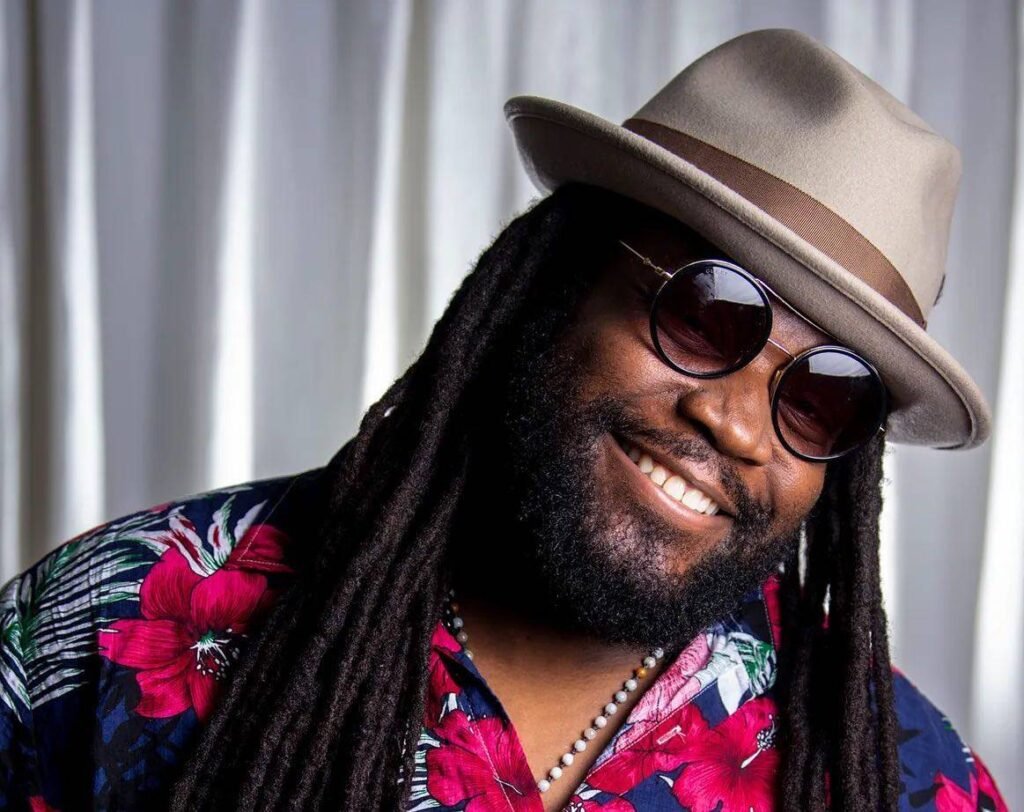
Jamaican reggae musician Gramps Morgan has revealed that a personal DNA ancestry test shows 46 percent of his genetic makeup traces back to Ghana, a disclosure he made at a high-level diplomatic conference in Accra that brought together world leaders, academics, and members of the African diaspora to discuss reparatory justice and historical reconciliation.
“I am one of the children of the Trans Atlantic Slave Trade. I have done research to find out the truth. When I did a DNA test, I found out that I am 46% Ghanaian. So let the truth be told,” Morgan told delegates at the High-Level Consultative Conference on Next Steps under the UN Resolution on Enslaved Africans, held in the Ghanaian capital on Thursday.
Morgan, a member of the celebrated Morgan Heritage musical family and one of reggae music’s most recognisable voices, said his decision to trace his ancestry was driven by a deeply personal need to understand his heritage and reconnect with historical roots that the trans-Atlantic slave trade severed centuries ago. His testimony drew sustained applause from the audience, which included political leaders, diplomats, and civil-society actors from across the continent and the diaspora.
The conference, which forms part of a broader United Nations initiative on the legacy of slavery and its contemporary implications, has attracted significant international attention. Among the heads of state present was Namibian President Netumbo Nandi-Ndaitwah, who arrived in Accra earlier in the week specifically to participate in the gathering aimed at charting a concrete implementation roadmap for the landmark UN resolution.
Morgan’s disclosure is emblematic of a growing trend among descendants of enslaved Africans who are turning to genealogy and DNA testing to reclaim connections that were systematically erased during centuries of forced migration and bondage. For many in the Caribbean, the Americas, and elsewhere, such tests offer the first concrete evidence of where their ancestors were taken from, and the results frequently point to West Africa, with Ghana a particularly common point of origin.
The reggae star did not limit his remarks to personal reflection. He used the platform to voice unequivocal support for the international campaign for reparations, linking his ancestral discovery to the broader call for truth-telling, historical accountability, and meaningful redress. His endorsement carries particular weight in a music genre long associated with messages of liberation, Pan-Africanism, and social justice.
Ghana, which is home to several former slave-holding forts and castles along its coastline, has positioned itself as a central node in the global reparatory justice conversation. The Accra conference represents a significant step in translating rhetorical commitments into actionable policy frameworks, and the presence of figures like Morgan, who can bridge the worlds of culture, diplomacy, and grassroots advocacy, underscores the breadth of the movement.
Observers at the conference noted that Morgan’s declaration serves as a powerful symbol of the living, tangible links between Africa and its diaspora. In a continent where debates about identity, belonging, and historical injustice remain deeply charged, the sight of a Caribbean reggae artist claiming Ghanaian ancestry with pride resonated far beyond the walls of the conference hall.
The conversation around reparatory justice has intensified significantly in recent years, with French President Emmanuel Macron recently calling on the United Nations, the African Union, and UNESCO to align their institutional mandates with the growing movement. Morgan’s contribution adds a distinctly personal and cultural dimension to what has largely been a political and legal discourse.
Image Source: MYJOYONLINE