Ghana postpones Ramaphosa's visit due to xenophobic violence

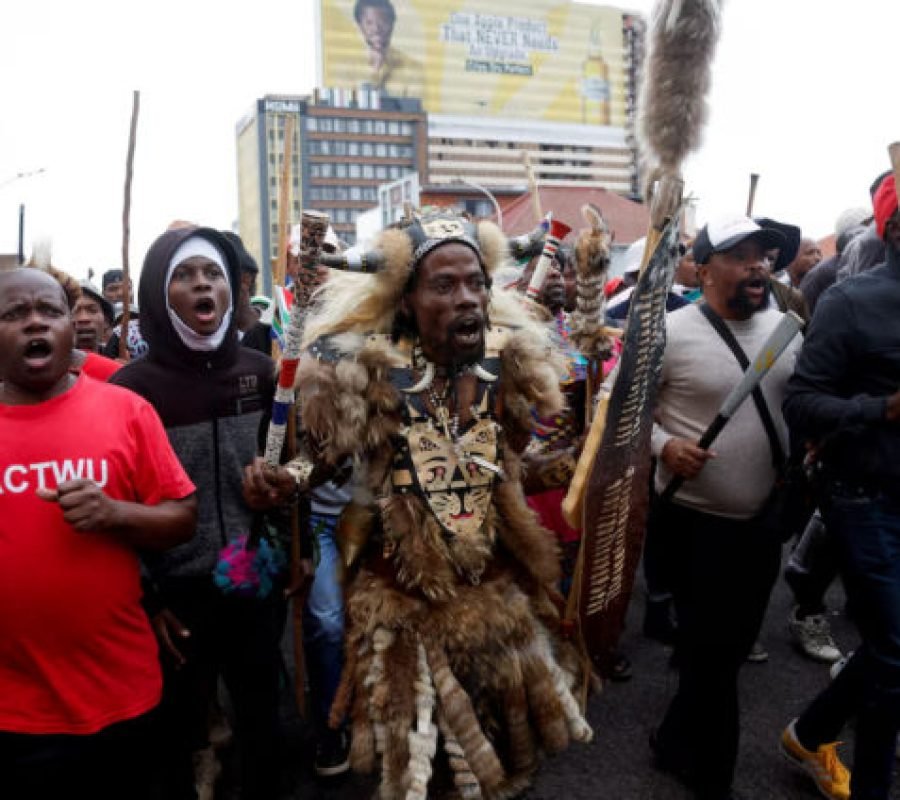
Ghana has postponed the scheduled state visit of South African President Cyril Ramaphosa due to escalating xenophobic violence against foreign nationals in South Africa, citing concerns that the unrest would overshadow the agenda of the high-profile diplomatic engagement.
In a statement, the Minister of Communication and government spokesperson, Felix Kwakye Ofosu, explained that the recent attacks on migrants from neighboring countries risk detracting from the substantive discussions planned for the visit. He emphasized that the decision was made to protect the dignity and purpose of the engagement, noting that the government remains committed to maintaining cordial relations with Pretoria while prioritizing the safety of its citizens abroad.
The postponement follows coordinated efforts by Ghanaian authorities to assist citizens wishing to return home, with ongoing preparations to facilitate further repatriations. Officials clarified that the bilateral relationship remains intact, but stressed that South Africa must do more to safeguard the rights and security of foreign residents, including Ghanaians, living within its borders.
The move reflects a broader trend across the African continent, as nations such as Nigeria, Uganda, and Kenya have also evacuated their citizens from South Africa amid rising anti-immigrant sentiment. The incident underscores the fragility of pan-African solidarity in the face of domestic political pressures and highlights the need for stronger regional mechanisms to address xenophobia and protect migrant communities.
Ghana and South Africa have long maintained a partnership rooted in shared histories of liberation struggles and economic cooperation. South Africa is one of Ghana’s key trading partners on the continent, with bilateral trade volumes reaching significant levels in recent years. The two nations have collaborated on infrastructure projects, energy initiatives, and peacekeeping efforts, underscoring the strategic importance of their relationship.
However, the resurgence of xenophobic violence in South Africa poses a significant challenge to this partnership. Reports of harassment, assaults, and forced displacements targeting foreign nationals have drawn international condemnation and raised alarms about the country’s commitment to human rights and regional stability. For Ghana, which hosts a sizable South African expatriate community and whose citizens have increasingly sought opportunities in South Africa’s economic hubs, the situation is particularly sensitive.
The decision to postpone the visit is not a rejection of diplomacy but a recognition that meaningful dialogue requires a conducive environment. By delaying the trip, Ghana aims to ensure that the agenda—likely covering trade, investment, security, and regional integration—can be discussed without the shadow of safety concerns looming over the proceedings. It also sends a clear message that the protection of citizens’ rights and dignity is non-negotiable, even in the pursuit of stronger bilateral ties.
Looking ahead, the resumption of the visit will depend on tangible improvements in the security situation for foreign nationals in South Africa. Ghanaian officials have indicated that they will monitor developments closely and engage with South African authorities to advocate for concrete measures to curb xenophobia. Such measures could include stricter enforcement of anti-discrimination laws, public awareness campaigns, and enhanced support services for victims of hate crimes.
In the interim, both nations can continue to engage through alternative channels, such as virtual meetings and technical working groups, to maintain momentum on shared priorities. The episode serves as a reminder that sustainable international relationships are built not only on economic interests but also on mutual respect, trust, and a commitment to upholding the fundamental rights of all individuals, regardless of nationality.
From an economic perspective, the postponement could have short-term implications for bilateral trade and investment flows. Delays in high-level engagements often translate to postponed decisions on joint ventures, infrastructure projects, and memoranda of understanding. However, both governments have expressed confidence that the underlying economic ties remain strong and that any temporary slowdown will be offset by renewed engagement once the security situation improves.
Regional bodies such as the African Union (AU) and the Economic Community of West African States (ECOWAS) have a role to play in addressing the root causes of xenophobia and fostering a culture of inclusivity. The AU’s Charter on Human and Peoples’ Rights, coupled with ECOWAS protocols on free movement and non-discrimination, provides a framework for member states to uphire the rights of migrants and combat discrimination. Strengthening the implementation of these instruments could help prevent future incidents and restore confidence in cross-border mobility.
As the continent strives for greater unity through initiatives like the African Continental Free Trade Area (AfCFTA), incidents of xenophobia threaten to undermine the very principles of integration and cooperation. By taking a principled stand, Ghana reaffirms its dedication to building an Africa where peace, prosperity, and dignity are accessible to all.
Image Source: GHANAMMA