Torkor Atorlia: Anlo’s historic justice site to become world-class museum, tourist centre
The transformation of Torkor Atorlia from a sacred site of traditional justice to a prospective museum and tourist center represents more than just infrastructural development—it embodies a nation’s commitment to preserving its cultural heritage while embracing economic opportunity.
Located in Anloga in Ghana’s Volta Region, Torkor Atorlia—once known as the “Fifth Landing tage”—served as the highest seat of traditional justice for the Anlo people, where the Anlo Dukor (State) adjudicated the most serious offenses under customary law. Now, plans are underway to convert this historically significant site into a comprehensive heritage complex that would serve as both a monument to the past and a catalyst for future development.
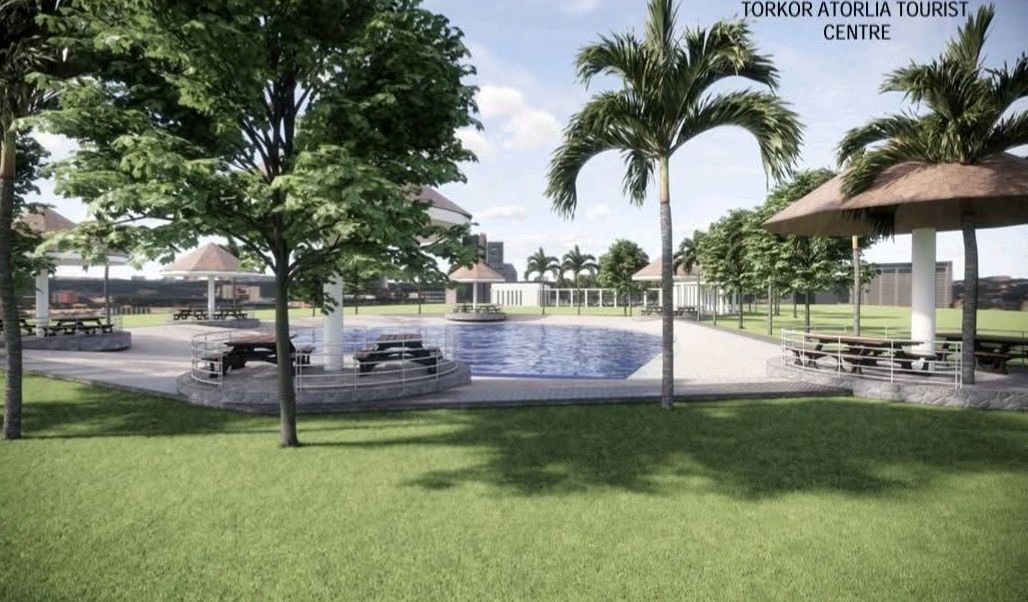
The proposed Torkor Atorlia Museum and Tourist Centre represents a thoughtful approach to cultural preservation. Rather than simply preserving artifacts behind glass, the project aims to create an immersive experience that tells the story of the Anlo people to both Ghanaian citizens and international visitors. The complex would feature a museum with carefully curated artifacts displayed in specially designed cabinets, accompanied by trained guides capable of explaining their historical and cultural significance. An adjacent library would house books on Anlo and Ewe history, including works sourced from international historians, creating a resource center for researchers and students alike.
Beyond preservation, the project incorporates practical elements designed to ensure its sustainability and community benefit. A conference hall would host lectures, student programs, and cultural events, while ancillary facilities including offices, toilets, stores, and covered walkways would support daily operations. The inclusion of a proposed iconic sculpture adds an artistic dimension that could become a landmark in its own right.
Perhaps most significantly, the developers have designed the site to take visitors on an intentional journey through Anlo history and culture. The experience would begin at a modern reception complex and proceed through various exhibits before concluding at “ɣetiƒo”—the sacred pond traditionally used in post-judgment cleansing rituals. Along the way, visitors would encounter a corridor lined with sculpted busts of past Awoamefias (Anlo rulers), accompanied by guided tours detailing their reigns and contributions to Anlo society.
This approach to heritage presentation—combining physical preservation with educational programming and thoughtful spatial design—reflects an evolving understanding of how cultural sites can serve contemporary communities. Rather than treating history as a static artifact to be merely observed, the Torkor Atorlia project envisions a dynamic space where past and present engage in meaningful dialogue. Visitors wouldn’t just see objects; they would learn about the social, political, and spiritual contexts that gave those objects meaning.
The project’s developers emphasize that this initiative transcends typical infrastructure development. As Silas Aidam, Secretary of the Torkor Atorlia Project Committee, stated, the center will be “more than a project”—it will serve as “a legacy to preserve Anlo history, values, and identity, while welcoming visitors to experience one of Ghana’s foremost cultural treasures.” This perspective recognizes that cultural heritage projects derive their true value not from their physical structures alone, but from their ability to strengthen community identity, foster intercultural understanding, and create sustainable economic opportunities.
The involvement of respected professionals—including surveyor Dr. John Amaglo, architect Leo Amedume, and quantity surveyor Carl Banini—suggests a commitment to both technical excellence and cultural sensitivity. Their expertise ensures that the development will respect the site’s historical integrity while meeting modern standards for accessibility, safety, and visitor experience. This careful balance is essential for projects that seek to honor tradition while accommodating contemporary needs.
For the Anlo people and Ghana more broadly, the Torkor Atorlia project offers a model for how cultural heritage can be leveraged as a tool for sustainable development. By preserving historically significant sites while making them accessible and relevant to contemporary audiences, nations can honor their past while building foundations for future prosperity. The project recognizes that cultural heritage is not merely about preserving old objects or sites—it’s about maintaining living connections to traditions, values, and identities that continue to shape communities today.
As Ghana continues to develop its cultural tourism sector, initiatives like the Torkor Atorlia Museum and Tourist Centre demonstrate how thoughtful development can serve multiple purposes simultaneously: preserving historical memory, educating current and future generations, creating economic opportunities, and strengthening community pride in cultural heritage. In an era where globalization often threatens to homogenize cultural experiences, such projects play a vital role in maintaining the diversity and richness of human cultural expression.
The project also addresses a critical challenge facing many African nations: how to manage cultural heritage in ways that benefit local communities rather than simply extracting value for external consumers. By emphasizing local participation—with plans to “have all sons and daughters of Anloland contribute their quota towards its realisation”—the initiative seeks to ensure that the economic benefits of tourism remain within the community. This community-centered approach helps prevent the creation of “enclave tourism” where visitors spend little in local economies while enjoying cultural attractions.
Furthermore, the focus on education through the library and conference hall components positions Torkor Atorlia as more than just a tourist destination. By creating resources for research and spaces for dialogue, the project invests in intellectual capital that can benefit generations to come. This educational dimension transforms the site from a passive attraction into an active center for cultural production and knowledge sharing.
As development plans progress, the Torkor Atorlia initiative stands as a testament to the potential of culturally grounded development—one that honors the past while building capacity for the future. It suggests that when communities are empowered to steward their own heritage, the results can be both culturally enriching and economically sustainable, creating virtues that extend far beyond the immediate project site to benefit the nation as a whole.
Image Source: GHANA BUSINESS NEWS