AfDB Projects 5% GDP Growth for Ghana as Macroeconomic Indicators Strengthen
The African Development Bank has projected that Ghana’s economy will expand by 5.0 per cent in 2026, a forecast that exceeds the estimates previously set by both the International Monetary Fund and the World Bank and signals growing confidence in the country’s macroeconomic recovery.
The projection, contained in the bank’s flagship 2026 African Economic Outlook Report released this week, places Ghana among the stronger-performing economies in West Africa. Growth is expected to accelerate further to 5.4 per cent in 2027, building on what the AfDB describes as improving domestic resilience across multiple sectors.
The forecast arrives at a significant moment. Ghana has spent the past three years navigating a painful debt restructuring, an IMF bailout, and the lingering effects of a currency crisis that eroded purchasing power across the country. The AfDB’s optimistic outlook suggests those difficult measures are beginning to yield returns.
The numbers tell a story of gradual stabilisation. Inflation is projected to end 2026 at 9.0 per cent — a notable moderation from the double-digit figures that defined the cost-of-living crisis of 2022 and 2023, though still above the current headline rate of approximately 3 per cent. The fiscal deficit is expected to narrow from 2.6 per cent of GDP this year to 2.2 per cent in 2027, pointing to disciplined government spending and improved revenue collection.
The external accounts present perhaps the most encouraging picture. Ghana is forecast to maintain a current account surplus of 3.0 per cent of GDP in 2026, moderating slightly to 2.7 per cent the following year. That sustained surplus reflects the country’s strong commodity export base, particularly in gold, cocoa and oil, and provides a buffer against the global economic uncertainties that continue to cloud the outlook for developing nations.
Finance Minister Dr Cassiel Ato Forson has pointed to these trends as evidence that Ghana is moving from unsustainable debt to moderate risk for the first time since 2013, a claim that the AfDB’s independent assessment appears to support.
West Africa as a region is projected to grow by an average of 4.7 per cent in 2026, driven by strong agricultural output, expanding agro-processing industries and sustained investment in infrastructure, energy grids and cross-border transport networks. Ghana’s above-average performance within that regional context underscores the impact of the fiscal consolidation programme the government has pursued since entering its IMF arrangement.
The AfDB’s president has previously called for Africa’s development trajectory to be shaped by African ambition and leadership, a vision that the bank’s own economic data appears to validate in Ghana’s case. The question now is whether the country can sustain this momentum through what remain uncertain global conditions.
The bank has flagged several downside risks that could derail the positive trajectory. Rising geopolitical tensions, elevated global crude oil and fertiliser prices, and persistent disruptions to international supply chains all pose threats to African economies, including Ghana’s. The AfDB has urged finance ministries across the continent to strengthen domestic resource mobilisation, deepen intra-continental trade under the African Continental Free Trade Area, and improve public fiscal management to reduce exposure to external shocks.
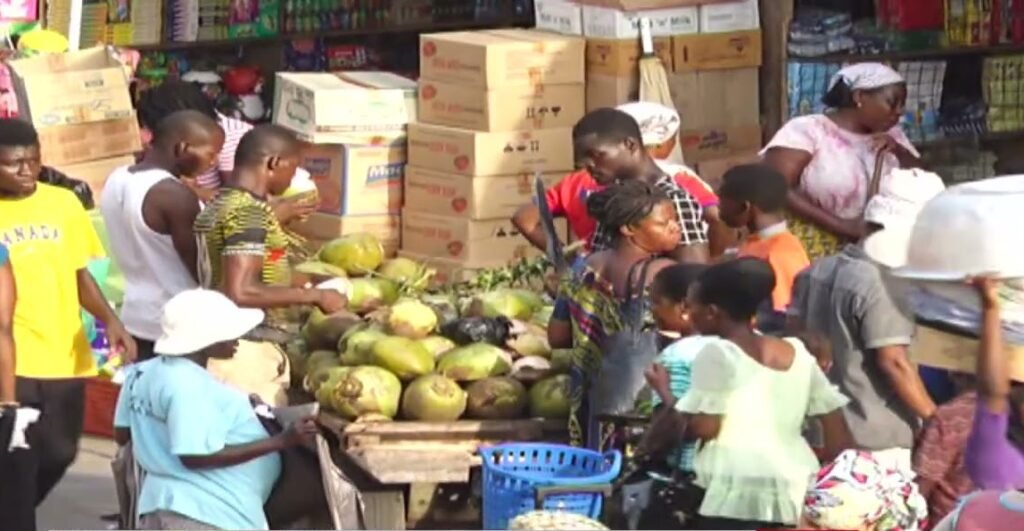
For Ghana, the challenge is converting macroeconomic gains into tangible improvements in the lives of ordinary citizens. A 5 per cent growth rate is encouraging on paper, but the country still faces significant gaps in infrastructure, healthcare and employment. The true test of this recovery will not be found in projection tables but in whether Ghanaians feel the difference in their daily lives.
Image Source: MYJOYONLINE