AfDB President Declares Africa’s Development Must Be Shaped by African Ambition and Leadership
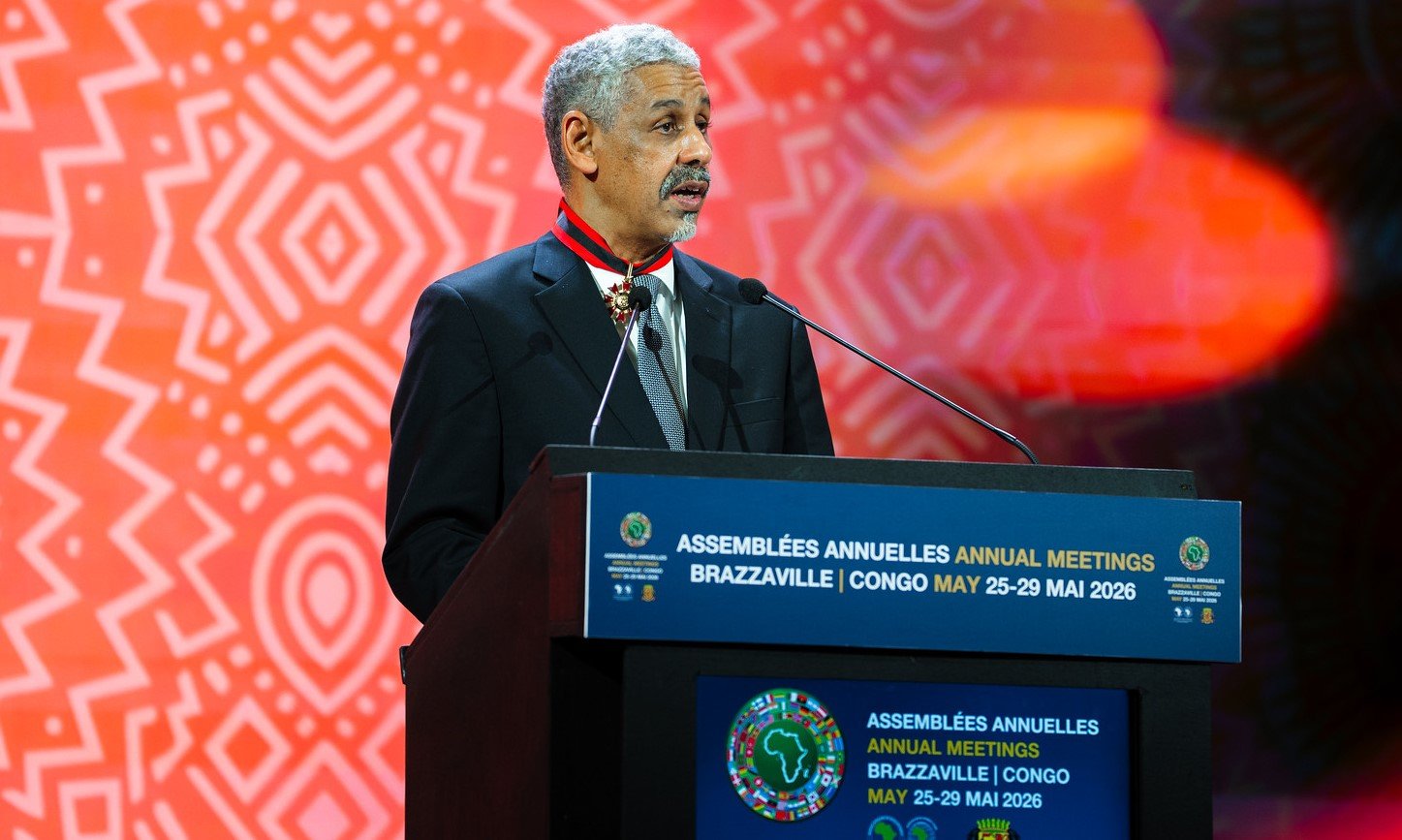
The President of the African Development Bank, Dr Sidi Ould Tah, has delivered a forceful call for the continent to take greater ownership of its development trajectory, declaring that Africa’s future must be shaped by African ambition, African institutions and African leadership.
Speaking at the opening of the 2026 Annual Meetings of the AfDB in Brazzaville, Congo, Dr Ould Tah laid out a vision for a continent that leverages its vast resources and demographic weight to chart its own economic course, rather than relying on external frameworks that have historically failed to deliver transformative results.
“For more than sixty years, this Bank has stood by the continent through its moments of hope, its periods of turbulence, its profound transformations and its waves of renewal,” Dr Ould Tah told delegates. “It has helped to build roads and electricity grids, supported farmers and entrepreneurs, built capacity and connected economies.”
But perhaps even more importantly, he added, the Bank has helped to foster a conviction: that Africa’s development must increasingly be determined by its own people and institutions.
The AfDB president framed his address around what he described as three defining paradoxes of modern Africa. The first, he said, is the paradox of size without commensurate economic influence. Africa accounts for roughly 18 per cent of the world’s population, holds over 30 per cent of its mineral resources and more than 60 per cent of its unexploited arable land. Yet the continent contributes only around three per cent of global trade and between three and four per cent of global GDP.
The second paradox is one of financing. The continent faces an estimated annual financing requirement of more than $400 billion to drive its structural transformation. At the same time, Africa holds over $4 trillion in domestic savings and assets, spread across banks, pension funds, insurance companies and sovereign wealth funds. The gap between what is needed and what is available domestically points to a fundamental challenge in mobilising capital effectively.
The third paradox, Dr Ould Tah argued, is one of opportunity. Africa needs between $130 billion and $170 billion annually to meet its infrastructure needs, with a funding shortfall estimated at between $68 billion and $108 billion each year. Yet the continent offers some of the world’s most compelling investment prospects in energy, logistics, digital infrastructure, food systems and critical minerals. Despite this, it remains one of the least-funded regions in the global economy.
Dr Ould Tah pointed out that the debate over Africa’s potential is settled. “The real question now is whether Africans themselves are capable of transforming the continent’s assets into productive investment, jobs, value creation and economic influence,” he said.
The AfDB’s own research underscores the scale of untapped potential. As the Bank has previously noted, Africa could generate as much as $125 billion in additional annual revenue simply by shifting a significant share of economic activity from the informal sector to the formal one. That figure alone dwarfs the annual development assistance the continent receives from external donors.
Dr Ould Tah also placed Africa’s development challenges in the context of a rapidly shifting global landscape. The COVID-19 pandemic disrupted supply chains, conflicts have reshaped trade routes and energy markets, and rising interest rates have increased the cost of capital for African economies. Official development assistance has fallen sharply, and geopolitical fragmentation has returned to the forefront of international relations.
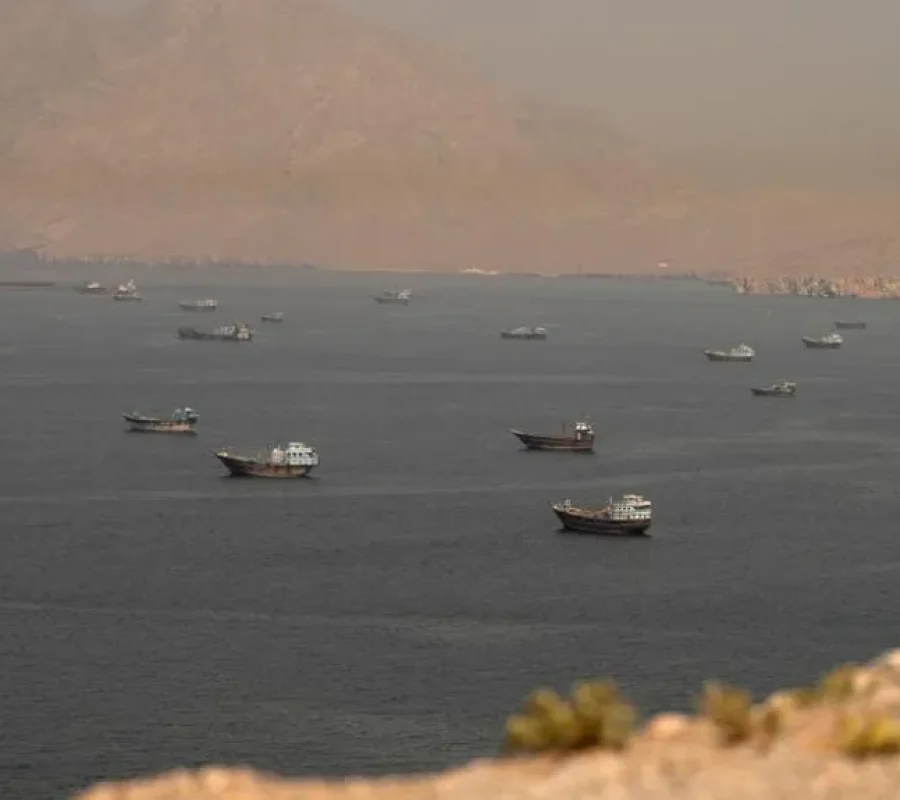
Yet amid these upheavals, he argued, Africa’s strategic importance has never been greater. From the Suez Canal to the Cape of Good Hope, from the Bab el-Mandeb Strait to the critical mineral corridors fuelling the global energy transition, the continent has become central to the way the world thinks about logistics, energy security and future growth.
“The world is gradually rediscovering what Africa has always known: geography still matters,” Dr Ould Tah said. “And yet, the most significant change may not be external. It is internal.”
The 2026 Annual Meetings, held under the theme “Mobilising Africa’s Development Financing at Scale in a Fragmented World,” continue through May 29 in Brazzaville.
Image Source: GHANA BUSINESS NEWS