CIKOD launches Ghana Universities Movement for Agro-Ecology at DHLTU
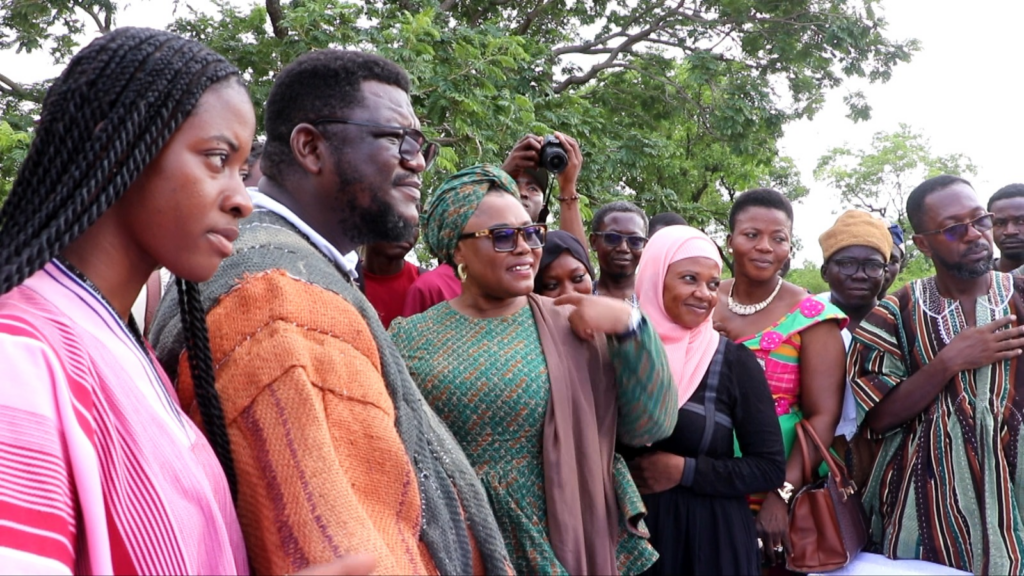
The launch of the Ghana Universities Movement for Agro-Ecology (GUMA) at Dr. Hilla Limann Technical University (DHLTU) marks a significant step toward integrating sustainable agricultural practices into higher education and fostering food sovereignty in Ghana. The initiative, spearheaded by the Centre for Indigenous Knowledge and Organisational Development (CIKOD), seeks to bridge academic learning with traditional ecological knowledge, emphasizing that agroecology is not merely a farming technique but a political and cultural movement aimed at reclaiming control over land, seeds, and food systems.
The event, held during DHLTU’s Student Representative Council week, featured a debate competition on whether tertiary institutions should ban AI tools—a topical discussion that underscored the university’s engagement with contemporary technological challenges. Integrity Hall emerged victorious in the debate, which saw students critically examining the role of artificial intelligence in education.
CIKOD’s director highlighted the vision behind GUMA, describing it as “the planting of a seed that will grow into a vibrant forest of ideas, practices, and movements that will transform our food system and our future.” He emphasized that agroecology encompasses culture, identity, and sovereignty, framing it as a political act to counter systems that exploit natural resources and marginalize communities. This perspective aligns with growing global recognition that sustainable food systems must be rooted in local knowledge and community empowerment.
The movement’s origins trace back to students who completed industrial attachments at CIKOD the previous year. Inspired by their experiences, these students embraced the concept of food sovereignty and established the first university chapter of GUMA. A patron from the University for Development Studies (UBIDS) chapter echoed this sentiment, stating, “If you fail to eat what you grow, then you lose your identity,” and encouraged students, particularly men, to learn traditional cooking techniques such as preparing TZ and tubani to address gender imbalances in culinary practices.
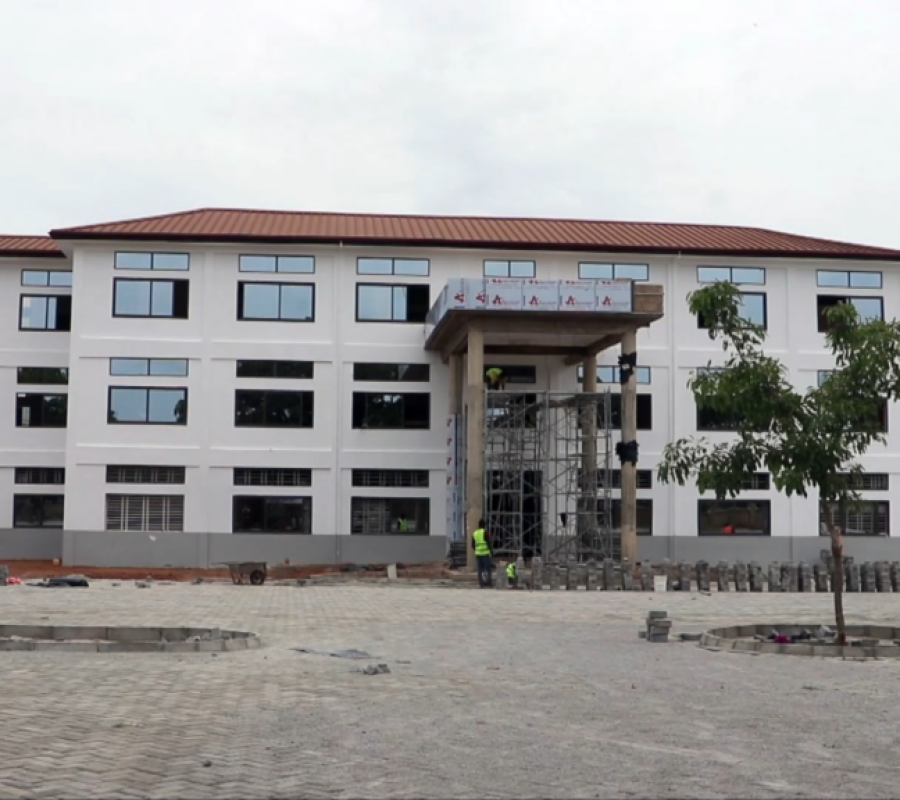
Academic integration is a cornerstone of GUMA’s strategy. DHLTU has admitted 10 students into a new MSc in Agroecology and Food Systems program and is launching TVET programmes in agroecological systems in June 2026. The Vice-Chancellor of DHLTU affirmed that agroecology “lives in” the institution, signaling a commitment to embedding these principles across curricula and vocational training.
The launch also featured a vibrant cultural and exhibition showcase. The Industrial Art Department displayed leather crafts, traditional smocks made from up-cycled sacks, and a bamboo bicycle. Student unions performed cultural dances, including performances by the Konkonba Students Union (KONSU), Nandom Students Union (NANSU), and Dagomba Students Association. A symbolic goat-killing act performed solely with the mouth by the Sissala Students Union drew attention, as did a traditional food exhibition toured by dignitaries such as the Vice-Chancellor, CIKOD Director, and the Regional Director of the Ghana Tourism Authority.
The Ghana Tourism Authority’s regional director remarked qüoted that modernity should not replace culture and tradition, but rather that gastronomy has become a major economic driver globally. He urged students to augment traditional practices with innovation and to pursue entrepreneurship in food-tourism experiences centered on indigenous ingredients like dawadawa and shea butter.
GUMA’s multifaceted approach—combining academic programs, vocational training, cultural preservation, and entrepreneurial empowerment—aims to create a holistic model for sustainable development. By situating agroecology within universities, the movement seeks to equip future leaders with the technical skills, sustainability values, and cultural respect needed to transform Ghana’s agricultural landscape. The initiative also serves as a replicable framework for other institutions seeking to advance food sovereignty and ecological resilience through education and community engagement.
Image Source: MYJOYONLINE