Cape Coast: Toddler confirmed dead, 2 injured as rain induced mudslide destroys homes
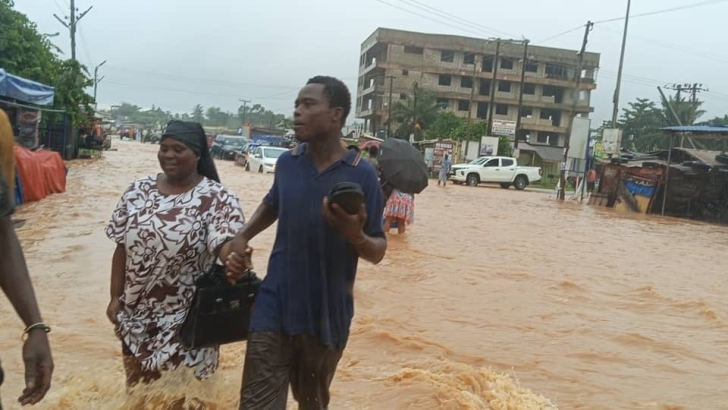
When the rains came to Cape Coast on June 21, 2026, they brought more than just flooding. In the hillside community of Tantri, a sudden mudslide claimed the life of 20-month-old Hanson Mensah, left two others with severe injuries, and destroyed three homes. The incident, triggered by hours of relentless rain, has exposed the city’s vulnerability to environmental neglect and the urgent need for sustainable urban planning.
The mudslide struck around 4:45 p.m., as a weakened hillside gave way, sending a torrent of debris onto structures below. Rescue efforts were swift and community-driven, with residents rushing to pull victims from the rubble before emergency services arrived. Hanson was declared dead on arrival at Ewim Polyclinic, while 17-year-old Ella and 25-year-old Maame Badua suffered serious injuries. Elizabeth Kyerede, 43, and Richard Joachim, the family head, were also injured but rescued without life-threatening harm.
The aftermath painted a familiar picture of a city struggling with its infrastructure. Flooding had already inundated roads, homes, and the University of Cape Coast campus in the days prior, with residents pointing to choked drains, uncontrolled development in flood-prone zones, and plastic waste clogging waterways as root causes. “The situation was one of the most challenging rainstorms experienced in recent months,” said one resident. Community leaders called for intensified desilting exercises and long-term drainage solutions before the rainy season peaks.
This tragedy is not isolated. Cape Coast has faced repeated flooding incidents, each highlighting the same systemic failures. In 2020, a similar disaster displaced dozens of families in the Abrampa area, and in 2022, torrential rains swept away homes in the Eyifua corridor. Each event prompted temporary relief efforts, yet little changed in terms of long-term prevention. The mudslide underscores the danger of building on steep slopes without proper reinforcement and the consequences of neglecting drainage maintenance. As climate change intensifies rainfall patterns, cities across Ghana must invest in resilient infrastructure—not just to prevent property loss, but to save lives.
The response from officials has been prompt but insufficient. Cape Coast Metropolitan Chief Executive George Justice Arthur visited the bereaved family to offer condolences and pledged support. The Ghana National Fire Service assisted in rescue operations. Yet, without concrete action to address the underlying issues, such visits risk becoming mere rituals after each disaster. True leadership requires moving beyond sympathy to enacting and enforcing building codes that prohibit construction on high-risk slopes, investing in stormwater management systems, and holding developers accountable for environmental impact assessments.
The path forward requires a multi-pronged approach. Municipal authorities must prioritize regular desilting of drains, retrofit vulnerable structures, and enforce sustainable waste management to keep waterways clear. Residents, too, have a role: avoiding construction on steep slopes during heavy rains and reporting blocked drains promptly. Only through coordinated effort can Cape Coast hope to break the cycle of preventable tragedies and build a safer future for its citizens. As one environmental activist noted, “We cannot keep treating the symptoms while ignoring the disease. The time for half-measures is over.”
Image Source: MYJOYONLINE