France bans alcohol at music festival events under red heatwave alert
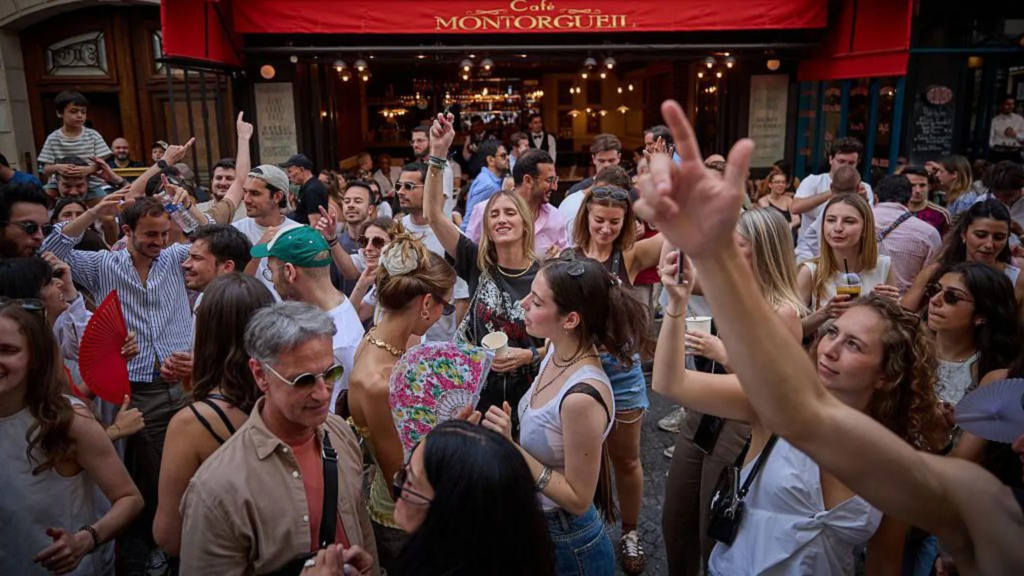
France’s decision to ban alcohol at state-organized music festivals during an extreme heatwave is a sobering reminder of how climate change is forcing governments to rethink public safety protocols. As temperatures climb to unprecedented levels across Western Europe, the French government’s prohibition on alcohol at events like the Fête de la Musique is not merely a precaution—it is a necessary intervention to prevent overwhelmed emergency services and protect vulnerable populations.
The measure, announced by Prime Minister Sébastien Lecornu’s office, comes as a red heatwave alert blankets much of the country, with temperatures expected to reach 41°C (106°F) in some regions. For the annual summer-solstice celebration, which typically draws over two million revelers in Paris alone, the absence of alcohol at state-run events marks a significant departure from tradition. Yet the rationale is clear: alcohol consumption exacerbates dehydration and impairs judgment, increasing the risk of heat-related illnesses and accidents when medical resources are already stretched thin.
This is not the first time France has grappled with the intersection of extreme weather and public gatherings. In recent years, heatwaves have led to tragic losses, most notably the 2003 event that claimed an estimated 15,000 lives. While today’s early warning systems and emergency responses are far more sophisticated, the fundamental challenge remains: how to balance cultural traditions with escalating environmental risks. The alcohol ban represents a targeted strategy to reduce strain on hospitals and ambulance services, allowing medical personnel to focus on treating heatstroke, dehydration, and other climate-related ailments.
Critics may argue that such measures infringe on personal freedoms or dampen the festive spirit. However, the ban applies only to state-organized events, leaving private celebrations unaffected. Moreover, the government has paired the restriction with proactive alternatives: extending park hours, promoting hydration stations, and urging citizens to seek cool indoor spaces during peak heat. These complementary measures acknowledge that public health interventions work best when they offer practical solutions rather than mere prohibitions.
The decision also underscores a broader truth about climate adaptation: as extreme weather becomes more frequent, governments must move beyond reactive disaster response to preventive policymaking. Heat action plans that include modifications to public events—such as adjusting timing, providing shade, and regulating substance use—are increasingly essential tools in the public health arsenal. France’s approach could serve as a model for other nations facing similar challenges, from Japan’s sweltering summers to the American Southwest’s intensifying heat domes.
Ultimately, the alcohol ban is less about restricting enjoyment and more about preserving the capacity to enjoy future summers. By safeguarding emergency services today, France ensures that when the mercury eventually drops, its communities will still be able to gather, celebrate, and make music together. In an era of climate uncertainty, such foresight is not just prudent—it is essential for societal resilience.
Image Source: MYJOYONLINE