Historic Ghana Conference Demands Accountability: Nations of the Transatlantic Slave Trade Urged to Offer Formal Apologies and Reparations

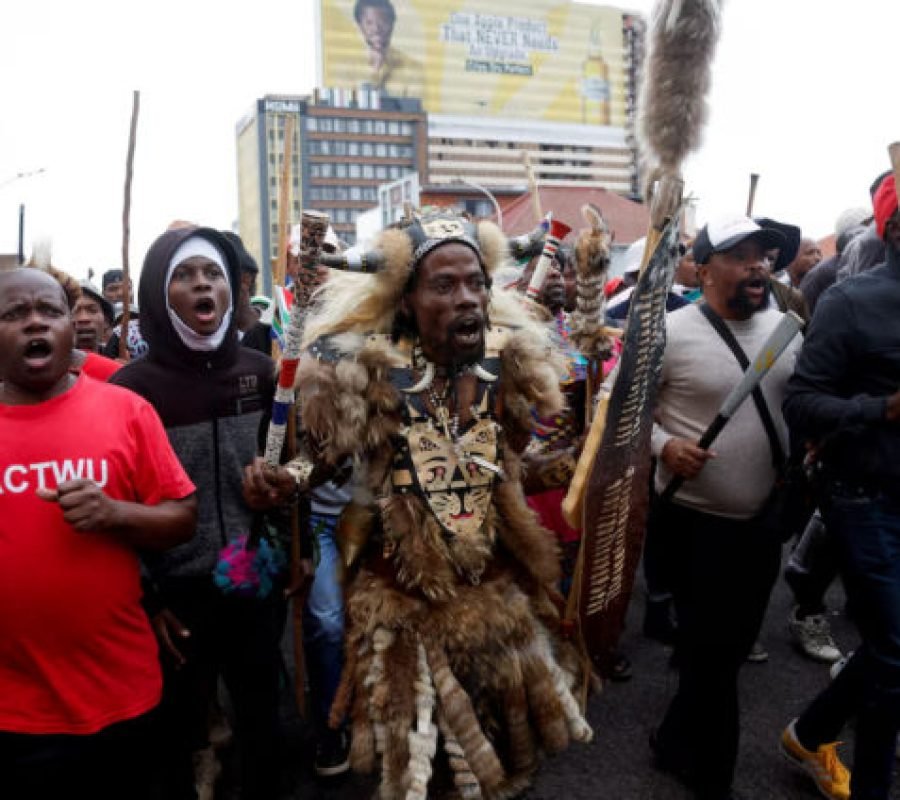
A historic conference in Ghana has reignited the global debate over accountability for the transatlantic slave trade, demanding that nations that participated in or profited from this heinous enterprise offer formal apologies and financial reparations. Held on June 21, 2026, at the Accra International Conference Centre, the gathering of historians, activists, scholars, government representatives, and survivors’ advocates underscored the enduring psychological, economic, and social wounds inflicted on descendants of enslaved Africans, declaring that accountability is no longer optional but inevitable—a moral imperative that has lingered for centuries.
The conference laid bare the scale and brutality of the transatlantic slave trade: from the 15th to the 19th centuries, an estimated 12.5 million Africans were forcibly removed from their homes, with over 10 million surviving the harrowing Middle Passage to the Americas. Ghana’s coastal forts—Cape Coast and Elmina, both UNESCO World Heritage Sites—stood as grim waypoints where the enslaved were imprisoned in dungeons, subjected to dehumanising conditions, and prepared for the transatlantic voyage. Though abolition gained momentum in the late 18th century and was formalised in the 19th, its aftermath has left indelible scars: systemic inequality, economic disparity, political marginalisation, and cultural erasure persist across generations, manifesting in wealth gaps, educational disparities, and ongoing struggles for recognition and dignity.
As Professor Akosua Adomako Ampofo, a renowned historian, declared during the opening plenary, “Reparations are not merely symbolic; they are a necessary step toward healing and equity.” The gathering’s demands were clear and comprehensive: formal apologies from former slave-trading powers, the creation of a multi-billion-dollar reparations fund, the restitution of stolen cultural heritage, mandatory educational reforms to teach the full history of the slave trade, and increased investment in African development to address the structural inequities rooted in colonial exploitation.
The call for apologies targets nations such as the United Kingdom, France, Portugal, Spain, the Netherlands, and the United States. Participants stressed that verbal expressions of regret fall far short; official, nation-state acknowledgments—delivered through legislative or parliamentary acts—are essential to acknowledge state responsibility and combat historical denial. Financial reparations must be substantial and sustained, administered through a transparent, co-managed fund involving Ghana, other affected African nations, and diaspora representatives. This fund would direct resources toward education, healthcare, infrastructure, and economic empowerment programmes designed to break intergenerational cycles of poverty.
Cultural restitution remains a critical and emotionally resonant pillar. Delegates urged the immediate return of artifacts, sacred objects, manuscripts, and artworks looted during colonialism and currently housed in museums and private collections across Europe and North America. From the Benin Bronzes to ancestral spiritual items, these objects embody cultural identity, spiritual continuity, and historical truth. Their return is a prerequisite for genuine reconciliation and the restoration of dignity.
Educational reforms seek to correct pervasive distortions that have long dominated global narratives. The conference advocated for mandatory inclusion of the full, unvarnished history—encompassing African agency, resistance, and the profound consequences of enslavement—in school curricula worldwide. By centering African voices and experiences, such education aims to dismantle racist myths, foster empathy, and equip future generations with the knowledge needed to build just societies. Complementary initiatives include teacher training programmes and support for African-led research initiatives.
Finally, the conference urged increased foreign aid, debt relief, and direct investment in African infrastructure, renewable energy, and technology—not as charity, but as restorative justice. Centuries of exploitation drained the continent of its human and natural resources, leaving structural gaps that continue to hinder development. Targeted investment in sectors such as sustainable energy, broadband connectivity, and value-added agriculture would help address the developmental inequities exacerbated by the slave trade and colonialism, fostering self-sufficiency and resilience.
Ghana’s position was unequivocal and morally resonant. President Nana Akufo‑Addo declared reparations a “moral and economic necessity,” noting that the nation’s own forts and museums serve as stark reminders of its complex history. By backing the conference’s agenda, the government positioned Ghana as a leader in African independence and a symbol of resilience. Yet challenges remain: while Germany and the Netherlands have established precedents with partial apologies and funds for Holocaust survivors, major powers like the United States and United Kingdom have been slow to commit to formal apologies or substantial financial reparations.
This pursuit of accountability echoes domestic efforts to address systemic injustices, such as the [recent exposé by two NDC ministers who revealed widespread abuses in the justice system](/a-bold-stand-how-two-ndc-ministers-exposed-justice-system-abuses-and-why-their-silence-demands-scrutiny).
The conference was more than a diplomatic event; it was a call to action. As attendees stressed, the fight for reparations is about recognition, dignity, and restoring a stolen future—not just monetary compensation. It is about acknowledging the profound contributions of enslaved Africans to global wealth, confronting the lingering legacies of racism and inequality, and building a global order rooted in justice and equity. With growing global conscience signalling that accountability is inevitable, the remaining question is not if, but when and how boldly the world will answer.
Image Source: GHAMMAMA