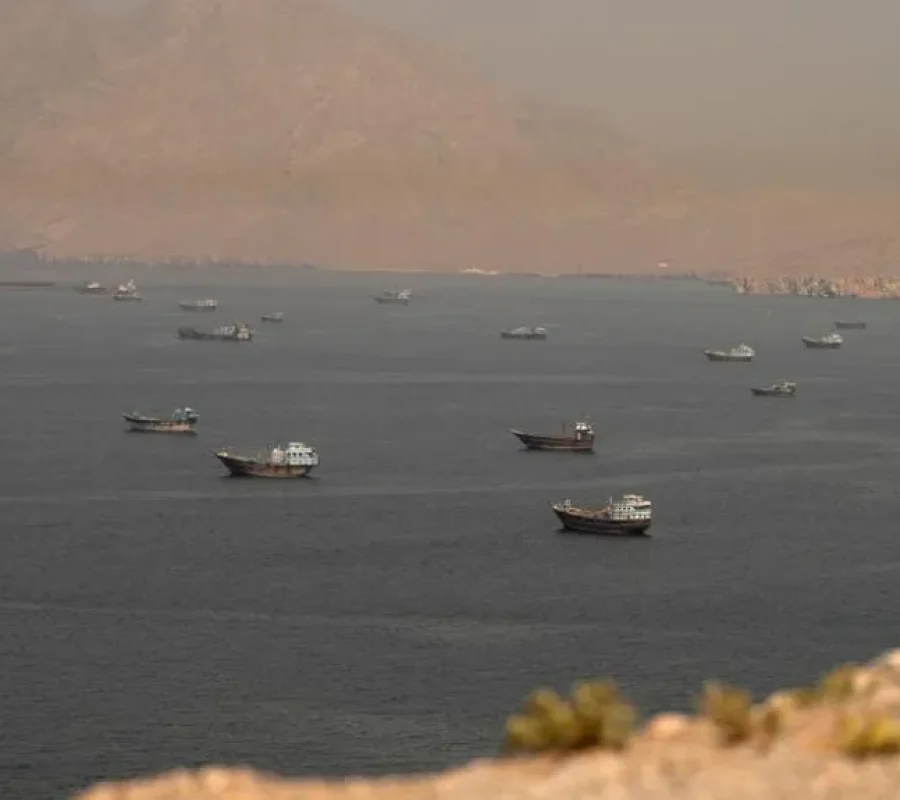
El Nino Under Way and Threatens Weather Extremes, Scientists Warn
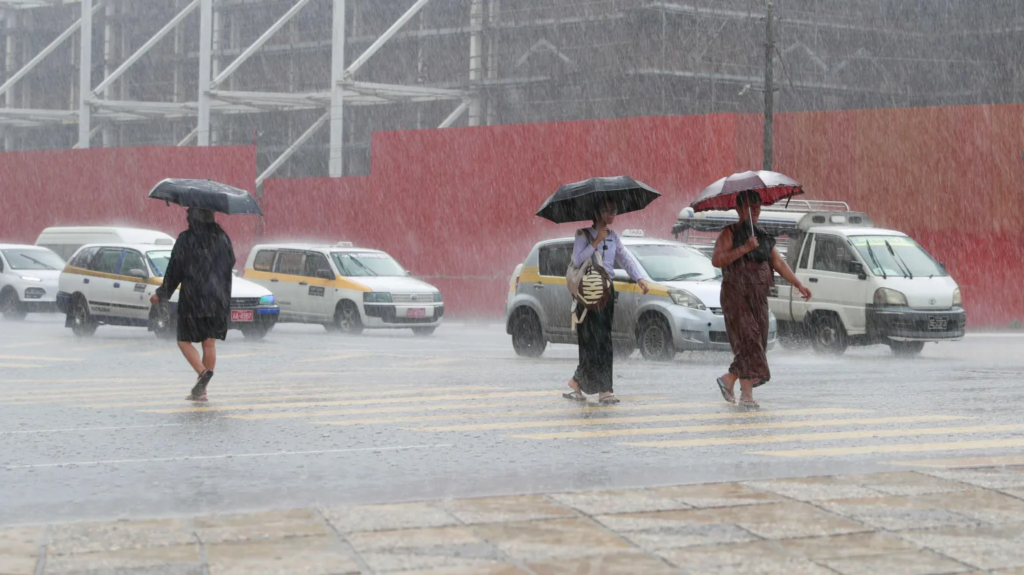
El Niño, the natural Pacific weather phenomenon that drives up global temperatures and disrupts weather patterns across the tropics, has officially begun, according to the United States National Oceanic and Atmospheric Administration. The announcement, while long anticipated, carries implications that extend far beyond meteorological circles — threatening food supplies, economies, and the lives of millions of people in some of the world’s most vulnerable regions.
NOAA confirmed that sea surface temperatures in the central and eastern equatorial Pacific have crossed the 0.5°C-above-average threshold that defines an El Niño event. What has caught researchers off guard, however, is not the onset itself — forecasters have expected it since the cooler counterpart, La Niña, faded at the end of last year — but the speed with which computer models have converged on a prediction of exceptional strength.
According to NOAA’s June outlook, there is a 63 per cent chance of a “very strong” El Niño developing between November and January, one that would rank among the largest events in the historical record dating back to 1950. Some of the latest American and European models go further, suggesting temperatures in the tropical Pacific could climb more than 3°C above average by year’s end. If those projections hold, the event could rival or surpass the super El Niños of 1982–83, 1997–98, and 2015–16.
The immediate concern is not the ocean warming itself but what it means for a planet already under severe thermal stress. A very strong El Niño typically lifts global air temperatures by around 0.2°C, releasing enormous quantities of heat stored in the ocean into the atmosphere. That additional pulse arrives on a world that has been consistently shattering temperature records. The year 2024, boosted by a relatively modest El Niño, became the warmest on record. Despite the cooling influence of La Niña, 2025 still ranked as the third warmest year — hotter even than the super El Niño year of 2016.
“We do need to worry about the impacts,” said Professor Adam Scaife, head of monthly to decadal prediction at the UK Met Office. “The current El Niño is riding on top of a substantial amount of global warming. This means that the actual temperatures in affected regions could well be unprecedented, as the warming from El Niño is being topped up by climate change.” Scientists now expect that 2027 could bring another year of global temperatures exceeding 1.5°C above pre-industrial levels.
No two El Niños are identical, but the disruption is felt most acutely in the tropics. Flooding is common in northern Peru and southern Ecuador and can extend to parts of East Africa, Central Asia, and the southern United States. Simultaneously, the risk of drought and wildfire rises across much of Australia, Indonesia, and northern South America, threatening agriculture and global food stocks.
For Africa, the implications are particularly stark. Mohamed Adow, director of the campaign group Power Shift Africa, described the El Niño declaration as far more than a weather forecast. “For millions of people it is a deadly siren to be feared,” he said. “It means failed rains, dying crops, rising food prices, and families pushed to the edge yet again. In East Africa especially, this will land on communities already battered by droughts and floods in recent years.”
El Niño also tends to suppress Atlantic hurricane activity, and forecasters already expect a quieter-than-average season. But Professor Liz Stephens of the University of Reading cautioned that this apparent silver lining carries its own risks. “For Central America that leads to a lot less rainfall and potentially drought conditions,” she noted.
Even regions far from the tropics will feel the effects, however faintly. In the United Kingdom, El Niño can tilt the odds towards a mild start and cold end to winter, though the atmospheric links remain loose. Japan’s Meteorological Agency has reached the same conclusion as NOAA, judging that El Niño conditions are firmly in place and intensifying.
For Ghana and West Africa, the onset of El Niño raises particular concerns about agricultural productivity and food prices, given the region’s heavy dependence on rain-fed farming. Recent flooding events, such as those that disrupted academic activities at KNUST, serve as a reminder of how vulnerable the country remains to weather extremes. The coming months will test both national preparedness systems and the resilience of communities already contending with the compounding effects of climate variability.
Image Source: MYJOYONLINE