Fairtrade Africa Launches Farmer-Led Cocoa Rehabilitation to Restore Ageing Ghana Farms
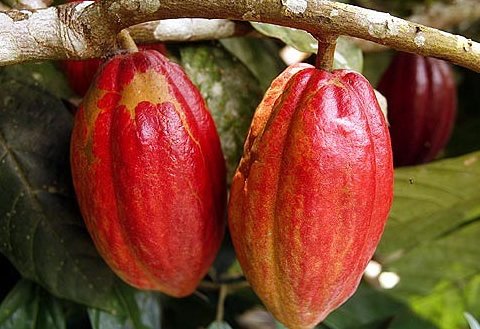
The Fairtrade Africa Network has unveiled a farmer-led cocoa farm rehabilitation programme designed to restore ageing plantations, lift productivity, and curb the relentless advance of cocoa cultivation into Ghana’s forest reserves, at a time when the country’s cocoa sector faces a convergence of declining yields, falling producer prices, and mounting environmental pressures.
The initiative, launched during an EU Deforestation Regulation (EUDR) Farmer Sensitisation Durbar at Goaso, forms part of the broader Partnership for Deforestation-Free Cocoa Supply Chains in Ghana Project. It is funded by the International Climate Initiative (IKI) on behalf of Germany’s Federal Ministry for Economic Affairs and Climate Action, in cooperation with the Federal Ministry for the Environment, Nature Conservation, Nuclear Safety and Consumer Protection.
A Phased Approach to Farm Recovery
Unlike conventional rehabilitation programmes that often demand the complete uprooting and replanting of cocoa farms, the new model allows farmers to restore their land in stages. By retaining some productive trees during the transition, growers can maintain a stream of income while newly planted seedlings mature, a pragmatic design that addresses one of the most common barriers to rehabilitation: the financial sacrifice required during the years before new trees bear fruit.
The programme targets the rehabilitation of 200 hectares of ageing and poorly managed cocoa farms across Suhum, Offinso, Goaso, and Kukuom by 2027, with more than 100 hectares scheduled for completion this year. The rehabilitated farms will serve as demonstration sites for over 14,000 cocoa farmers, who will learn sustainable practices through peer-to-peer knowledge sharing.
A Sector Under Strain
The intervention could hardly be more timely. Ghana’s cocoa sector, long the backbone of the country’s agricultural economy, is under severe strain. Ageing farms, the devastating impact of swollen shoot virus disease, climate variability, and the encroachment of illegal mining have all contributed to a sharp decline in productivity. The difficulties have been compounded by a collapse in international cocoa prices, prompting the government to slash the producer price from GHc51,660 to GHc41,392 per tonne in February, equivalent to GHc2,587 per bag.
Climate-related disruptions are increasingly affecting Ghana’s agricultural sectors, and cocoa is no exception. Rising temperatures and erratic rainfall patterns have made traditional farming methods less reliable, pushing the need for climate-smart approaches to the top of the agenda.
Tackling the Root Causes of Deforestation
Dr Philip Neri Zuobog, Programme Manager of the Partnership for Deforestation-Free Cocoa Supply Chains in Ghana, framed the rehabilitation effort as a direct response to one of the most destructive cycles in Ghanaian agriculture.
“We observed that when farmers have low productivity, they are often inclined to expand into new production areas,” he said. “This programme is intended to help them maximise production within their existing farm holdings.”
The logic is straightforward: if farmers can extract more from the land they already cultivate, the economic incentive to clear fresh forest for new plantations diminishes. It is an approach that aligns with the increasingly stringent requirements of the EU Deforestation Regulation and emerging United Kingdom deforestation laws, both of which are becoming prerequisites for access to premium international cocoa markets.
A Broader Coalition
The launch drew participation from a wide coalition of stakeholders, including the European Forest Institute, GIZ, the International Cocoa Initiative, SOCODEVI, the Cocoa Board, the Forestry Commission, the Department of Food and Agriculture, and representatives of the Goaso Traditional Council.
Edward Akapire, Fairtrade Africa’s Head of Region for West Africa, urged farmers to embrace sustainable production and called on traditional authorities to support efforts to combat illegal mining, which continues to threaten cocoa-growing lands across the country.
“Cocoa is the green gold,” Dr Zuobog told farmers. “It is not about how large your farm is, but how well it is managed. If your farm is old, the time to restore it to productivity is now.”
Image Source: GHANA BUSINESS NEWS