Government Pledges Tax Incentives for Factories Established Outside Accra
The Ghanaian government will offer tax incentives to companies and investors who set up factories outside the national capital, Accra, as part of a wider strategy to decentralise industrial development and distribute economic opportunities more evenly across the country.
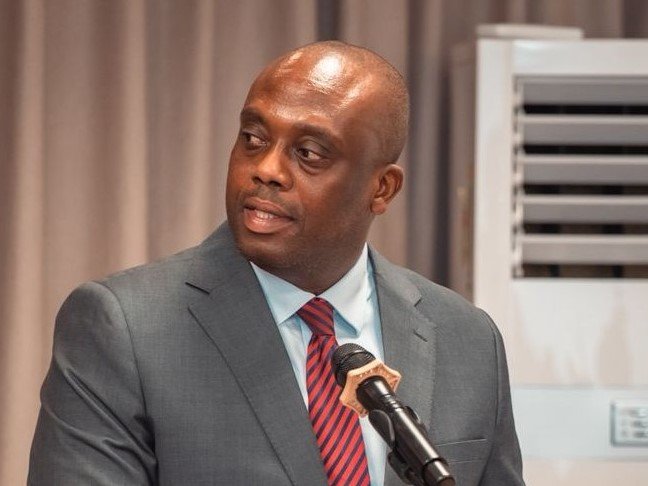
Deputy Minister of Finance Thomas Ampem Nyarko made the announcement when he appeared before Parliament’s Committee on Economy and Development on Tuesday, accompanied by Dr Nii Moi Thompson, Chairman of the National Development Planning Commission. The proposal reflects a growing recognition that the heavy concentration of industry in Accra has fuelled rural-urban migration, choked the capital’s infrastructure, and left large swathes of the country starved of investment.
Mr Nyarko said the initiative would be guided by data-driven policymaking, with incentives targeted at regions where the potential for industrial growth is highest but investment remains low. He emphasised that the tax relief would not be handed out indiscriminately, but structured to attract serious investors willing to commit to sustainable operations and contribute meaningfully to local economies.
The Deputy Minister painted a picture of what he called a deliberate rebalancing. “The concentration of industries in Accra has contributed to congestion and unequal development,” he told the committee. “Government is determined to reverse the trend by encouraging investors to look beyond the capital.”
Dr Thompson outlined the long-term development vision the National Development Planning Commission is preparing, which envisions balanced growth anchored by industrial hubs in strategic locations across all regions. These hubs, he explained, would harness local resources and create employment closer to the communities that need it most, reducing the pressure on young Ghanaians to migrate to Accra in search of work.
The policy extends beyond tax relief alone. Mr Nyarko told the committee that government would complement the incentives with infrastructure development, improved access to credit, and skills training — a suite of measures designed to make locations outside Accra genuinely attractive to investors rather than merely cheaper. The approach mirrors broader calls from Parliament for a review of investment frameworks, including the Free Zones Authority Act, which MPs have urged government to update to better attract and retain capital.
The announcement comes at a time when Ghana is grappling with persistent regional inequalities. Industrial activity remains overwhelmingly concentrated in the Greater Accra and Ashanti regions, while many parts of the north and the Volta Region lag far behind in manufacturing output and formal employment. Previous attempts to encourage decentralised industrialisation have had mixed results, often hampered by poor road networks, unreliable power supply, and limited access to raw materials.
Whether this latest initiative will succeed where others have faltered will depend on execution. Critics of past policies have pointed out that tax incentives alone are insufficient without the foundational infrastructure that makes industrial production viable. The government’s commitment to pairing fiscal incentives with infrastructure and skills development suggests an awareness of those pitfalls, but the real test will be whether the promised investments materialise on the ground.
Mr Nyarko assured the committee that government remains focused on building a resilient economy anchored on data-driven policies and inclusive growth, urging stakeholders to support the long-term plan he described as a blueprint for Ghana’s sustainable development.
Image Source: GHANA BUSINESS NEWS