Can Ghana's Fans Finally Bring Back the Love for a Team So Used to Heartbreak?
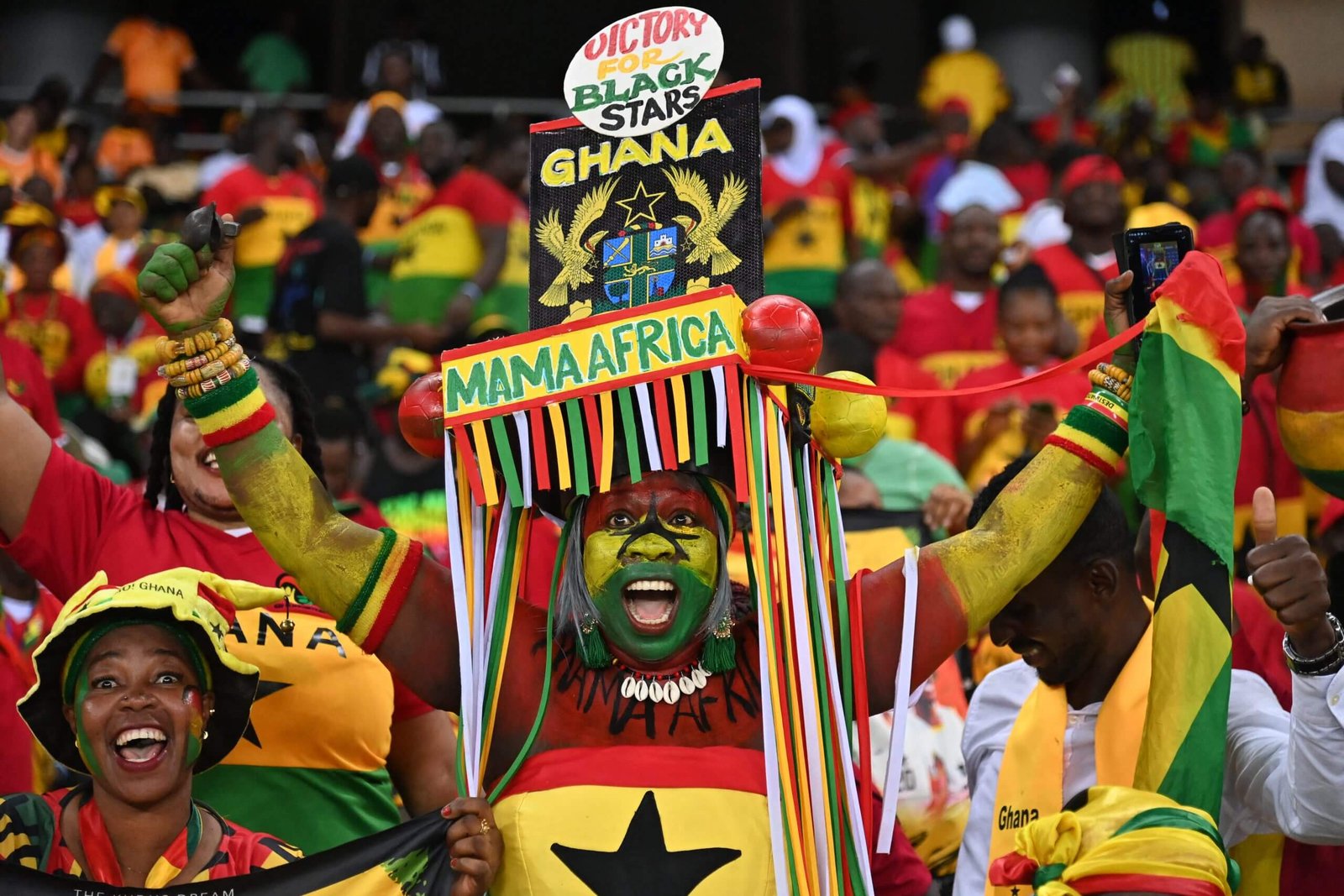
In 2019, the Ghana Football Association issued what amounted to a plea dressed as a marketing slogan: bring back the love. The phrase, born out of a period of administrative turmoil, match-fixing scandals, and repeated tournament disappointments, was meant to signal a fresh start for the Black Stars and their long-suffering supporters. Seven years on, as Ghana prepare to take their place among 48 nations at the 2026 FIFA World Cup in the United States, Canada, and Mexico, the question of whether that love has truly been restored remains as pressing as ever.
The relationship between Ghanaian football fans and their national team has always been complicated. Few nations in Africa can claim a richer footballing heritage — two Africa Cup of Nations titles, a historic run to the World Cup quarter-finals in 2010, and a conveyor belt of talent that has produced players of the calibre of Abedi Pelé, Michael Essien, and Asamoah Gyan. Yet that same history is punctuated by moments of crushing disappointment, from the penalty shootout heartbreak against Uruguay in Johannesburg to group-stage exits and administrative crises that stripped the game of its dignity.
The nadir came in 2014, when Ghana’s World Cup campaign in Brazil descended into farce. Players revolted over unpaid appearance fees, a plane loaded with cash had to be flown from Accra to Brasília, and the team was eliminated in the group stage amid acrimony and finger-pointing. The fallout was severe. Fan disillusionment reached a level that threatened to erode the cultural significance of the national team itself.
The years since have been a gradual, uneven recovery. The appointment of experienced coaches, the emergence of a new generation of players plying their trade in Europe’s top leagues, and a concerted effort by the FA to professionalise its operations have all contributed to a slow rebuilding of trust. Ghana’s qualification for the 2026 World Cup was itself a statement of intent — a reminder that, for all its turbulence, Ghanaian football retains the talent and competitive spirit to compete on the world stage.
But qualifying and performing are two different things. Ghana find themselves in a demanding group, and the challenge facing the current squad is not merely tactical but emotional. With matches against formidable opponents including England, the Black Stars will need more than skill to navigate the tournament. They will need the kind of collective belief that only genuine fan support can provide.
That is where the “bring back the love” campaign takes on renewed significance. Ghanaian football culture has always been about more than results. It is about identity, pride, and a shared sense of belonging that transcends tribal, ethnic, and political divisions. When the Black Stars play well, the entire country breathes differently. When they disappoint, the pain is felt in every household.
The challenge for the current generation of players and administrators is to honour that emotional investment. Fan engagement cannot be a slogan trotted out before tournaments and forgotten afterward. It must be embedded in the way the FA communicates, the way players carry themselves, and the way the team approaches every match — with the humility and intensity that Ghanaian supporters deserve.
Early signs from the training camp in the United States suggest the mood is positive. The squad has bonded over music and shared purpose, and the blend of experienced heads and young talent gives the team a balanced feel. But optimism in camp and results on the pitch are separated by the unforgiving margins of World Cup football.
For Ghana’s fans, the hope is that 2026 will be the tournament where the love affair is reignited — not through a slogan, but through performances that remind the world why the Black Stars remain one of Africa’s most compelling football stories.
Image Source: GHANAMMA