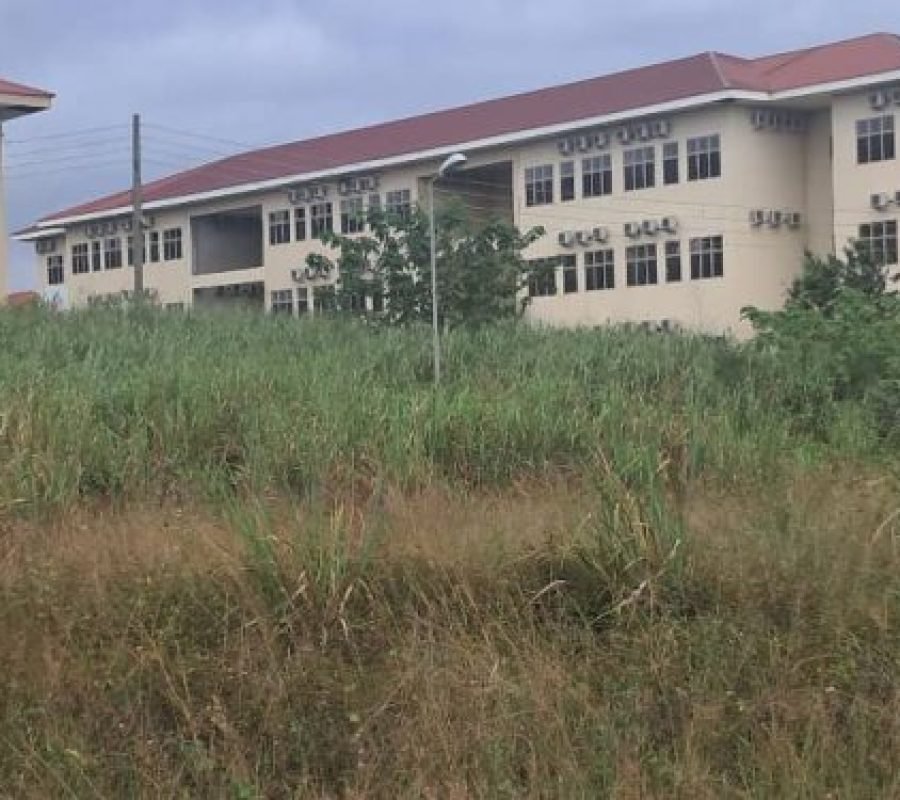
St. Augustine's 2002 Year Group Launches Teacher Accommodation Project to Boost Education

The 2002 Year Group of St. Augustine’s College Past Students’ Union has unveiled an ambitious infrastructure project aimed at tackling one of the most persistent challenges facing second-cycle education in Ghana: the shortage of on-campus housing for teachers.
The project, christened BOLT — Building Opportunities for Learning and Transformation — will deliver a 14-unit accommodation facility for teaching staff at the school’s campus. The initiative is designed to increase teacher presence on campus, improve student supervision, and create an environment more conducive to academic excellence.
At the launch event, Convener Linus Kweku Labik described BOLT as the group’s defining legacy project and laid out the philosophy behind it. “Without teacher motivation, efforts will be inadequate,” he said. “We need our teachers to support mentorship and guide students towards their future aspirations. We believe that increasing accommodation on campus will contribute significantly to the legacy of APSU.”
The project addresses a structural problem that affects many secondary schools across Ghana. Teachers who live far from campus often arrive late, leave early, and are unavailable during emergencies or for after-hours supervision. The consequences ripple through academic performance, student discipline, and the broader culture of learning.
Rev. Fr. Patrick Appiah, the Headmaster of St. Augustine’s College, praised the year group for its initiative and issued a rallying call to other alumni associations and stakeholders. “APSU 2002 cannot do it alone,” he said. “They have already set the tone by raising funds and initiating the project. We want to see it completed by March 2027. Let us come together and celebrate the teacher. We may provide students with every technological tool, including AI, but it is the teacher who facilitates the learning process. The time to act is now, and every contribution counts.”
Regina Naa Kordei Anu, Head of the Languages Department, spoke to the practical benefits of on-campus accommodation. Having teachers on campus, she argued, allows for rapid response to emergencies such as fire outbreaks, student illnesses, and disciplinary incidents. “We believe this project will encourage more teachers to reside on campus and contribute to the areas identified,” she said. “We are extremely grateful to APSU 2002.”
The BOLT project is scheduled for its official launch on 19 June 2026 at the Movenpick Ambassador Hotel in Accra, with the sod-cutting ceremony also serving as the induction of final-year students into the St. Augustine’s College Past Students Union — a dual event that underscores the deepening bond between the school’s alumni network and its current student body.
The initiative arrives at a time when teacher welfare is a subject of growing national debate. The University Teachers Association of Ghana has recently threatened a nationwide strike over delays in the disbursement of book and research allowances, highlighting the broader challenges facing educators at all levels. While the St. Augustine’s project focuses on secondary education, it speaks to the same underlying concern: that Ghana cannot achieve its educational ambitions without meaningfully investing in the people who do the teaching.
Image Source: MYJOYONLINE