Geopolitical Tensions Threaten to Cut Development Aid to Africa, AfDB Warns
Rising geopolitical tensions among the world’s major powers are expected to reduce the flow of official development assistance to Africa, the African Development Bank has warned, adding to the continent’s growing fiscal challenges at a time when its financing needs have never been greater.
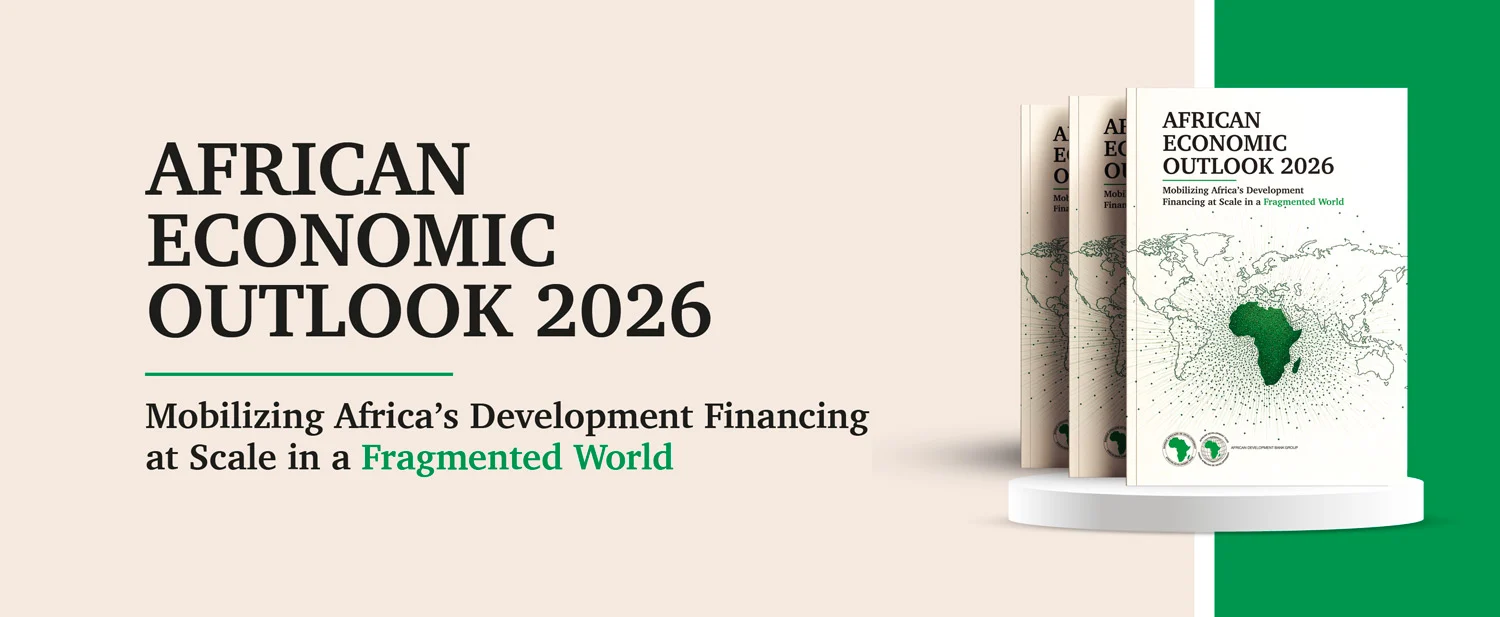
The warning came in the AfDB’s African Economic Outlook 2026, launched during the bank’s annual meetings in Brazzaville, Congo, under the theme “Mobilising Africa’s Development Financing at Scale in a Fragmented World.” The report paints a picture of a continent caught between declining external support and persistent structural vulnerabilities.
In 2024, ODA to Africa rose modestly to $65.9 billion from $61.7 billion the previous year, driven primarily by increased multilateral aid that partially offset cuts by major bilateral donors. But the bank expects this trend to reverse as donor countries redirect resources toward domestic priorities and strategic foreign policy objectives.
“With donors reallocating resources toward domestic and strategic foreign policy priorities, the decline in bilateral aid is likely to persist, and multilateral aid may also come under pressure, since these shifting priorities could reduce contributions to multilateral institutions,” the Outlook states.
The timing is particularly inauspicious. Africa’s total public debt stock reached $1.9 trillion in 2024, up from $1.6 trillion in 2020, as the continent continues to grapple with mounting debt service costs. Escalating geopolitical fragmentation has stoked volatility in global commodity and financial markets, straining fiscal positions and heightening the risk of portfolio flow reversals.
Yet the report also highlights a fundamental paradox in Africa’s relationship with external financing. Over the past five decades, the continent has lost an estimated $1 trillion to illicit financial flows—roughly equivalent to the total ODA it received during the same period. This suggests that even as aid declines, the greater challenge may lie in stemming the outflows that drain the continent’s own resources.
There were bright spots in the 2024 data. Remittances to Africa increased to $104.6 billion from $91.6 billion in 2023, while foreign direct investment rose from $55.4 billion to $97 billion. Net portfolio investment swung from outflows of $1.6 billion to inflows of $22.9 billion—suggesting that private capital markets are increasingly willing to bet on African growth, even as official aid contracts.
But these positive trends carry their own risks. The current global supply chain disruption could weaken labour market conditions in the Middle East, which accounts for 14 percent of African migrant workers, potentially reducing the remittance flows that have become a critical source of external financing for many households and economies.
The AfDB’s overarching message is that Africa must urgently reduce its dependence on external sources and develop domestic mechanisms to finance its own development. This is not a new argument, but the geopolitical context lends it fresh urgency. As the world’s major powers become more inward-looking and strategic competition intensifies, the assumption that development aid will continue to flow at previous levels appears increasingly untenable.
For Ghana, the implications are particularly relevant. The country has been working to stabilise its macroeconomy after a severe debt crisis, and the AfDB recently projected 5 percent GDP growth for 2026—a figure that exceeds forecasts from both the IMF and the World Bank. But sustaining that growth will require significant investment in infrastructure, health and education—precisely the sectors most vulnerable to aid reductions.
The Brazzaville meetings, which run through May 29, are expected to produce concrete recommendations for scaling up Africa’s development financing. Whether those recommendations translate into action will depend on the political will of both African governments and their traditional development partners.
Image Source: GHANA BUSINESS NEWS