Ghana Pitches Anti-Corruption Credentials at UN Session in Vienna
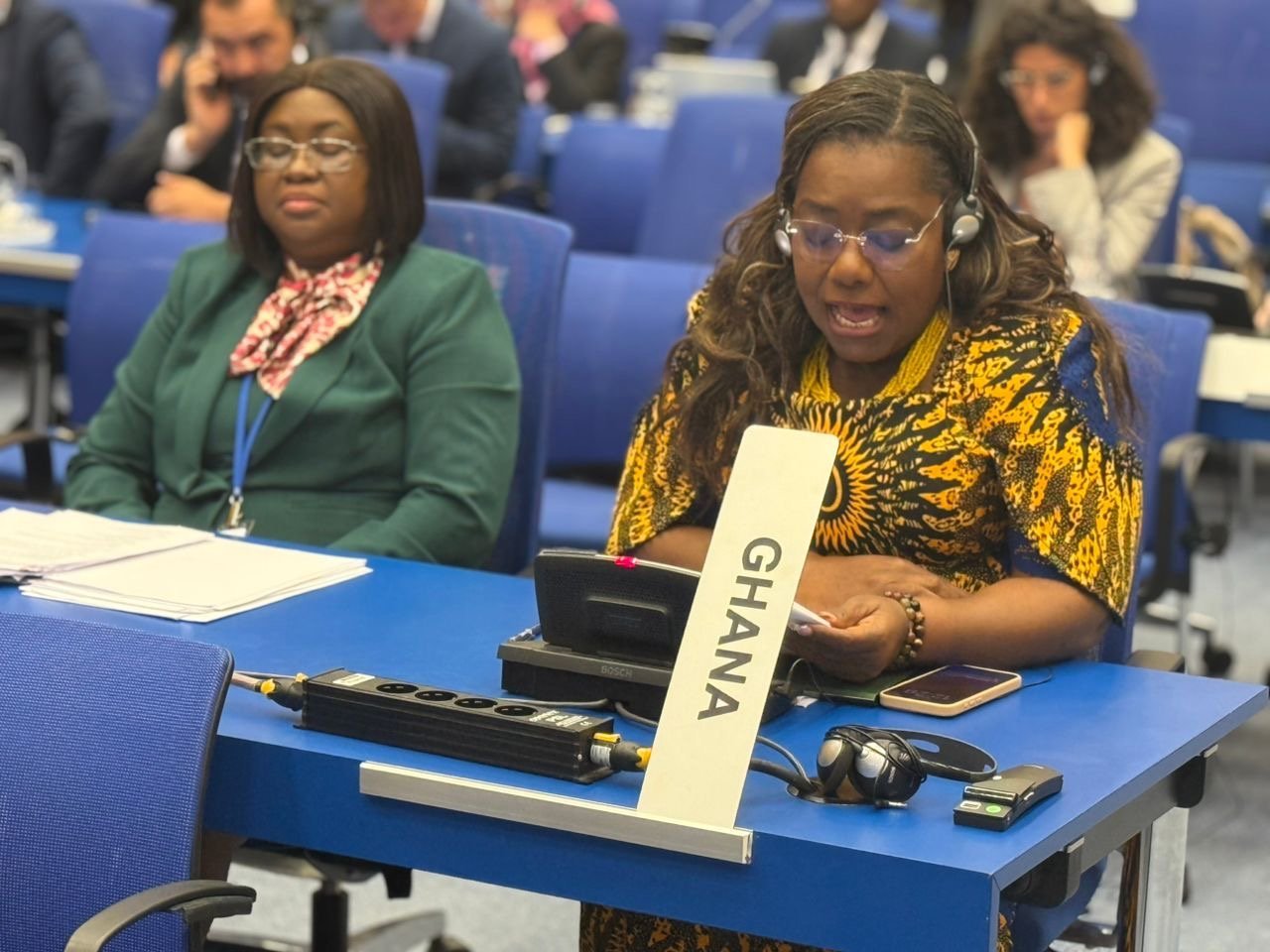
Ghana took its anti-corruption case to the world stage this week when a senior government delegation presented the country’s governance reforms at the 17th Session of the United Nations Convention Against Corruption in Vienna. The delegation, led by Nana Oye Bampoe Addo, used the high-level forum to lay out the Mahama administration’s approach to transparency and accountability, including updates on a flagship initiative that has drawn both praise and scrutiny at home.
The centrepiece of Ghana’s presentation was the Operation Recover All Loot initiative, commonly known as ORAL, which the government has positioned as its most aggressive effort yet to reclaim public funds lost to corruption. Bampoe Addo told delegates that the programme is progressing, though she did not provide specific figures on assets recovered or cases concluded. The initiative has been a defining feature of the Mahama government’s early months in office, signalling a willingness to pursue accountability that previous administrations were accused of neglecting.
Beyond ORAL, the delegation outlined a broader institutional architecture designed to embed anti-corruption measures across government. These include the Youth Against Corruption programme, run through the Office of the Special Prosecutor, and Corruption Education Clubs that seek to engage young Ghanaians on issues of integrity before they enter public life. The government also flagged investments in research, data systems, and capacity-building as part of a more systematic approach to the problem.
The most concrete announcement from Vienna was the completion of the National Ethics and Anti-Corruption Action Plan for 2026 to 2030, known as NEACAP. Bampoe Addo disclosed that the framework, which has been under development for some time, is ready for Cabinet approval. If enacted, NEACAP would represent a renewed national strategy for combating corruption, replacing earlier frameworks that critics said lacked enforcement teeth.
Ghana’s delegation included several of the country’s most senior governance figures: Presidential Advisor on Anti-Corruption Francis Dodoo, CHRAJ Commissioner Joseph Whittal, the Special Prosecutor, and Lady Justice Amaleboba. The breadth of the delegation underscored the government’s intention to present a united institutional front rather than a partisan initiative.
The Vienna session itself brought together member states, anti-corruption institutions, and policymakers from around the world to assess progress under the UNCAC framework. Ghana’s participation comes at a time when the country is seeking to strengthen its international standing on governance, particularly as it navigates complex economic reforms and seeks to attract foreign investment. Demonstrating credible anti-corruption commitments is a key part of that effort. The government has similarly been pursuing parliamentary reforms to strengthen open governance, with MPs recently urged to champion the Open Government Partnership to restore public trust.
Whether the initiatives presented in Vienna will translate into measurable results at home remains the critical question. Ghana’s anti-corruption landscape has long been characterised by ambitious plans and disappointing execution. The Special Prosecutor’s office, in particular, has faced resource constraints and political headwinds that have limited its effectiveness. The coming months, as NEACAP moves through Cabinet and ORAL continues its work, will reveal whether this government’s approach represents a genuine shift or another chapter in a familiar cycle.
Image Source: STARR FM