Ghana Gold Reserves Decline Year-on-Year Despite Signs of Gradual Recovery
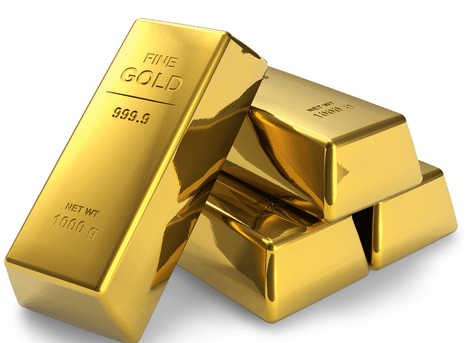
Ghana’s gold holdings fell sharply over the past year, dropping from 31.4 tonnes in April 2025 to 22.3 tonnes in April 2026, according to data released by the Bank of Ghana. The decline underscores the challenges facing the country’s reserve management strategy even as global gold prices have surged.
Despite the year-on-year contraction, the figures offer a glimmer of hope. Ghana’s gold stock rose from 20.8 tonnes in March 2026 to 22.3 tonnes in April, suggesting that efforts to rebuild reserves are beginning to take effect after a turbulent period.
In value terms, the picture is more encouraging. Gold holdings increased to approximately $3.47 billion in April 2026, compared with $2.70 billion in the same month last year. The rise reflects higher global gold prices, which have compensated for the lower volume of reserves held by the central bank.
Gold remains a cornerstone of Ghana’s foreign reserves. By late 2025, the precious metal accounted for more than 42 per cent of the country’s Gross International Reserves, a concentration that prompted the Bank of Ghana to launch a rebalancing programme. Under that initiative, the central bank has been selling portions of its gold stock and reinvesting the proceeds into other international assets capable of generating income.
The rebalancing effort has contributed to the decline in physical holdings, but officials argue it is a necessary step to diversify the country’s reserve portfolio and reduce exposure to commodity price volatility.
Alongside the rebalancing, the government is pushing the Gold Accumulation Reserve Programme, known as GANRAP, which aims to rebuild gold reserves over time through domestic purchases. Under the programme, Ghana plans to acquire approximately 3.02 tonnes of gold every week from local sources, including artisanal and small-scale miners as well as large-scale mining companies.
The dual approach, selling some gold while buying domestically, reflects the delicate balancing act facing the Bank of Ghana. The central bank must maintain adequate reserves to support the cedi and finance imports, while also diversifying its holdings to reduce risk.
Gold has long been central to Ghana’s economy. The country is Africa’s largest gold producer and among the top ten globally. Mining contributes significantly to government revenue, export earnings and employment, particularly in the Ashanti, Western and Eastern regions.
The decline in reserves comes at a time when Ghana’s broader economic indicators are showing signs of improvement. The country recently posted a strong trade surplus, driven in part by robust gold export earnings that continue to underpin the external sector.
Analysts will be watching closely in the coming months to determine whether the uptick in reserves marks the beginning of a sustained recovery or merely a temporary blip in a longer downward trend.
Image Source: GHANA BUSINESS NEWS