Ghana Muslim Mission Digital Content Summit Empowers 500+ Creators to Build a Responsible Online Ummah
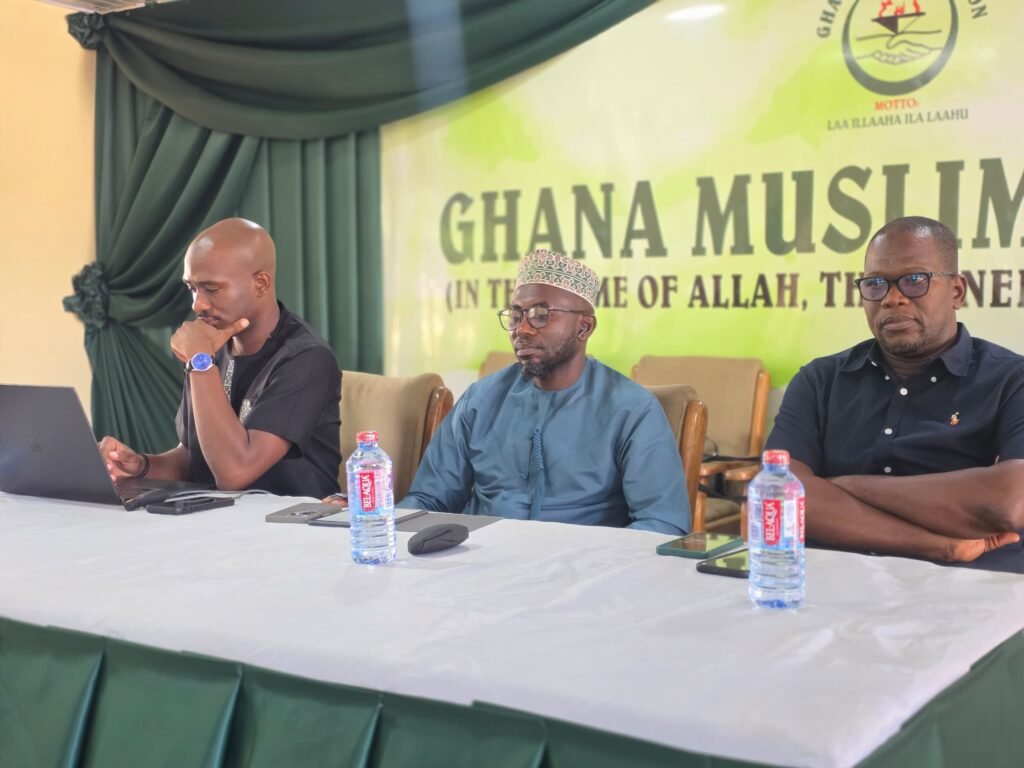
The Ghana Muslim Mission digital content summit has emerged as a defining moment for Muslim participation in Ghana’s rapidly evolving online ecosystem, as religious leaders, tech professionals, and young influencers gathered in Accra to chart a course for ethical engagement on social media platforms.
Held under the theme “Building a Digital Ummah: Our Mission, Your Lens,” the summit brought together Muslim youth, bloggers, videographers, students, and communication professionals for a day of candid discussion about the responsibilities that come with digital influence. The event, organized by the Ghana Muslim Mission (GMM), signals a growing recognition within religious communities that the battle for hearts and minds now unfolds as much on smartphones as it does in mosques and community halls.
Why the Ghana Muslim Mission Digital Content Summit Matters Now
The timing of the Ghana Muslim Mission digital content summit is no accident. Across West Africa, social media usage has exploded, with platforms like TikTok, Instagram, and YouTube reshaping how young people consume information, form identities, and engage with faith. For Muslim communities, this digital revolution presents both extraordinary opportunity and genuine risk.
Mr. Abubakar Essuman, General Secretary of the Ghana Muslim Mission, framed the stakes in stark terms during his opening address. “The digital space has become the modern marketplace of ideas, values, influence, and identity,” he told participants. “If Muslims are absent from this space, others will shape narratives about Islam and Muslims without us.”
His words reflect a broader anxiety shared by religious institutions worldwide: that silence in the digital arena cedes narrative control to voices that may not understand or respect the values these communities hold dear. The Ghana Muslim Mission digital content summit sought to transform that anxiety into action.
Ghana Muslim Mission Digital Content Summit Champions Responsible Creation
Central to the summit’s message was a call for responsibility. Mr. Essuman emphasized that the gathering was not about chasing social media fame or building follower counts for their own sake. Instead, he urged participants to create content that reflected “wisdom, truthfulness, and compassion instead of sensationalism and misinformation.”
“Today every Muslim with a smartphone has the potential to become a voice for truth, peace, and guidance,” he added, drawing applause from the audience of several hundred content creators and aspiring influencers.
To illustrate what responsible digital engagement looks like in practice, Mr. Essuman pointed to global Muslim figures who have built massive audiences through educational and motivational content. He cited the work of Mufti Menk, the Zimbabwean Islamic scholar whose YouTube channel has attracted millions of subscribers, and Omar Suleiman, the American preacher and founder of the Yaqeen Institute for Islamic Research, whose accessible explanations of complex theological topics have resonated with young Muslims worldwide.
He also praised digital platforms such as OnePath Network and AIMFeed for their commitment to high-quality storytelling that engages audiences on Islamic teachings and contemporary social issues. These examples, he argued, demonstrate that it is entirely possible to build large, engaged audiences without compromising on values or resorting to the sensationalism that often dominates social media.
How the Ghana Muslim Mission Digital Content Summit Addresses Women and Youth
The Ghana Muslim Mission digital content summit also placed particular emphasis on the experiences and responsibilities of Muslim women in the digital space. Hajia Selma Amin Bonsu, Women’s Commissioner of the GMM Dome Branch, delivered a candid address that resonated deeply with many attendees.
She urged Muslim youth not to compromise their faith and modesty in pursuit of online fame and financial gain — a tension that many young religious content creators navigate daily. “Your identity as a Muslim is more valuable than trends, followers, money, or online fame,” she said, her voice carrying the weight of personal conviction.
Hajia Bonsu cautioned against several practices she has observed proliferating across social media: inappropriate dressing designed to attract attention, participation in harmful viral challenges, the spread of misinformation, and the creation or promotion of content that encourages immoral behavior. Her message was direct but delivered with compassion, acknowledging the enormous pressures young Muslims face in a digital environment that often rewards the very behaviors she cautioned against.
She also offered practical advice about digital permanence. “Every post can either become a continuous charity or a continuous sin,” she reminded participants, urging them to think carefully about the long-term consequences of everything they share online. In an era where screenshots live forever and old posts can resurface at the worst possible moment, her counsel carried particular urgency.
Ghana Muslim Mission Digital Content Summit Warns of Legal Consequences
The summit’s programming also addressed a dimension of digital content creation that many young creators overlook: the law. Ms. Asia Nettey, a legal practitioner and member of GMM Greater Accra, provided a sobering education on the legal implications of irresponsible social media use in Ghana.
She warned participants against several common but legally risky behaviors: reposting misleading content without verification, sharing screenshots of private conversations without consent, and publishing information without proper context. “A repost, screenshot, or edited clip taken out of context can create serious legal consequences,” she cautioned.
Ms. Nettey outlined the relevant legal framework governing online communication in Ghana, including the Cybersecurity Act, the Data Protection Act, and the Electronic Transactions Act. These laws, she explained, establish clear boundaries for digital conduct, and violations can result in civil and criminal penalties.
She also raised the issue of protecting vulnerable persons online, particularly children. Posting images or personal information about minors without appropriate safeguards can compromise their safety and privacy, she warned, calling on content creators to exercise heightened responsibility when featuring young people in their content.
The Broader Significance of the Ghana Muslim Mission Digital Content Summit
The Ghana Muslim Mission digital content summit represents more than a single event. It reflects a growing global trend among religious institutions to engage proactively with digital technology rather than simply reacting to its consequences. From the Vatican’s sophisticated social media operation to the Islamic online education movement led by institutions like the Yaqeen Institute, faith communities are increasingly recognizing that digital literacy and ethical online conduct are essential skills for the 21st century.
In Ghana specifically, the summit arrives at a moment when debates about social media regulation, digital rights, and online misinformation are intensifying. The government has signaled interest in strengthening the legal framework governing online activity, and civil society organizations are pushing for greater digital literacy across all segments of the population.
For the Ghana Muslim Mission, the summit is part of a longer-term strategy to empower its community to participate fully and responsibly in the digital age. As Mr. Essuman noted, the goal is not merely to produce more Muslim content creators, but to produce better ones — individuals who understand both the power of digital platforms and the responsibilities that come with wielding that power.
The success of the summit will ultimately be measured not by the number of attendees or the quality of the discussions, but by the actions participants take in the weeks and months ahead. If even a fraction of those who attended apply the principles they learned — prioritizing truth over sensationalism, wisdom over clickbait, and community benefit over personal fame — the Ghana Muslim Mission digital content summit will have achieved something meaningful.
Source: MyJoyOnline