World Bank Approves $300m Package to Help Ghana End Double-Track System by 2027
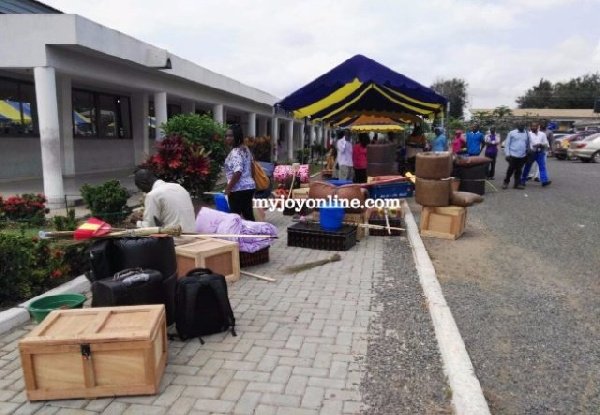
Ghana’s secondary school system, stretched to its limits by the success of the Free Senior High School programme, is set for a major capacity overhaul after the World Bank approved a $300 million financing package to help the country abolish its controversial double-track system by 2027.
The funding, channelled through a new initiative called the Transformative Secondary Education for Access, Results and Relevance for Jobs Project, or STARR-J, will bankroll the construction of new classrooms, the upgrading of existing facilities, expanded sanitation and ICT infrastructure, and a broader streamlining of how secondary education is administered and delivered across the country.
Education Minister Haruna Iddrisu described the project as “a major investment in Ghana’s growing youthful population and a strategic contribution to the country’s long-term human capital development and global competitiveness.” He said the programme would “expand learning opportunities, improve school conditions, better align secondary education with the skills demanded by the labour market, and, more importantly, respond to the infrastructure deficit associated with expanded access to Free Secondary Education.”
The double-track system was introduced as an emergency measure to cope with the surge in enrolment that followed the rollout of Free SHS. Under the scheme, students are split into two alternating groups, with each track attending school for part of the year while the other is on break. While the system kept the doors open for hundreds of thousands of additional students, it drew persistent criticism from parents, teachers and education analysts who argued that it diluted contact hours and undermined the quality of instruction.
For students navigating the transition from junior high school, the implications are significant. As a recently published guide for BECE graduates seeking placement into senior high school highlighted, the pathway between basic and secondary education remains fraught with uncertainty. The STARR-J project aims to remove much of that uncertainty by ensuring there are enough desks, classrooms and teachers to accommodate every qualified student without resorting to rotational scheduling.
The World Bank’s involvement carries particular weight. The institution has a long track record of financing education infrastructure across sub-Saharan Africa, and its endorsement of Ghana’s plan signals confidence that the country can sustainably phase out the double-track model within the proposed timeline. The Ministry of Finance, which co-negotiated the package, has committed to aligning disbursements with measurable milestones on construction, enrolment and learning outcomes.
Beyond bricks and mortar, the STARR-J project places equal emphasis on the quality and relevance of what happens inside the classroom. Curricula are to be revised to better reflect labour-market demands, with a particular focus on science, technology and vocational pathways that can improve graduate employability. Teacher training and resource provision, long acknowledged as weak links in the system, also feature prominently in the project design.
The stakes are high. Ghana’s demographic profile is youthful, with a median age well below 25, and the country’s economic trajectory will depend heavily on whether its education system can produce graduates equipped for a rapidly evolving global economy. The double-track compromise bought time; the STARR-J investment is intended to buy permanent capacity.
Whether the 2027 deadline is achievable will depend on execution. Construction timelines in Ghana have historically been vulnerable to delays, cost overruns and procurement disputes. But the scale of the financing and the breadth of the institutional coalition behind the project suggest that this time, the political will to deliver may finally match the ambition.
Image Source: MYJOYONLINE