When Schools Become Battlegrounds: The Ongoing Threat to Education in Nigeria's Northeast
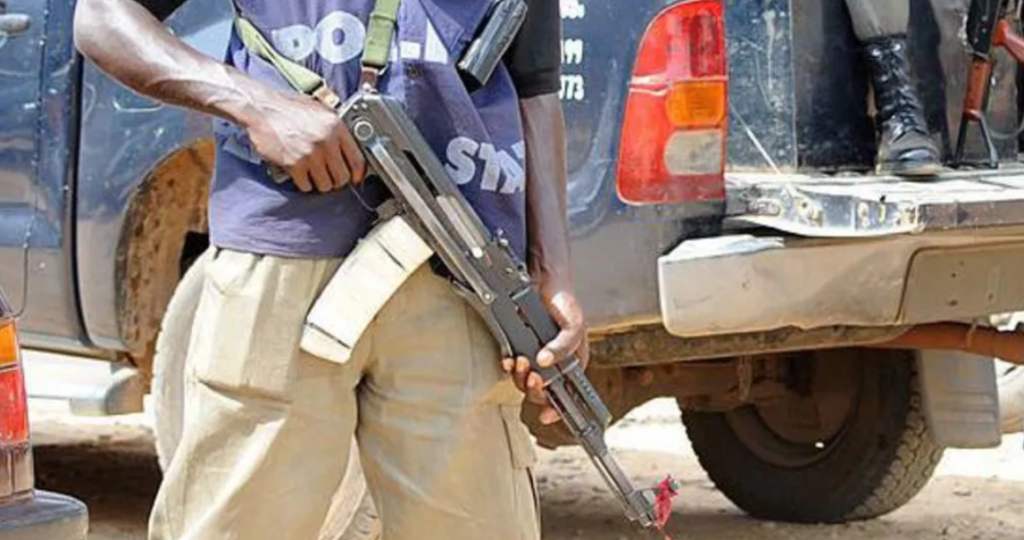
When gunmen stormed the Technical Secondary School in Lassa, Borno State on a seemingly ordinary Monday morning, they shattered more than just the tranquility of an examination hall – they struck at the heart of Nigeria’s enduring struggle to protect its children’s right to education amidst relentless insurgency.
The attack, which unfolded as students sat for crucial national examinations, represents not an isolated incident but a grim continuation of a pattern that has plagued Northeast Nigeria for over a decade and a half. In the immediate aftermath, security forces from Operation HADIN KAI engaged the attackers in a fierce firefight that resulted in the rescue of ten individuals – though conflicting reports persist regarding casualties, with military officials reporting no fatalities among the rescued while humanitarian organizations claim three lives were lost.
This uncertainty surrounding the human toll reflects a broader challenge in Nigeria’s conflict zones: the difficulty of obtaining accurate information amid fluid security situations where access remains restricted and verification complex. What remains clear, however, is the psychological trauma inflicted on survivors and the wider community, where the sanctity of educational institutions has been repeatedly violated by groups seeking to undermine state authority through terror.
The incident occurs against a backdrop of persistent insurgency in the Northeast, where Boko Haram and its offshoot, the Islamic State West Africa Province (ISWAP), have maintained a violent presence despite periodic military successes. Recent operations have yielded mixed results – while forces rescued 300 individuals from Ngoshe earlier this month and claimed to have eliminated 175 ISWAP fighters in May, the continued ability of militant groups to execute sophisticated attacks on soft targets like schools demonstrates the limitations of a purely military approach to what is fundamentally a complex socio-political crisis.
Human rights organizations have been particularly vocal in their condemnation, arguing that such attacks constitute not just violations of international humanitarian law but direct assaults on Nigeria’s future development potential. As Amnesty International Nigeria asserted following the Lassa attack, ‘Schools should be places of safety, and no child should have to choose between their education and their life’ – a statement that encapsulates the existential threat posed when educational institutions become battlegrounds.
The regional implications are equally troubling. The Lake Chad Basin crisis, which encompasses northeastern Nigeria and neighboring countries including Cameroon, Chad, and Niger, has created what the United Nations describes as Africa’s most severe humanitarian emergency. With over 3 million people displaced and food insecurity reaching catastrophic levels, the targeting of schools represents a deliberate strategy to undermine long-term recovery by attacking the very institutions that could foster resilience and renewal.
What makes this pattern particularly insidious is its generational impact. Each attack on an educational institution doesn’t just disrupt immediate learning – it erodes community trust in governmental protection, discourages school attendance among vulnerable populations, and ultimately threatens to create what humanitarian workers warn could become a ‘lost generation’ of youth deprived of both education and psychological stability in the aftermath of trauma.
As Nigerian authorities grapple with this multifaceted challenge, the international community’s response has evolved beyond calls for increased military intervention toward advocating for comprehensive approaches that address root causes including poverty, unemployment, and perceived governmental marginalization. Until such holistic strategies take hold, however, schools in Nigeria’s Northeast will likely remain tragically vulnerable to those who seek to advance their agendas through the terrorization of innocence.
Image Source: MYJOYONLINE