Weija Dam Spillage Catches Municipal Authority Off Guard, Hundreds Displaced
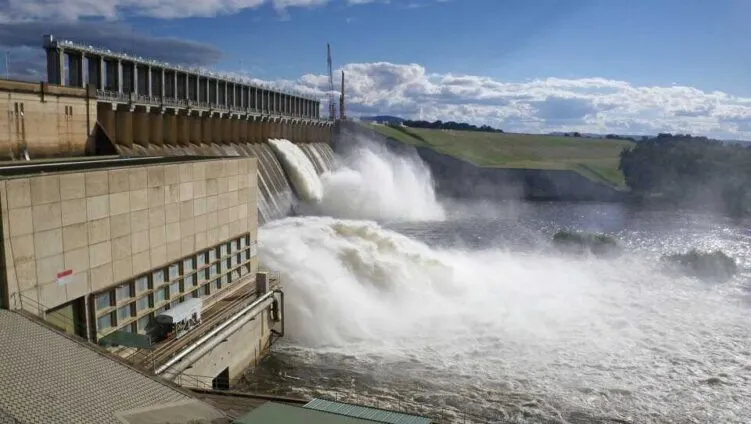
Hundreds of homes in parts of Weija in the Greater Accra Region have been submerged after the Weija Dam’s spill gates were opened on Wednesday evening, with the Municipal Chief Executive for Weija-Gbawe revealing that his assembly received no advance warning of the spillage.
Felix Odartey Lamptey, speaking on Adom FM’s morning show Dwaso Nsem, said the absence of prior communication from Ghana Water Company Limited left the assembly unable to prepare or alert residents before floodwaters swept through low-lying communities.
“We were not given any prior notice, so we could not prepare adequately as a municipal assembly,” Lamptey said, adding that previous years had seen better collaboration and functioning early warning systems between the water utility and local authorities.
The MCE noted that when the spillway was opened, the volume of water entering residential areas far exceeded expectations. “They opened the spillway and suddenly saw water entering houses. It was not expected to rise to that level so quickly,” he said.
When the situation deteriorated, Lamptey personally went to engage officials at Ghana Water but was told the responsible officer was unavailable — a detail that highlights the communication breakdown at the heart of the crisis.
Emergency Response Activated
The Municipal Assembly has since activated emergency response measures. Small boats have been deployed to evacuate residents unable to swim, while vehicles are being used to move families and their belongings to safer locations, including nearby churches. Assembly Members have been tasked with coordinating support for displaced families.
The Weija Dam spillage is a recurring crisis in the Greater Accra Region. Ghana Water Limited had recently opened all spill gates after water levels exceeded the facility’s maximum operating threshold of 48 feet, triggering a controlled spillage exercise that authorities warned could cause prolonged flooding.
The regional administration had already placed Greater Accra on high flood alert earlier this season, with the Regional Minister warning that meteorological forecasts pointed to more intense rainfall than usual. Yet the absence of coordination between Ghana Water and the municipal assembly suggests that institutional preparedness remains inadequate despite the known risks.
A Familiar Pattern of Inadequate Warning
The Weija spillage is not an isolated event. Year after year, communities downstream of the dam face the same cycle: rising water levels, emergency spillage, flooded homes, and displaced families. What changes is the severity, but the underlying problem — poor inter-agency communication — persists.
For residents of Weija, many of whom have rebuilt homes and livelihoods after previous floods only to see them submerged again, the lack of advance notice is not merely an administrative oversight. It is a failure that compounds their losses and erodes whatever trust remains between communities and the institutions meant to protect them.
As floodwaters recede and families begin the slow work of recovery once more, the question remains whether this latest incident will finally prompt the kind of systematic coordination that could prevent the next crisis — or whether, as in years past, it will simply be absorbed into the cycle of neglect.
Image Source: MYJOYONLINE