Volta Region Is One of Ghana’s Most Peaceful Regions – Interior Minister
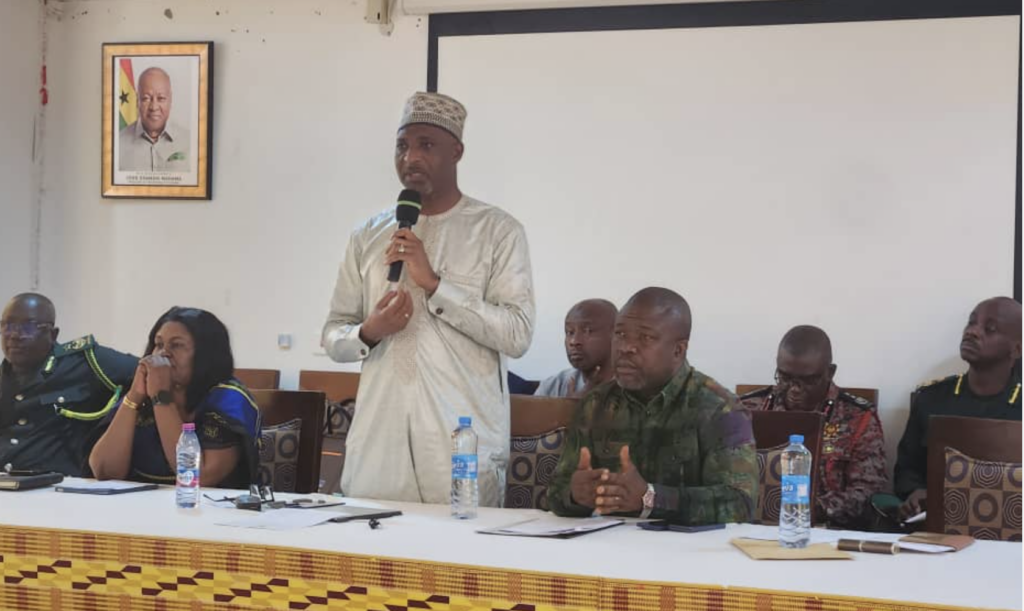
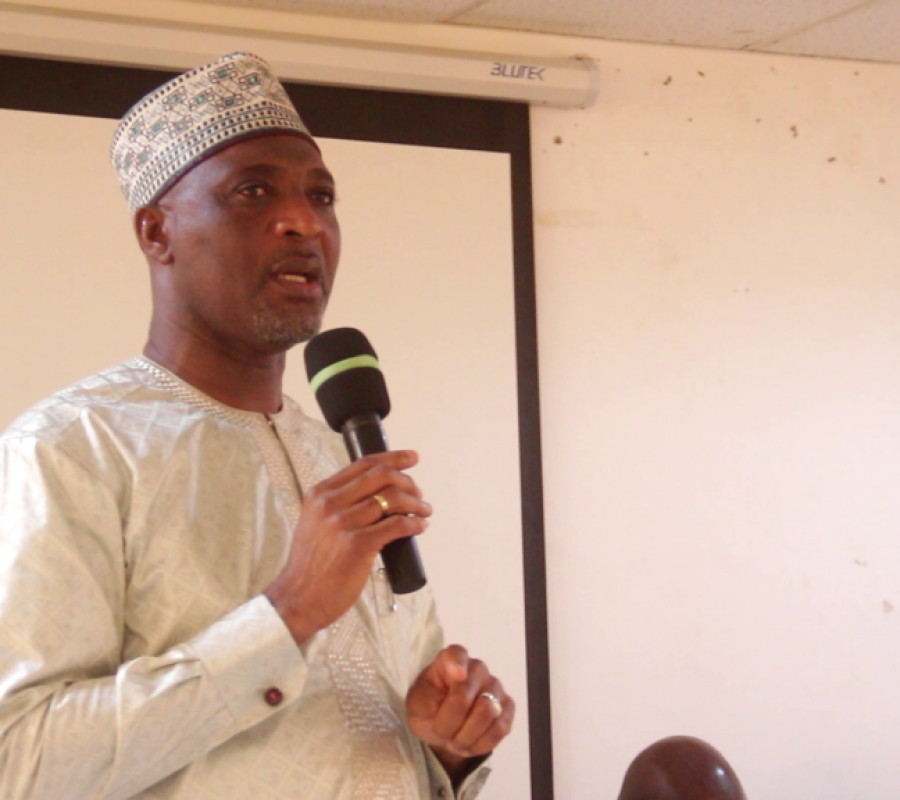
Interior Minister Muntaka Mohammed-Mubarak has described the Volta Region as one of Ghana’s most peaceful regions, a characterisation that carries significant political and social weight at a time when security concerns dominate national discourse. The Minister’s remarks, made during a recent engagement, sought to counter narratives that have at times painted the region in a negative light.
The declaration is noteworthy for several reasons. The Volta Region, home to the Ewe people and a mosaic of other ethnic groups, has long been a stronghold of the National Democratic Congress. It has also been the subject of periodic security alerts, particularly around border areas, where concerns about cross-border smuggling and, more recently, the activities of separatist groups have occasionally made headlines.
Yet the Interior Minister’s assessment appears grounded in data rather than rhetoric. By official metrics—crime rates, incidence of communal violence, and inter-ethnic tensions—the Volta Region consistently ranks among the country’s more stable areas. Its communities have a tradition of resolving disputes through customary arbitration, and its civic institutions, while not immune to the pressures that affect the rest of the country, have demonstrated a notable degree of resilience.
The Minister’s comments also serve a broader political purpose. In a country where regional identity often intersects with partisan politics, characterising the Volta Region as peaceful is a subtle but pointed rebuttal to opposition figures who have, at various times, sought to link the region to instability or separatist tendencies. It is a reminder that the vast majority of residents in the region are law-abiding citizens who contribute to national cohesion rather than threaten it.
Security in the Volta Region has been a topic of heightened attention since the emergence of the Homeland Study Group Foundation, a separatist movement that briefly declared independence for the former British Togoland in 2019. While the group’s activities have been largely contained, the government has maintained a vigilant posture along the eastern border, deploying security forces and engaging community leaders in dialogue.
The Interior Minister’s emphasis on the region’s peacefulness can be read as an endorsement of this multi-pronged approach—one that relies not just on force but on community engagement and development. The government has invested in infrastructure projects across the region, from road construction to educational facilities, in a bid to address the economic grievances that can fuel unrest.
Minister Muntaka Mohammed-Mubarak’s remarks also come against the backdrop of his own broader concerns about national security. He has recently decried the alarming rate of drug use across the country, identifying substance abuse as a growing threat to public order. By highlighting the Volta Region’s relative tranquillity, he implicitly sets it up as a model for other regions grappling with rising crime and social instability.
For residents of the Volta Region, the Interior Minister’s characterisation is a welcome recognition of their efforts to maintain peace. But it also carries an implicit challenge: to sustain that record in the face of the same economic pressures, youth unemployment, and drug trafficking networks that threaten communities across Ghana. Peace, as the region’s residents well know, is not a static condition but a daily commitment—one that requires both local initiative and sustained government support.
Image Source: MYJOYONLINE