Road Transport Operators Reject Purported 20% Fare Hike, Direct Drivers to Maintain Current Fares
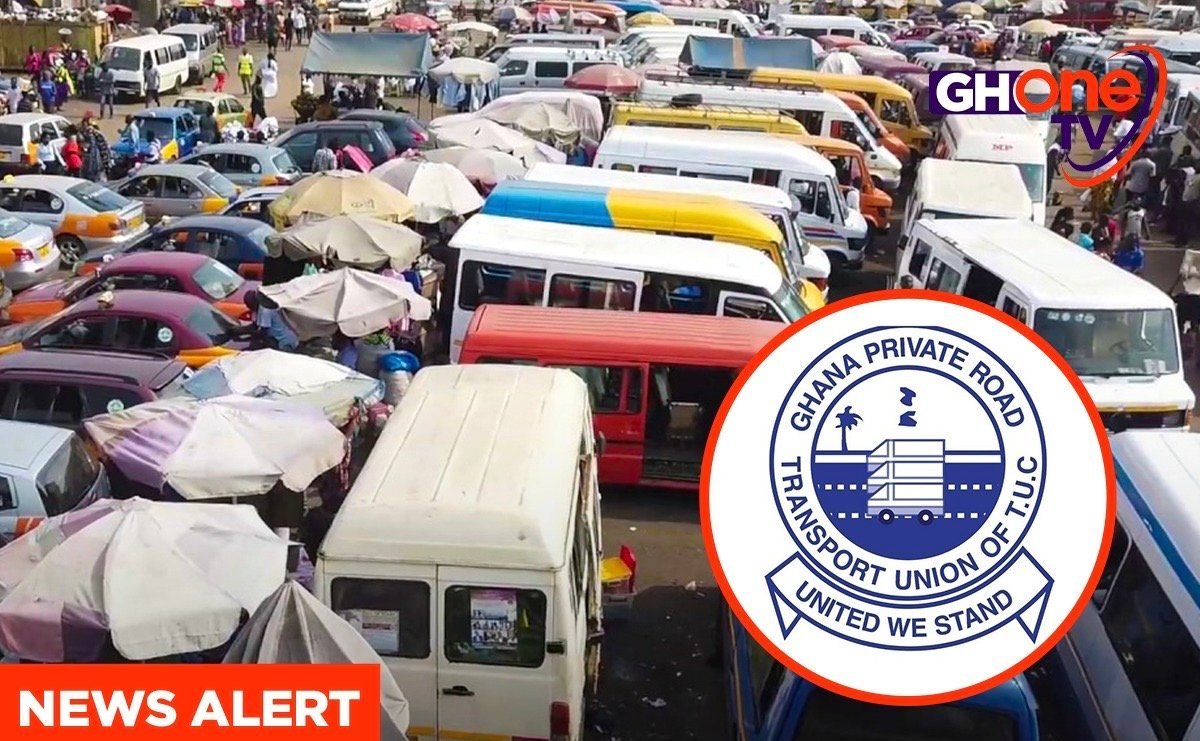
Reports of a 20 percent increase in public transport fares, purportedly set to take effect on June 2, 2026, have been firmly rejected by the two bodies that actually represent Ghana’s road transport operators. The Ghana Private Road Transport Union and the Ghana Road Transport Coordinating Council issued a joint statement on June 1 dismissing the announcement as unauthorized and illegal, and directing all drivers to continue charging existing approved fares.
The swift and unequivocal response from GPRTU and GRTCC leadership was necessary. In an economy where transport costs directly affect the price of food, goods and services, even the rumour of a fare increase can trigger panic buying, opportunistic price gouging and widespread public anxiety. By acting quickly, the transport unions have attempted to contain the damage before it spreads.
A Protocol Ignored
Transport fare adjustments in Ghana follow a well-established protocol. Any change must be negotiated between the Ministry of Transport and the recognised road transport operators through a formal process that considers fuel prices, vehicle maintenance costs, inflation and the broader economic environment. Unilateral announcements by groups that have not gone through this process are not merely irregular; they are, as the joint statement put it, illegal.
“The decision by the supposed group is illegal as it has not gone through the fare adjustment protocol and procedure agreed between the Ministry of Transport and the Road Transport Operators,” the statement read. The language was deliberate. By referring to “the supposed group,” GPRTU and GRTCC signalled that they do not recognise the legitimacy of whoever issued the original announcement.
This distinction matters. Ghana’s transport sector is vast and loosely organised. Multiple unions, associations and informal groups operate alongside the established structures. When an unrecognised body issues a public statement about fare increases, it creates confusion among drivers, commuters and loading point managers who may not know which authority to follow.
The Commuter Impact
For the millions of Ghanaians who rely on public transport daily, the stakes are immediate and personal. Trotros, taxis and shared vehicles remain the primary mode of transport for the majority of the population, particularly in urban centres like Accra, Kumasi and Takoradi. A 20 percent fare increase would have rippled through household budgets, adding pressure to families already contending with the rising cost of living.
The transport operators’ directive to continue charging existing fares provides temporary relief. But it also highlights a structural vulnerability in Ghana’s public transport system: the absence of a formal, transparent mechanism for fare adjustments that the public can easily verify. When fare changes are announced through official channels and properly communicated, commuters can plan accordingly. When they are announced by unrecognized groups through informal channels, confusion reigns.
Monitoring the Fuel Window
The joint statement noted that transport operators are monitoring the next fuel pricing window and would engage relevant stakeholders if circumstances warrant a review of fares. This is a prudent approach. Fuel prices are the single largest variable cost for transport operators, and any significant movement in petroleum prices inevitably prompts discussions about fare adjustments.
Ghana’s fuel pricing deregulation mechanism, administered by the National Petroleum Authority, allows prices to adjust fortnightly based on world market conditions, exchange rates and distribution margins. When fuel prices rise sharply, transport operators face genuine financial pressure. When they fall, commuters expect fares to follow. The challenge lies in ensuring that any fare adjustments reflect actual cost changes rather than opportunistic profiteering.
The operators’ assurance that “should there be the need for any fare adjustment, the public will be duly notified” is important. Transparency in the fare-setting process builds public trust and reduces the likelihood of disputes. It also makes it harder for unauthorized groups to exploit the process for their own purposes.
A Sector Under Pressure
Ghana’s road transport sector operates under considerable strain. Drivers contend with poor road infrastructure, rising vehicle spare parts costs, insurance premiums and the constant pressure to maximise trips in congested urban environments. At the same time, commuters demand affordable, reliable and safe transport. Balancing these competing interests requires careful negotiation, not unilateral declarations.
The GPRTU and GRTCC’s rejection of the purported fare increase, signed by General Secretaries Godfred Abulbire and Emmanuel Ohene Yeboah respectively, reaffirms the established governance structures within the sector. Their commitment to protecting the interests of both commuters and transport operators, while working with relevant authorities, is the right approach.
The episode serves as a reminder that in a sector as vital and sensitive as public transport, authority and legitimacy matter. Fare adjustments must be earned through proper process, not imposed through informal announcements. Ghana’s commuters deserve nothing less.
Image Source: STARR FM