South Africa’s World Cup Departure Delayed by U.S. Visa Failures
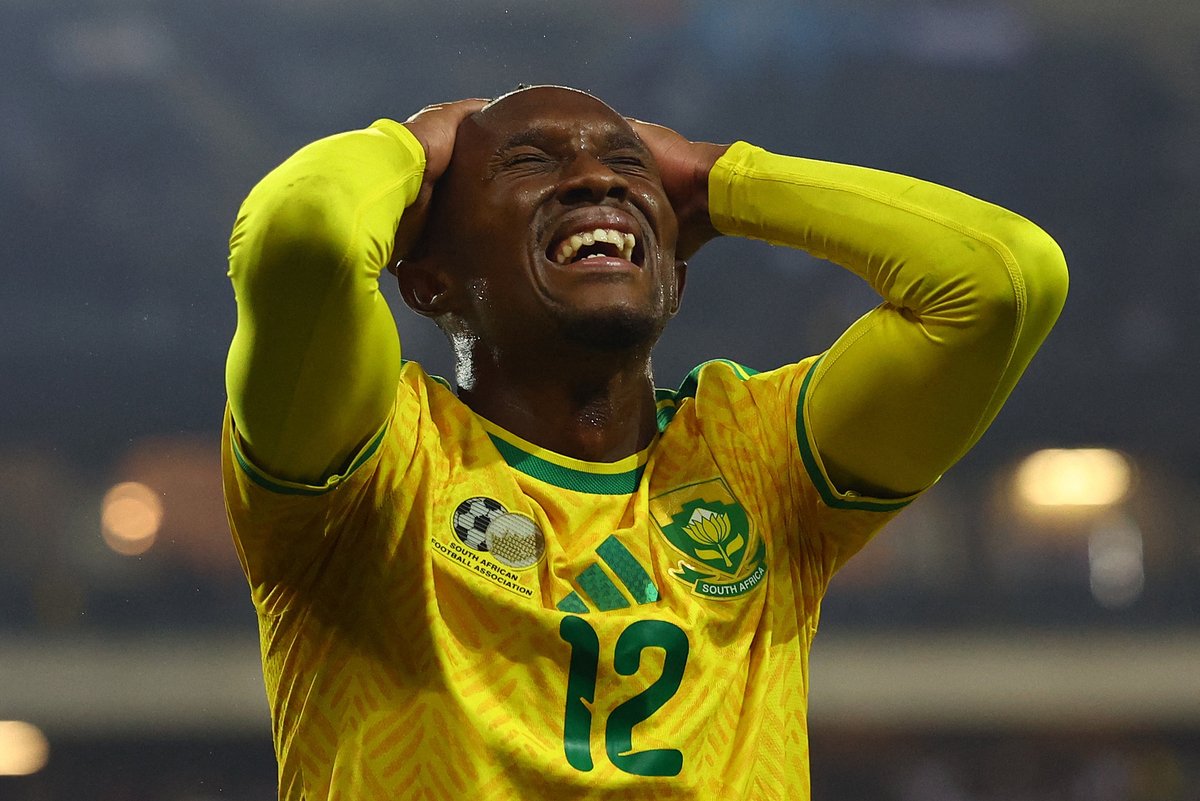
South Africa’s preparations for the 2026 FIFA World Cup descended into embarrassment this week after administrative failures over United States visas forced the national team to delay its departure, drawing sharp criticism from the country’s Minister of Sport and raising fresh questions about the competence of the South African Football Association.
Bafana Bafana, drawn in a group that includes hosts Mexico, South Korea and Jamaica, had originally been scheduled to depart for Mexico on 1 June. The plan fell apart when players and coaching staff discovered that some U.S. transit visas had not been processed, despite the tournament being held in North America. The South African Ministry of Sport launched an emergency response, and the football association worked with the U.S. consulate and the foreign ministry to resolve the crisis.
After initial delays, departure was rescheduled for the following day. But even then, four staff members — a coach, team doctor, safety officer and performance analyst — had still not received their documentation, forcing officials to scramble through last-minute procedures. The team eventually departed, but the episode left a trail of reputational damage.
Gayton McKenzie, South Africa’s Minister of Sport, did not mince words. On social media, he called the situation “a catastrophe caused by administrative error” and said it had “made the country look foolish.” He demanded that SAFA submit a full report on the matter and indicated that those responsible would be held accountable.
The South African Football Association acknowledged that “problems arose in the visa issuance process for some players and officials” but declined to provide specific reasons for the failure. The vagueness of the response did little to calm public frustration in a country where football carries enormous symbolic weight.
It is not the first time SAFA’s administrative capabilities have come under scrutiny during this World Cup cycle. During the African qualifiers, the association fielded midfielder Teboho Mokoena against Lesotho despite his suspension for accumulated yellow cards. FIFA ruled the match a forfeit, a decision that briefly threatened to derail South Africa’s qualification altogether. The team ultimately recovered, but the pattern of avoidable errors has become difficult to ignore.
South Africa will use Pachuca, Mexico, as its base camp for the tournament. The team plays a friendly against Jamaica on 6 June before facing the host nation in the World Cup opener in Mexico City on 11 June. Their third group-stage match is against South Korea on 25 June in Monterrey.
The visa debacle raises broader questions about preparedness. World Cup campaigns are won or lost on fine margins — tactical, physical and logistical. A team that cannot ensure its own staff have the correct travel documents weeks before the tournament may find it harder to manage the complexities of elite-level competition on foreign soil. For South African football, already scarred by years of underachievement on the global stage, this was not the start anyone wanted.
Image Source: GHANAMMA