Time for a Shift: African Countries Must Claim Their Share of the Global Conferences Economy
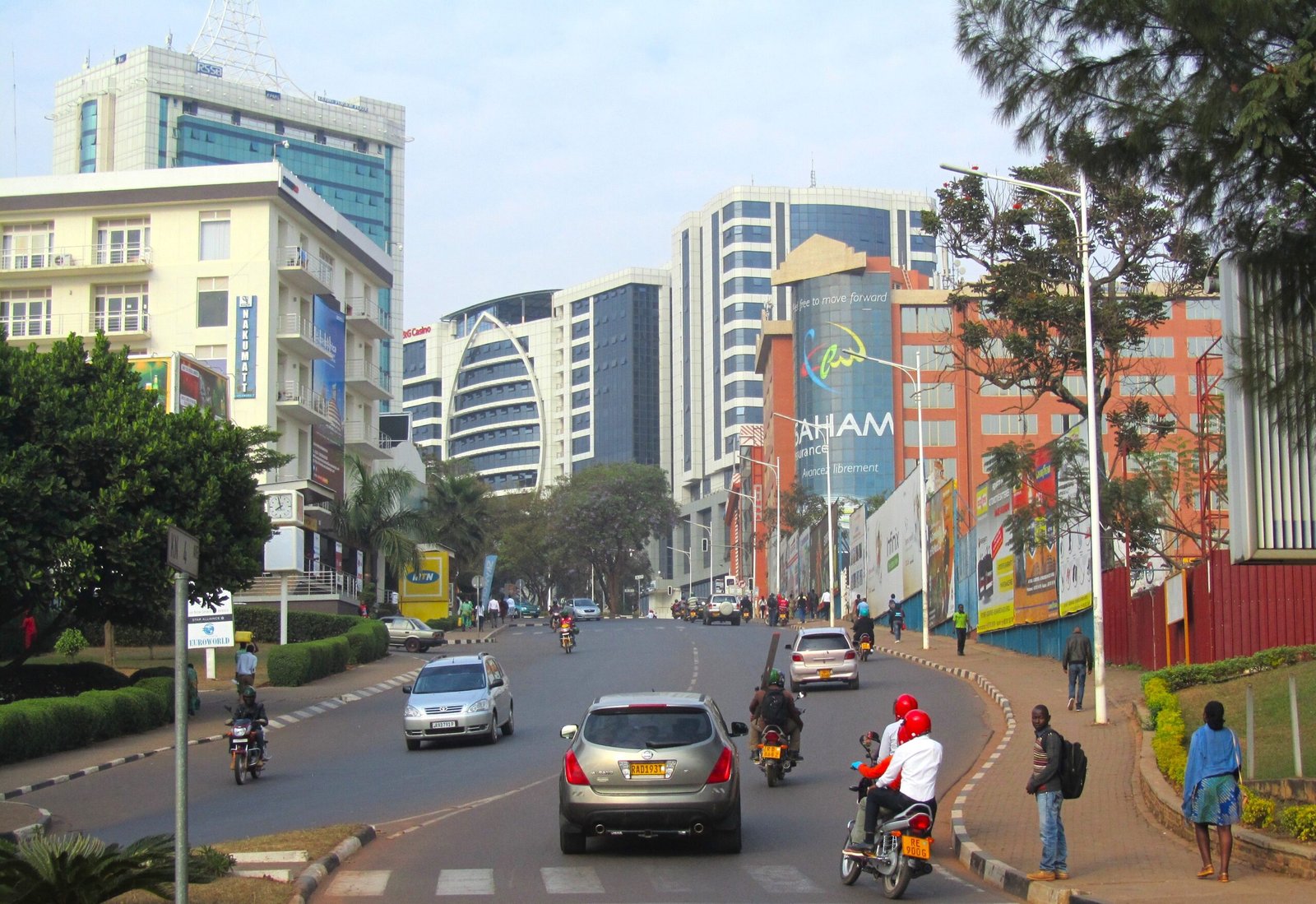
The International Congress and Convention Association’s decision to bring its 66th congress to Kigali in October 2027 should be cause for celebration across Africa. Instead, it has exposed a troubling truth: the global conferences industry has systematically marginalised the continent for decades, and the organisations responsible are only now beginning to acknowledge the imbalance.
ICCA, the body that tracks and promotes international meetings worldwide, last held its congress in Africa in Cape Town in 2004. The twenty-three-year gap between African editions speaks louder than any self-congratulatory press release about “returning” to the continent. As the continent’s cities — Kigali, Kampala, Accra, Lagos, Johannesburg — have built world-class conference infrastructure, the global gatekeepers have continued to direct their flagship events to European capitals.
The economic stakes are enormous. Business events — meetings, incentives, conferences and exhibitions, collectively known as MICE — generate billions in revenue for host cities. Davos alone produces roughly €65 million each January when the World Economic Forum arrives, a figure that exceeds €100 million when the broader Swiss economy is factored in. London’s World Travel Market draws nearly 50,000 participants and adds an estimated £200 million to the city’s economy each year.
Africa, by contrast, captures a fraction of these opportunities. The continent attracts approximately 80 million tourists annually — a number that France alone matches with its 100 million visitors. West and Central Africa, home to half a billion people across 20 countries, have never hosted the United Nations’ Conference of the Parties on climate change, a gathering that draws upwards of 50,000 delegates and global media attention.
The pattern extends beyond ICCA. The UN’s rotational approach to hosting COP has seen Europe host the event fifteen times, compared to Africa’s five. For a continent that bears a disproportionate burden of climate change impacts — drought, rising sea levels, extreme weather — the exclusion from hosting the world’s premier climate gathering is more than an oversight. It is a structural failure.
Uganda offers a case study in what Africa can achieve when given the chance. The Pearl of Africa Tourism Expo, held in the lakeside town of Munyonyo, drew about 2,000 participants this year under the new leadership of Juliana Kagwa at the Uganda Tourism Board. Aviation analyst Derek Nseko, a panellist at the event, noted that Uganda’s MICE conversation is gaining maturity, with discussions extending to film, product development and sustainable tourism.
South Africa’s Travel Indaba in Durban provides an even larger example. Nearly 10,000 people attended this year’s edition, generating $51 million in tourism expenditure and sustaining 1,100 jobs for the coastal city. These are not abstract figures. They represent livelihoods, tax revenue and the kind of economic diversification that African governments claim to prioritise.
The question for African leaders is not whether the continent can host major international events — it demonstrably can. The question is whether governments, the private sector and continental bodies will organise, bid and compete with the persistence required to break the cycle of exclusion. Côte d’Ivoire, Senegal, Rwanda and Algeria all possess the infrastructure and the ambition. What has often been lacking is coordinated strategy and sustained political will.
Ghana’s own push to decentralise industrial development through tax incentives reflects a broader continental recognition that economic transformation requires deliberate policy action. The same logic applies to the conferences economy: without proactive bidding, investment in facilities and aggressive marketing, African cities will continue to watch from the sidelines as global events enrich other regions.
The MICE sector is not merely a revenue generator. It is a branding exercise, a training accelerator and a catalyst for cross-border collaboration. Africa’s share of the global conferences economy is a measure of how seriously the world takes the continent’s potential — and how seriously Africa takes itself. The shift starts with demanding equity, not waiting for favours.
Image Source: GHANA BUSINESS NEWS