Tarkwa-Nsuaem Teachers Strike: 7 Powerful Demands After Alleged Military Assault Disrupts Western Region Schools
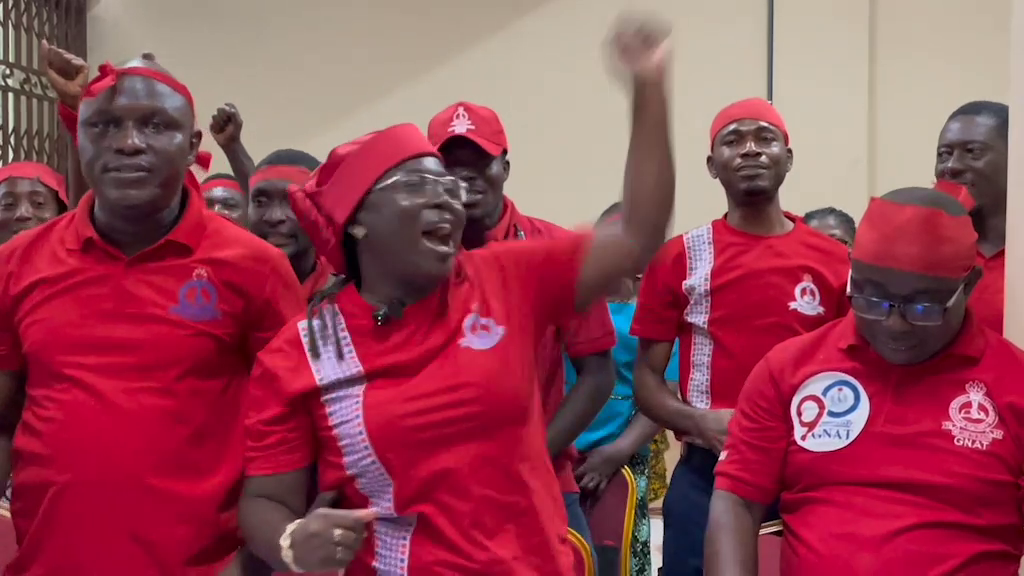
Tarkwa-Nsuaem teachers strike has brought academic activities to a grinding halt in the Western Region municipality, as educators demand justice following allegations that military personnel assaulted their colleagues during an anti-illegal mining operation on April 30, 2026. The industrial action, now in its early stages, threatens to escalate into a complete withdrawal of teaching services if authorities fail to act swiftly.
Tarkwa-Nsuaem Teachers Strike Disrupts Schools Across the Municipality
The Tarkwa-Nsuaem teachers strike has sent shockwaves through the education sector in the Western Region, with public schools across the municipality reporting significant disruptions to academic work. JoyNews Western Regional Correspondent Ina-Thalia Quansah confirmed on Tuesday, May 26, that the sit-down strike, organized by local teacher unions, has effectively paralyzed classroom instruction in several institutions.
The timing of the Tarkwa-Nsuaem teachers strike could not be worse. Schools are currently preparing for end-of-term academic programmes and assessments, meaning students face the prospect of missed instructional hours and delayed examinations. Parents and residents in the municipality have expressed deep concern about the impact on their children’s education, urging authorities to intervene before the situation deteriorates further.
Military Assault Allegations Behind the Tarkwa-Nsuaem Teachers Strike
At the heart of the Tarkwa-Nsuaem teachers strike lies a disturbing incident that allegedly took place during a military operation targeting illegal mining activities, commonly known as galamsey, in parts of the municipality. Teachers claim that military personnel conducting the operation physically assaulted several educators who were going about their professional duties.
The incident has ignited fury among education workers throughout the region. Teacher union leaders have described the alleged attack as unacceptable and a gross violation of the rights and dignity of educators. The Tarkwa-Nsuaem teachers strike represents a direct response to what many perceive as an unchecked abuse of power by security forces operating in mining communities.
One of the affected educators, Asah Acheampong John, Headteacher of Adiewoso M/A School, publicly recounted his ordeal and appealed for justice. His testimony has become a rallying point for the broader teacher community, which views the assault as an attack on the entire profession.
Teacher Union Leaders Rally Behind the Tarkwa-Nsuaem Teachers Strike
The Tarkwa-Nsuaem teachers strike has received strong backing from senior figures within Ghana’s teacher unions. Perpetual Bosomprah, the Tarkwa District Chairperson of the Ghana National Association of Teachers (GNAT), condemned the incident in the strongest terms and called on the government and security authorities to ensure that officers involved in the alleged assault are identified and sanctioned if found culpable.
Obeng Nyamekye, the Western and Western North Regional Chairman of GNAT, echoed these sentiments, stressing that teachers should be protected and treated with respect in the discharge of their duties. His comments underscore a growing frustration within the teaching profession about the safety of educators, particularly those working in communities affected by illegal mining operations.
The Tarkwa-Nsuaem teachers strike has also drawn attention to the broader challenges facing educators in mining communities, where the intersection of security operations and civilian life has created an increasingly volatile environment. Teachers in these areas often find themselves caught between the competing interests of mining communities, security forces, and local authorities.
Tarkwa-Nsuaem Teachers Strike Could Escalate Without Government Action
The aggrieved teachers have issued a stark warning: the current sit-down strike could escalate into a total withdrawal of teaching services if authorities fail to address their concerns within the shortest possible time. This threat has raised alarm bells among education stakeholders, who fear that a prolonged Tarkwa-Nsuaem teachers strike could have lasting consequences for students in the municipality.
The development adds to growing tensions in some mining communities where security operations against illegal mining have intensified in recent months. The galamsey crisis, which has devastated rivers and farmlands across Ghana, has led to increased military presence in affected areas. However, the alleged assault of teachers has highlighted the need for security forces to exercise restraint and professionalism in their operations.
Stakeholders in the education sector are now expected to engage government officials, security agencies, and teacher unions in a bid to resolve the impasse and restore normal academic work. The outcome of these discussions will likely determine whether the Tarkwa-Nsuaem teachers strike remains a localized protest or expands into a broader movement.
What the Tarkwa-Nsuaem Teachers Strike Means for Ghana’s Education System
The Tarkwa-Nsuaem teachers strike serves as a sobering reminder of the fragile relationship between security forces and civilian institutions in Ghana. When teachers—who are entrusted with shaping the nation’s future—feel unsafe in their workplaces, the entire education system suffers.
The incident also raises questions about the conduct of military personnel during anti-galamsey operations. While the government’s commitment to combating illegal mining is understandable, the alleged assault of teachers suggests that operational protocols may need to be reviewed to prevent similar incidents in the future.
As the Tarkwa-Nsuaem teachers strike continues, all eyes are on the authorities to see whether they will take concrete steps to address the teachers’ grievances. The children of Tarkwa-Nsuaem Municipality deserve an education uninterrupted by the failures of those in power. This situation echoes a broader pattern of teacher unrest in Ghana, as newly recruited teachers have also threatened renewed protests over unpaid salary arrears, while technical universities are calling for dedicated funding to drive industrial transformation. Whether justice is served will determine not just the outcome of this strike, but the broader relationship between Ghana’s educators and the state.
Source: MyJoyOnline