Redirect 24-Hour Market Funds to Complete Agenda 111 Hospitals, Asenso-Boakye Tells Government
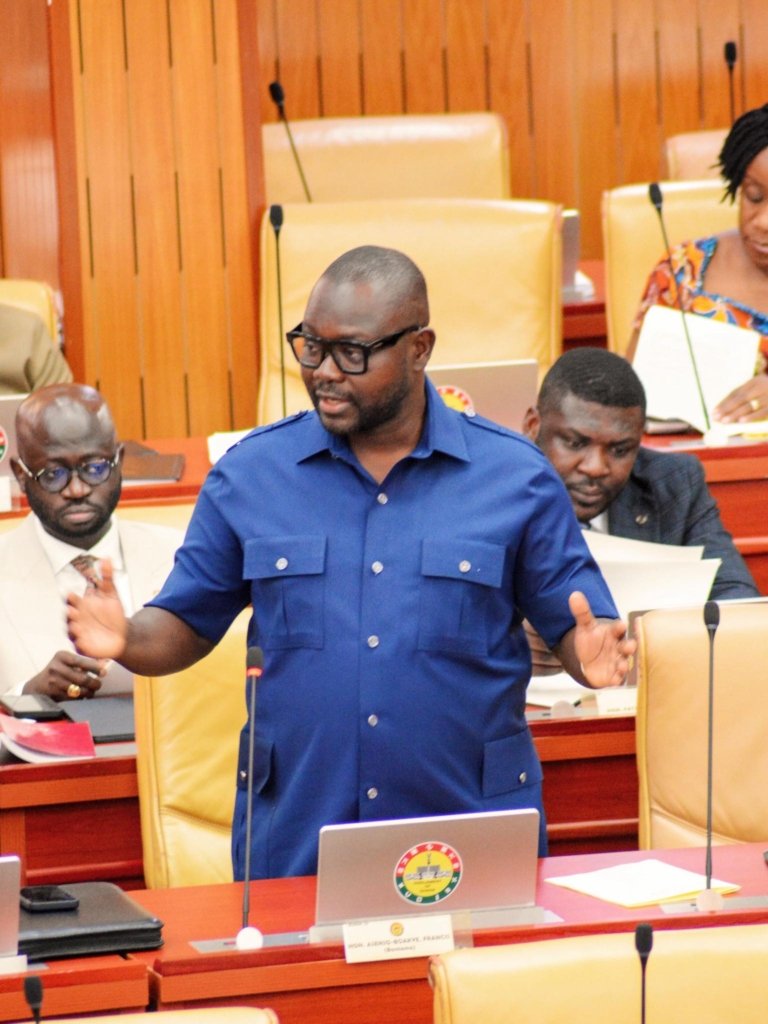
Former Roads and Highways Minister Francis Asenso-Boakye has called on the government to redirect funds earmarked for the construction of 24-Hour Markets toward completing the stalled Agenda 111 hospital programme.
Speaking at a capacity-building workshop for Metropolitan, Municipal and District Chief Executives in Accra, the former minister argued that many districts already possess functional markets that remain under-utilised, making new 24-Hour Market construction an inefficient use of scarce public resources.
“As District Assembly officials and political actors, you are supposed to build 24-Hour Markets but I have realised that in many districts, they do not really need the 24-Hour Markets because there are existing markets already which are under-utilised,” Asenso-Boakye told the gathering.
The proposal arrives at a moment when Ghana’s healthcare infrastructure deficit continues to widen. In the Tema Metropolitan Area alone, 162 stillbirths were recorded in 2025, a figure health officials attribute partly to gaps in the quality of maternal and neonatal care. Completing the unfinished hospital projects under Agenda 111 would directly address such capacity shortfalls.
The Agenda 111 programme, launched under the previous administration, promised 111 district and regional hospitals across the country. Progress has been uneven, with several sites stalled at various stages of completion. Asenso-Boakye, who raised the issue through Parliament’s Local Government and Rural Development Committee, said he had asked the Health Minister whether the reallocation could be formally considered.
“I was asking the Health Minister whether he will make a case that in situations where you don’t need these 24-Hour Markets, can we invest the money in other areas which will certainly include the provision of healthcare infrastructure like the Agenda 111,” he said.
The former minister’s broader argument centres on aligning development spending with demonstrable community need rather than political ambition. He stressed that while improving local economies through market infrastructure carries value, those investments must yield real returns for the communities they serve.
“I stressed that while improving local economies through market infrastructure is important, investments must be aligned with the immediate needs of communities to ensure value for money and better public service delivery,” Asenso-Boakye said.
The suggestion raises uncomfortable but necessary questions about Ghana’s public spending priorities. The health sector, already stretched thin by rising demand and constrained budgets, stands to benefit substantially if even a fraction of the market construction budget is redirected. The Ghana Health Service’s recent rollout of a nationwide mass drug administration campaign underscores just how much further the country still has to go in meeting basic healthcare needs.
For the MMDCEs in attendance, the message was clear: competition for limited fiscal space demands hard choices, and completing hospitals that communities were promised may rank higher on the national priority list than building markets that may sit empty.
Image Source: MYJOYONLINE