Mary Addah Exposes Structural Flaws in OSP Setup
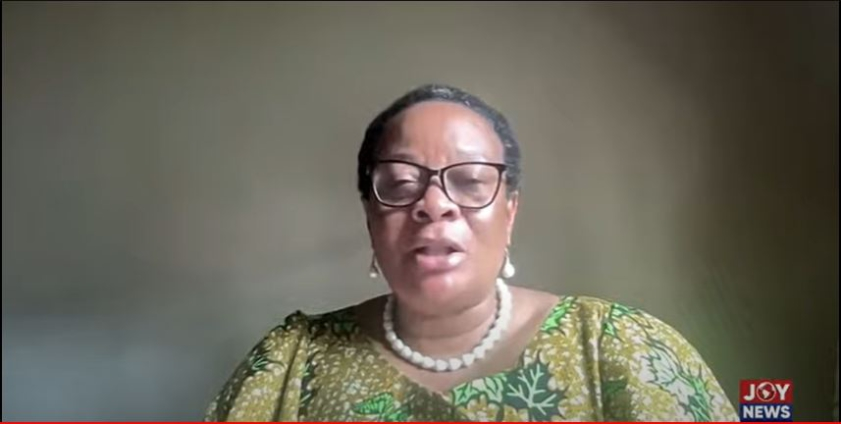
The Office of the Special Prosecutor (OSP) was established with fundamental structural weaknesses, hindering its effectiveness from the outset, according to Mary Addah, Executive Director of Transparency International Ghana.
Ms. Addah stated that these initial flaws continue to plague the OSP’s operations. She made these remarks while speaking on Joy News’ PM Express on December 8, asserting that the issues the OSP was intended to address have not only persisted but, in some instances, worsened due to a lack of proper foundational support.
Responding to a question from host Evans Mensah regarding whether the challenges stemmed from the individuals appointed to the office or the institutional design itself, Ms. Addah responded emphatically, “So it is both. It is both.”
She drew a comparison to the implementation of the Right to Information (RTI) Commission, highlighting a deliberate “cooling-off period” of one year to ensure adequate setup and preparation. “When the law was passed, we realised there was a one-year cooling off period to ensure the office was set up and set up very well,” she explained.
According to Ms. Addah, the OSP did not benefit from a similar measured approach. “In the case of the SP, when the law was passed in February, the SP was appointed. He didn’t have space to even operate and so the first SP had his issues of setting up office – which office he wanted and who he was going to work with. He didn’t have staff and for about three years we went up and down.”
“So structurally, we had a flaw, a serious flaw there and then in the office,” she added, emphasizing the problematic launch of the institution.
Ms. Addah also raised longstanding concerns about the OSP’s independence and susceptibility to political interference. “The issues around independence – either being substantive or otherwise – also remain a key problem because we saw that in the execution of the mandate, we continue to see interference and it led to the first SP leaving office and the second one taking office.”
She noted that dwindling public trust further complicated matters. “But then even as we remember that the appetite of citizens as well, at the time, in the fight against corruption was very low. Because the trust levels were very low, we thought that the politician would do what they would do to get away with what they would do anyway and so citizens’ trust had dwindled.”
Ms. Addah pointed to specific cases, such as those involving Cecilia Dapaah and the former Minister of Finance, as examples of how the OSP’s handling of investigations has eroded public confidence. “And this has been entrenched by some of the cases that have come through the office. For instance, in the issue of Cecilia Dapaah, we saw that this case didn’t go anywhere.”
While acknowledging that institutions require time to mature, Ms. Addah stressed that a solid foundation is crucial. “But it remains also true that in setting up an office, we should give them time to be able to settle in to put in place structures.”
When questioned by Evans Mensah about whether eight years was sufficient time for the OSP to establish itself, Ms. Addah responded, “Yes, it depends on what we have given them and how they are doing it.”
Image Source: MYJOYONLINE