No Life Jacket, No Travel — Transport Ministry Enforces New Inland Water Safety Directive
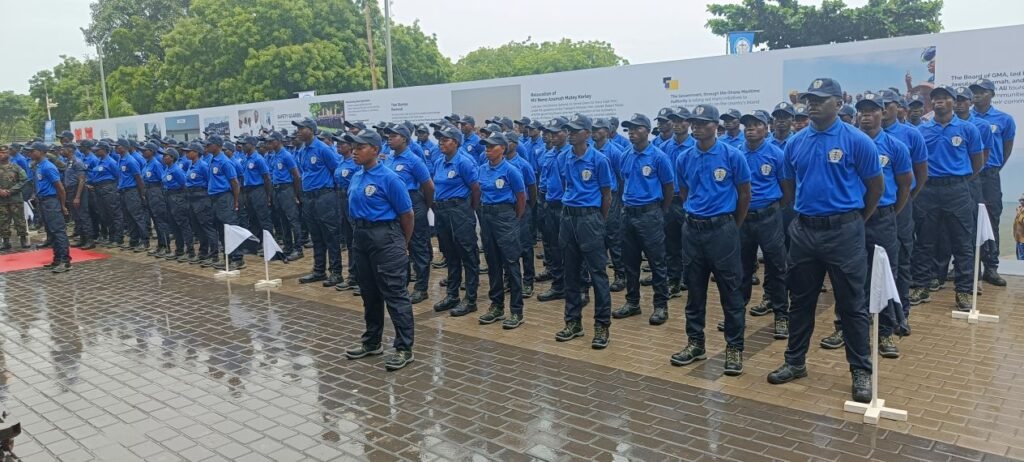
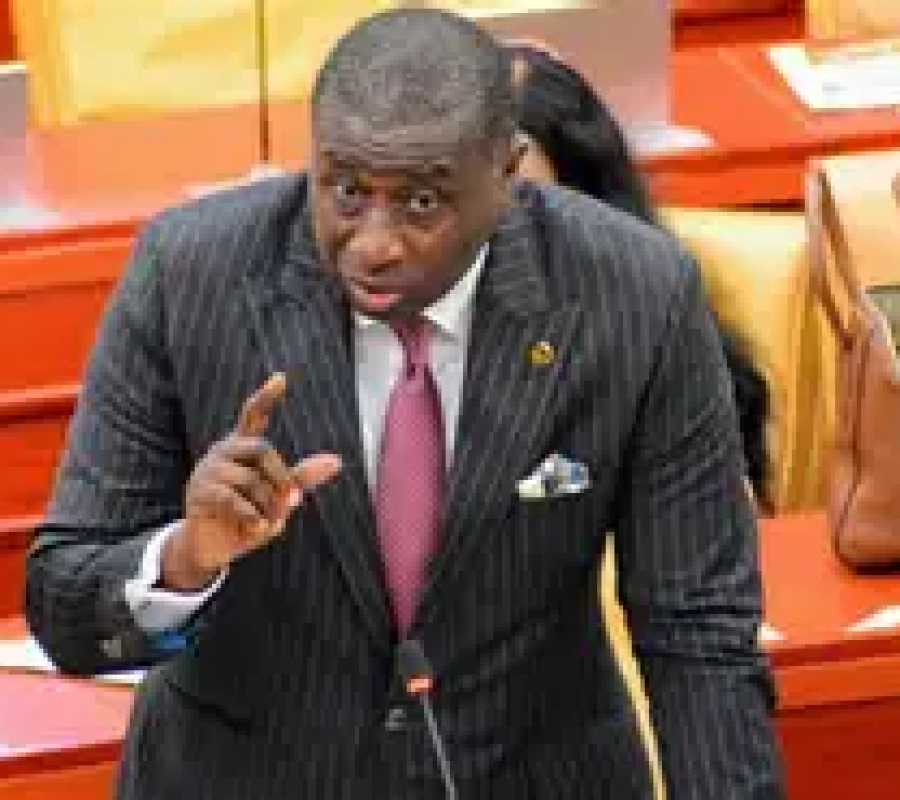
Ghana’s Ministry of Transport has drawn a firm line on inland waterway safety: anyone who refuses to wear a life jacket before boarding a vessel will be barred from travelling. The declaration, made by Transport Minister Joseph Bukari Nikpe at the commissioning of 200 water safety guards in Accra on Tuesday, signals the most aggressive push yet to end the cycle of preventable drowning deaths that have scarred communities across the country.
The initiative, launched through the Ghana Maritime Authority (GMA), introduces subsidised sales, rental schemes and hybrid purchase-rental options for life jackets — a deliberate effort to remove the cost barrier that has historically left passengers on canoes and ferries exposed to the water’s dangers.
A Response Rooted in Tragedy
Mr Nikpe framed the policy as a direct response to the 2024 Saboba disaster, in which approximately 70 students drowned while crossing a water body in the Northern Region. Recalling the moment he received the news, the minister said the sheer scale of the loss demanded systemic change.
“I recall two years ago… we lost about 70 students who were crossing from one side to another. I can still recall that day when I rose out of the chair and asked, ‘What, 70?’” he said. The most recent incident at Kete-Krachi, where entire families drowned, further galvanised the government’s resolve.
“President Mahama ordered that this should be the last one, or we should work hard to put a stop to this needless life that we lose daily while our Ghanaian brothers and sisters cross from one side to another,” Mr Nikpe added.
200 Guards Deployed
The deployment of 200 trained water safety guards represents a shift from policy announcements to on-the-ground enforcement. Dr Kamal-Deen Ali, a retired Naval Captain and Director-General of the GMA, described the initiative as more than an equipment distribution exercise — it is, he said, a cultural reset for Ghana’s inland transport sector.
“Boat operators should view the guards as partners in business and not adversaries,” Dr Ali said, adding that the GMA’s mission is to ensure no boat leaves the shore without every passenger wearing a life jacket.
Community Buy-In
The success of any enforcement measure on Ghana’s waterways depends heavily on the cooperation of local communities. Jacob Kabore Tetteh Ageke, President of the National Inland Canoe Fishermen Council, pledged full backing for the initiative on behalf of riverine communities.
“We commit to ensuring the regular use of life jackets by boat operators, canoe operators, passengers, and community members,” Mr Ageke said. He stressed that enforcement will be more effective when passengers and operators see safety guards as partners rather than enforcers, and called for sustained public education and protection of the equipment provided.
A Structural Problem Demanding Structural Solutions
Ghana’s rivers and wetlands serve as vital arteries connecting farms to markets, children to schools, and families to healthcare facilities. Yet the absence of safe crossing infrastructure and the prevalence of overloaded, ill-equipped vessels have made these waterways a recurring source of national grief. The minister’s zero-tolerance stance on life jackets, backed by trained personnel and subsidised equipment, represents the government’s most comprehensive attempt to address a problem that has defied piecemeal solutions for decades.
Whether the initiative can sustain its momentum beyond the initial rollout will depend on continued funding, community engagement, and the political will to hold operators accountable when compliance falters.
Image Source: MYJOYONLINE