GhIE Points to Regulatory Lapses in Building Collapses, Calls for Stage-by-Stage Inspections
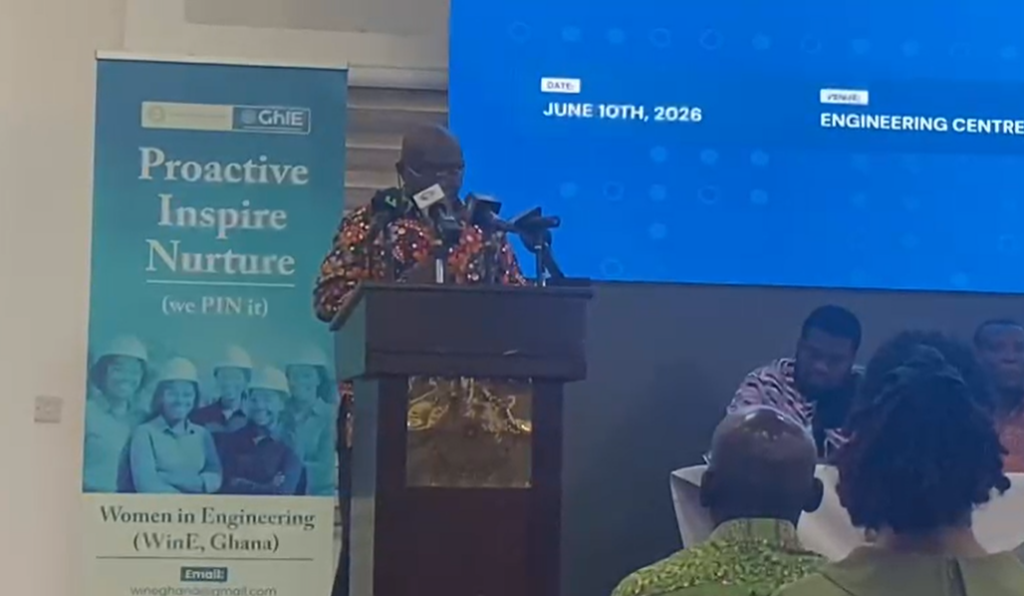
The Ghana Institution of Engineers (GhIE) has issued a stark warning over what it describes as deep-rooted regulatory failures and unsafe construction practices that continue to fuel building collapses across the country, following a deadly incident at the North Industrial Area in Accra that claimed three lives.
The three-storey building that collapsed in the capital has reignited national concern over construction standards, and GhIE officials say the tragedy was neither isolated nor unpredictable. According to Ing. Joshua Allotey, Chair of the Structures Sub-Division of the Institution, preliminary assessments point to a constellation of systemic failures — unauthorised structural modifications, changes in building use mid-construction, and the widespread involvement of unqualified persons in roles that demand professional expertise.
“In some cases, we observed what is commonly referred to as ‘pancake collapse,’ where a floor fails subsequently under its own weight and lands on the next floor,” Ing. Allotey explained during a media briefing. The phenomenon, he said, is a hallmark of structures that were never built to code in the first place.
A Culture of Circumvention
The picture GhIE paints is one of a construction sector where rules exist on paper but are routinely ignored in practice. Developers, Allotey said, frequently begin construction before formal building permits are secured. In other cases, they assume the role of project managers themselves, hiring artisans rather than licensed engineers and architects — a cost-cutting measure that trades short-term savings for catastrophic structural risk.
The problem is compounded by what GhIE describes as weak enforcement by the very state institutions charged with oversight. Inspection regimes are under-resourced, responses to violations are slow, and stop-work orders are routinely breached without consequence. “Enforcement by some state institutions remains weak, with insufficient inspection and delayed responses to violations,” Allotey said bluntly.
The criticism echoes concerns raised in recent months about urban infrastructure preparedness across Greater Accra. The Greater Accra Regional Security Council’s declaration of heightened readiness ahead of the peak rainy season underscored how vulnerable the region’s built environment remains to seasonal pressures — pressures that GhIE says expose rather than cause structural weaknesses.
Rain as Trigger, Not Cause
GhIE was careful to distinguish between environmental triggers and underlying structural deficiencies. While rainfall, rising groundwater levels, and strong winds frequently coincide with building collapses, the engineers stressed that these are not the root cause. Rather, such conditions act as catalysts that lay bare pre-existing flaws — particularly in poorly designed foundations that are compromised by seasonal groundwater changes.
The distinction matters because it shifts accountability squarely onto human decisions: the choice to cut corners, the failure to engage qualified professionals, and the reluctance of regulators to enforce the standards they are mandated to uphold.
A Prescription for Reform
In response to the pattern of failures, GhIE is calling for urgent structural reforms to Ghana’s construction oversight framework. Chief among its proposals is the introduction of mandatory stage-by-stage inspections — a system in which building projects are assessed at critical milestones rather than relying on a single final inspection that often comes too late to catch fundamental errors.
The Institution is also pushing for formal certification systems for artisans in the construction sector, recognising that the workforce carrying out much of Ghana’s building work operates without standardised training or accountability mechanisms.
These proposals, GhIE argues, would strengthen compliance, improve quality control, and significantly reduce the incidence of avoidable building failures. Whether regulators and lawmakers will act on the recommendations remains an open question — but the engineers say the cost of inaction is already being measured in lives lost.
Image Source: MYJOYONLINE